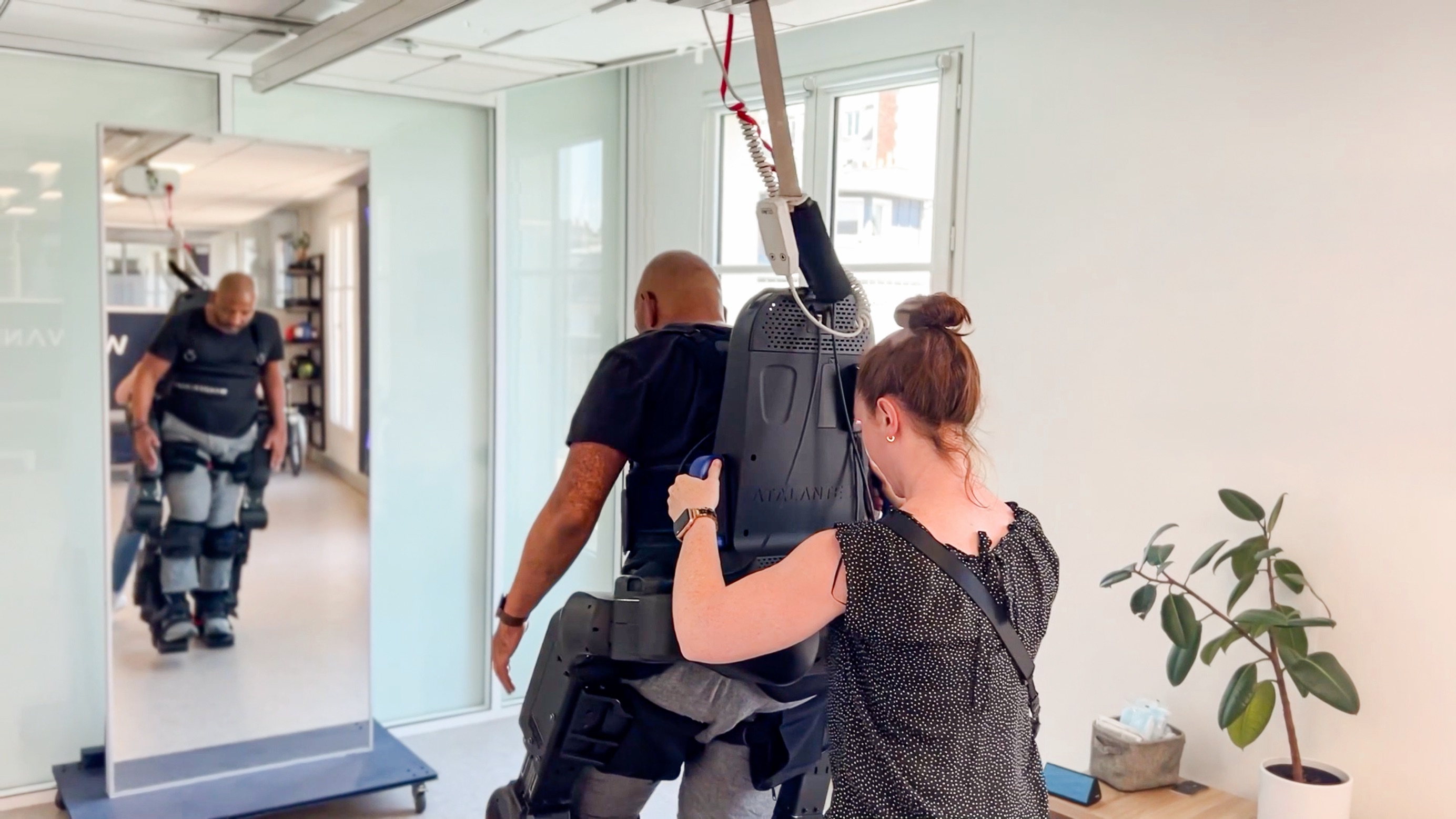

Un dispositif conçu pour les réalités de la rééducation.
Demandez une démo d’Atalante XAtalante X permet aux patients présentant des troubles de la marche plus ou moins sévères, y compris en cas d’atteinte des membres supérieurs ou de troubles cognitifs, de se lever et de se déplacer les mains libres. Grâce à sa technologie auto-équilibrée, Atalante X reproduit un schéma de marche physiologique pour prendre en charge des profils cliniques complexes.
Atalante X peut être utilisé pour la mobilisation précoce comme pour les affections chroniques. Il s’inscrit dans des programmes qui suivent les grands principes de la rééducation : mobilisation précoce, haute intensité, répétition, personnalisation et spécificité.

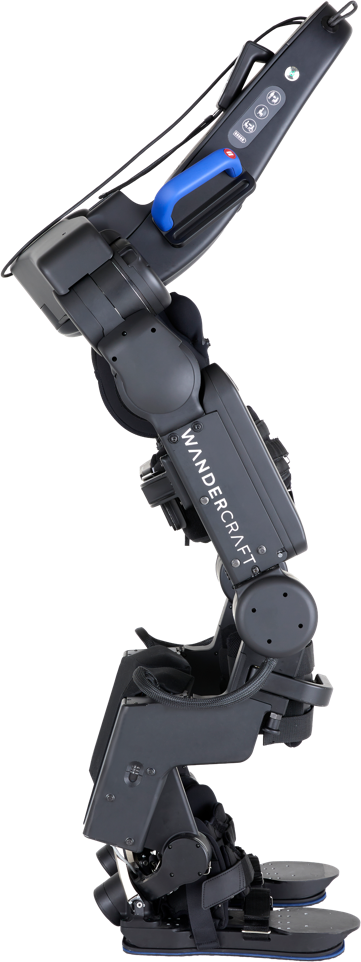
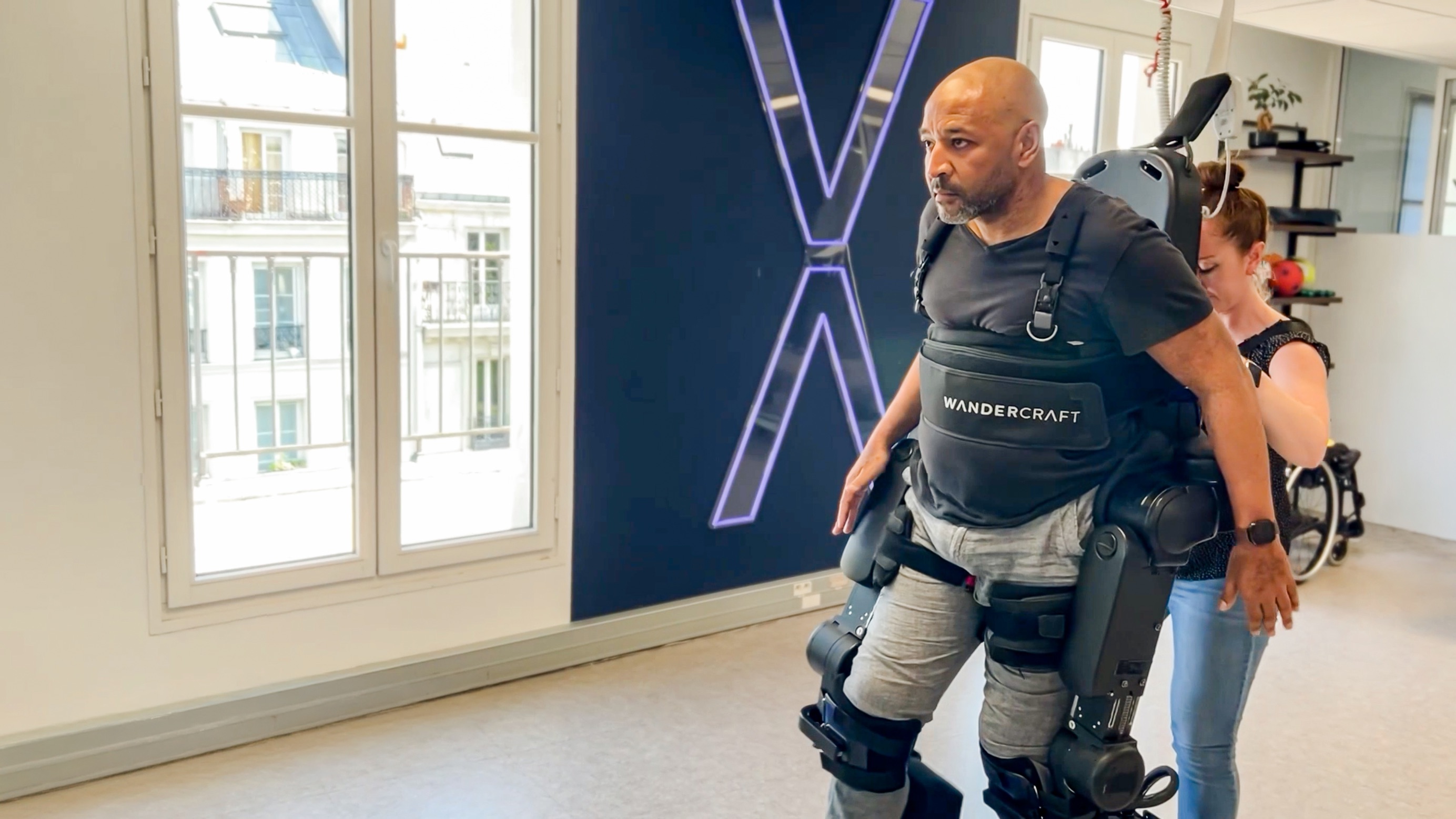
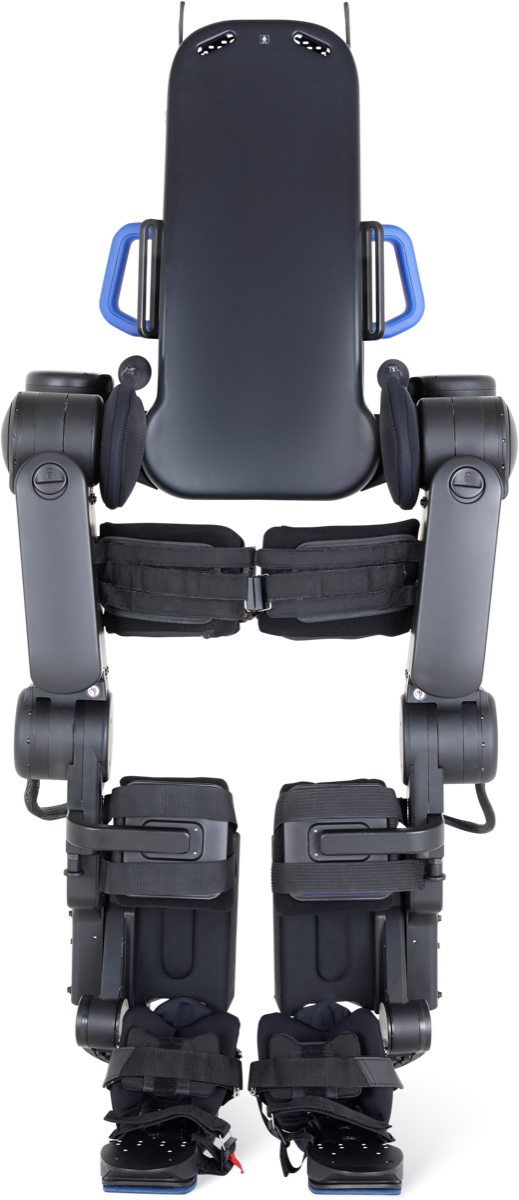
Atalante X est conçu pour les thérapeutes comme pour les patients. Il constitue un outil de rééducation quotidien, adapté à de multiples objectifs thérapeutiques et profils de patients.
S’ajuste aux objectifs thérapeutiques de chaque patient, de la prise en charge précoce à la rééducation au long cours.
Se stabilise de manière autonome pour que tous les patients, y compris ceux sans contrôle du tronc, puissent marcher en toute sécurité, pendant que les thérapeutes se consacrent au travail de rééducation.
Permet un entraînement à la marche au sol, intensif et répétable, tout en diminuant potentiellement la fatigue des soignants.
Suivez les paramètres de marche en temps réel et comparez les performances d’une séance à l’autre, pour une évaluation rapide et standardisée des progrès de vos patients.


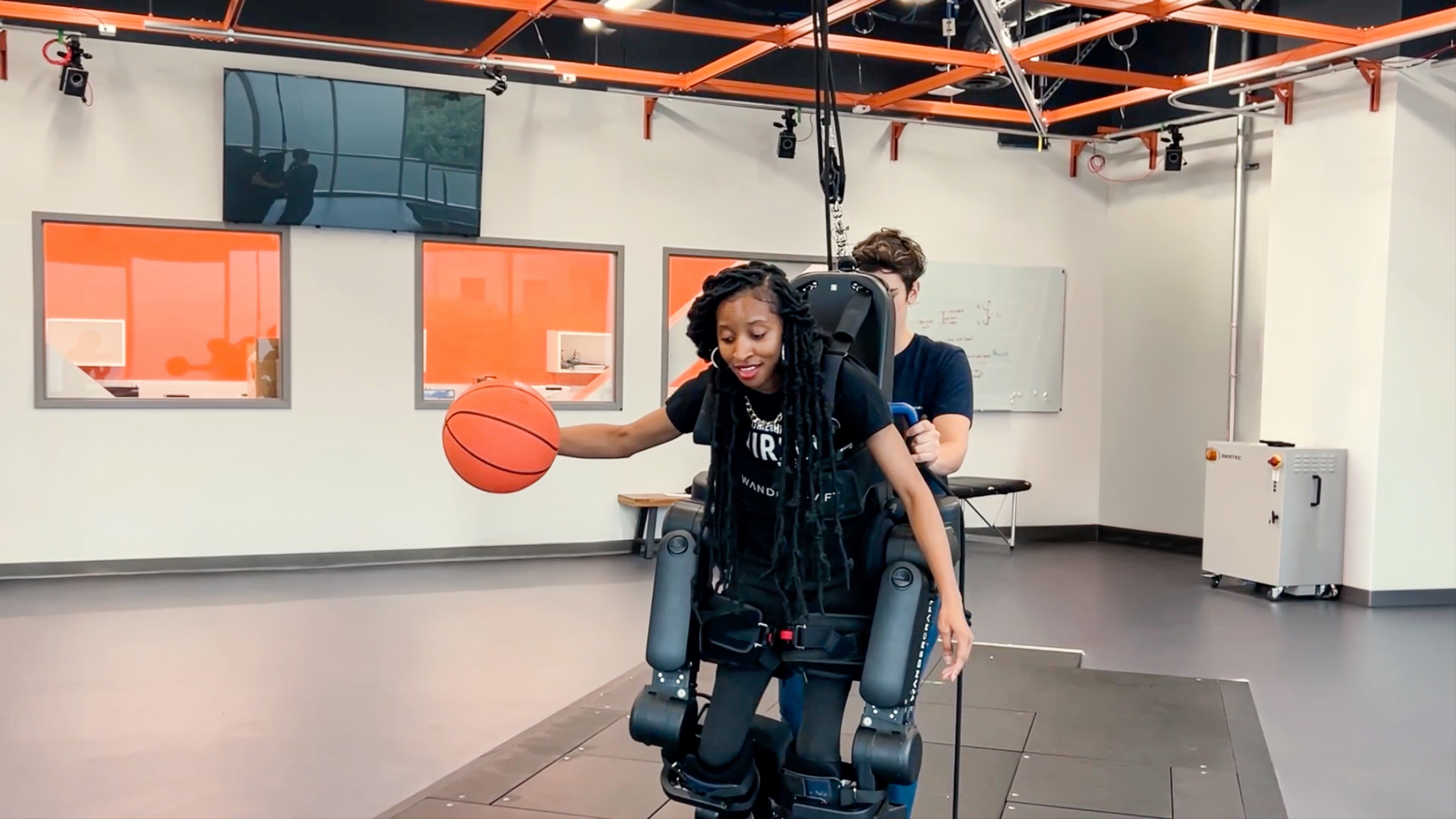


Atalante X est indiqué pour les patients adultes présentant une hémiplégie / hémiparésie, une paraplégie / paraparésie ou une tétraplégie / tétraparésie, quelle qu’en soit la cause.


Atalante X est indiqué pour les personnes présentant une hémiplégie consécutive à un accident vasculaire cérébral (AVC), une lésion médullaire (C4–L5) ou une sclérose en plaques (SEP).
L’appareil est destiné aux patients âgés de 18 ans et plus, capables de tolérer la station debout.

Les opérateurs doivent avoir suivi un programme de formation certifiant avant d’utiliser le dispositif.
Atalante X n’est pas destiné au sport ni à la montée d’escaliers.
Questions

Atalante X est un exosquelette de rééducation auto-équilibré et mains libres, pour la marche au sol. Il se stabilise de manière autonome, de sorte que tous les patients, y compris ceux sans contrôle du tronc, peuvent se lever et marcher sans béquilles ni déambulateur, pendant que les thérapeutes se consacrent au travail de rééducation. Il compte 12 moteurs, dont une cheville articulée, et reproduit un schéma de marche physiologique. Il peut être utilisé pour la mobilisation précoce comme pour les affections chroniques.
Atalante X a reçu trois autorisations de la FDA : pour la rééducation après un AVC en décembre 2022, pour les lésions médullaires de niveau T5 à L5 en février 2024, et pour les lésions médullaires de niveau C4 à L5 ainsi que pour la sclérose en plaques en novembre 2025. Il est marqué CE en Europe, avec une certification étendue en août 2025 couvrant un plus large éventail de pathologies neurologiques, dont la tétraplégie. Il est inscrit au Registre australien des produits thérapeutiques en tant que dispositif de classe IIa, et a été autorisé par l’ARCSA en Équateur en juillet 2026.
Les séances consistent en un entraînement à la marche au sol : pas répétés, transferts de poids, demi-tours et déplacements multidirectionnels, à la dose et à l’intensité prévues par votre protocole. L’assistance peut être réglée de manière asymétrique et articulation par articulation, afin d’être adaptée aux objectifs thérapeutiques de chaque patient. L’installation dans l’appareil se fait en position assise — une étude publiée portant sur des patients post-AVC a rapporté un temps moyen d’installation de 6 minutes 43 secondes et de retrait de 1 minute 32 secondes. Les paramètres de marche sont suivis en temps réel, pour une récupération guidée par les données, et la batterie permet une utilisation toute la journée avec un changement de batterie.
Les opérateurs doivent avoir suivi un programme de formation certifiant avant d’utiliser le dispositif, et Atalante X s’utilise sous la supervision de professionnels de santé formés pendant toute la durée de chaque séance. Le calendrier et la durée sont définis avec notre équipe — posez la question lorsque vous demandez une démo.
Atalante X n’est pas destiné au sport ni à la montée d’escaliers. C’est un dispositif de rééducation destiné aux établissements de santé, utilisé sous la supervision de personnels formés ; ce n’est pas un dispositif personnel à usage domestique. Notre exosquelette personnel pour le domicile est Eve, un dispositif distinct, avec sa propre autorisation et sa propre indication.

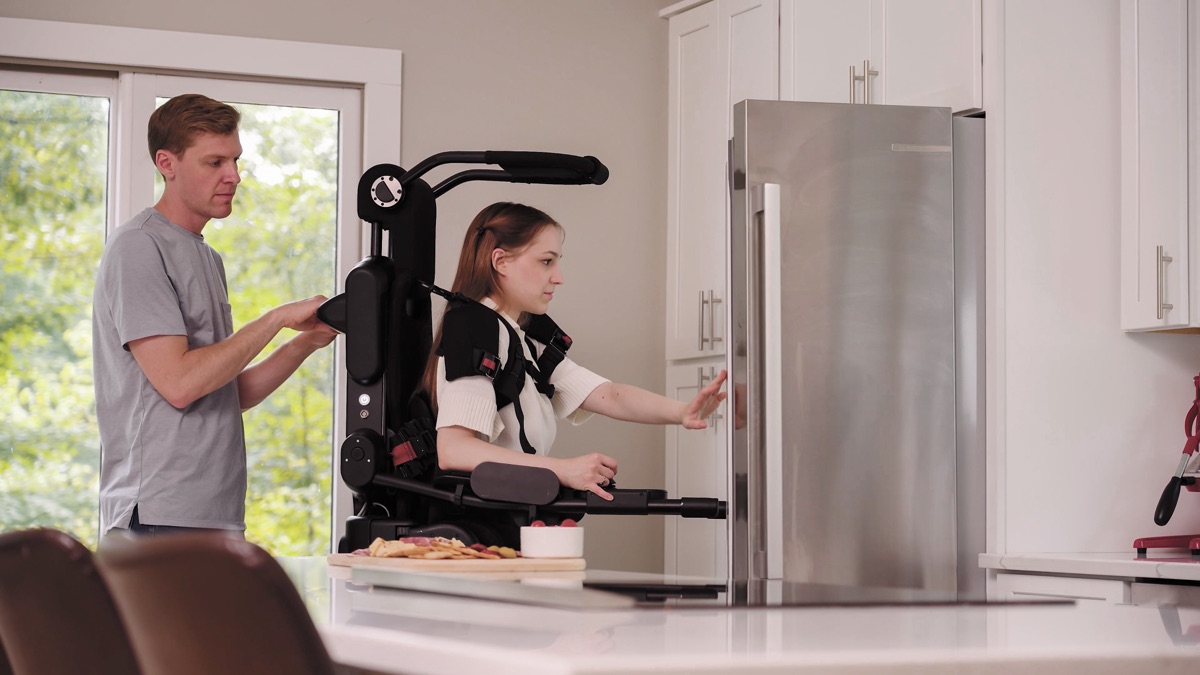
Apporte la liberté de la marche dans votre quotidien : à domicile, en toute autonomie, mains libres.
Ekso Bionics rejoint Wandercraft : deux pionniers s’unissent pour faire progresser et élargir la locomotion robotique
Lire le communiqué de presse