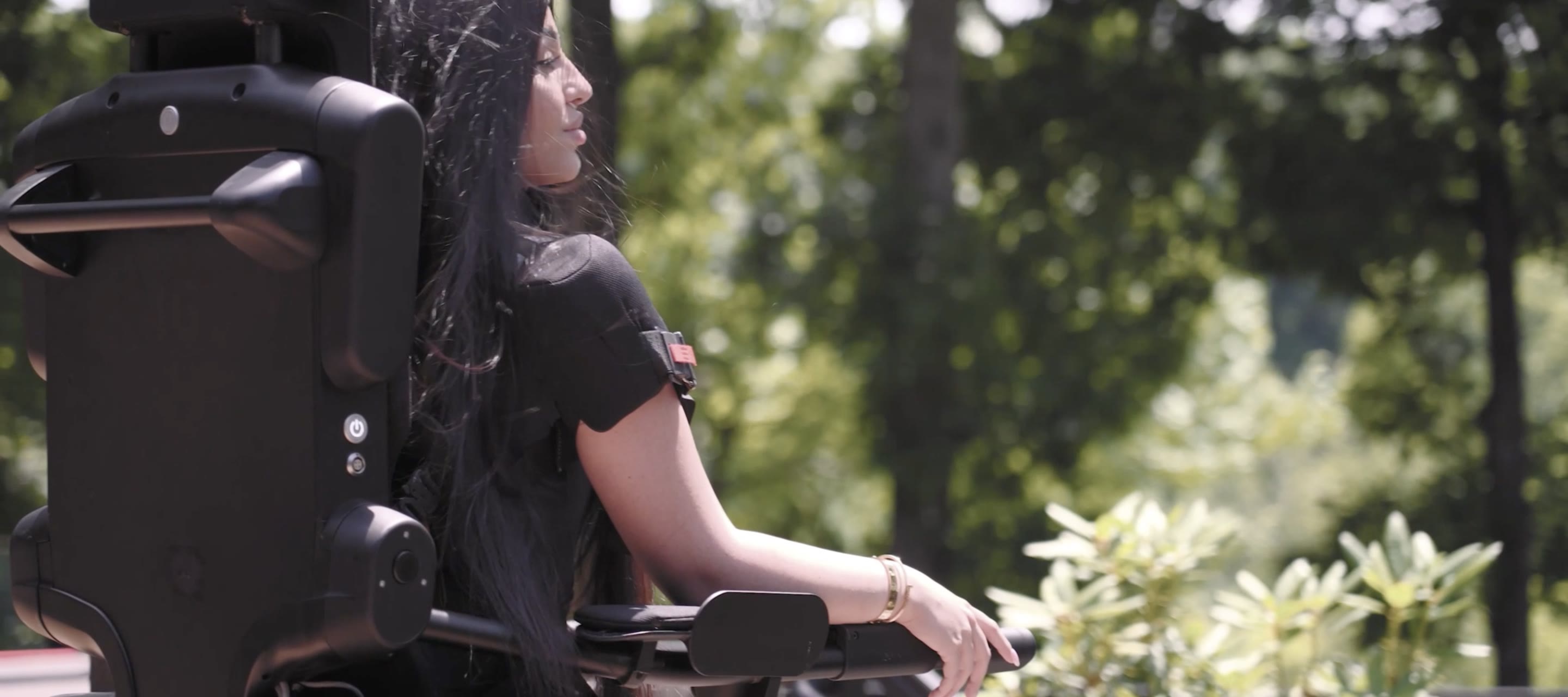
Robotics built so people can do what they can't
It started with a question a young engineer could not put down. In robotics club at university, Nicolas Simon watched a machine learn to walk and thought of his brother, who was losing that ability. If a robot can walk, why can't we build one that walks for him?
Wandercraft was founded in Paris in 2012 to answer it, and the answer took a decade of engineering: an exoskeleton that balances itself, so the person inside doesn't have to. In 2019 Atalante became the first self-balancing walking exoskeleton to earn a CE mark in Europe.
That same technology now carries people through rehabilitation at more than 150 clinical and research sites, is moving out of the clinic and into the home with Eve, and stands inside Calvin, our family of humanoid robots built for the heaviest work in industry. Three products, two markets, one conviction — robotics should help people do what they can't.
The same self-balancing technology at three scales — from a clinical exoskeleton to a humanoid built for the factory floor.
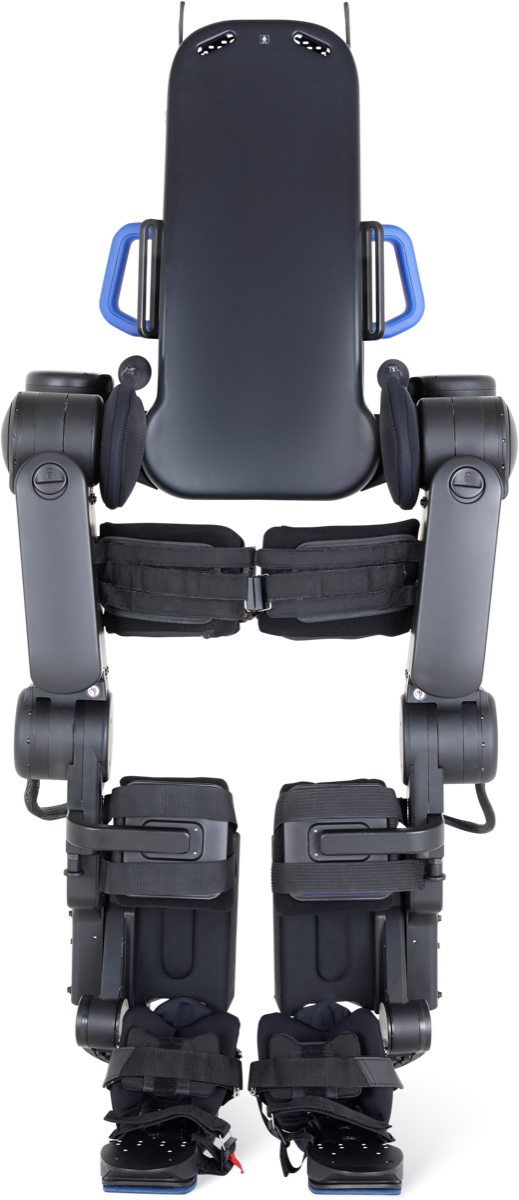
Our clinical exoskeleton, walking patients hands-free in rehabilitation, without crutches.
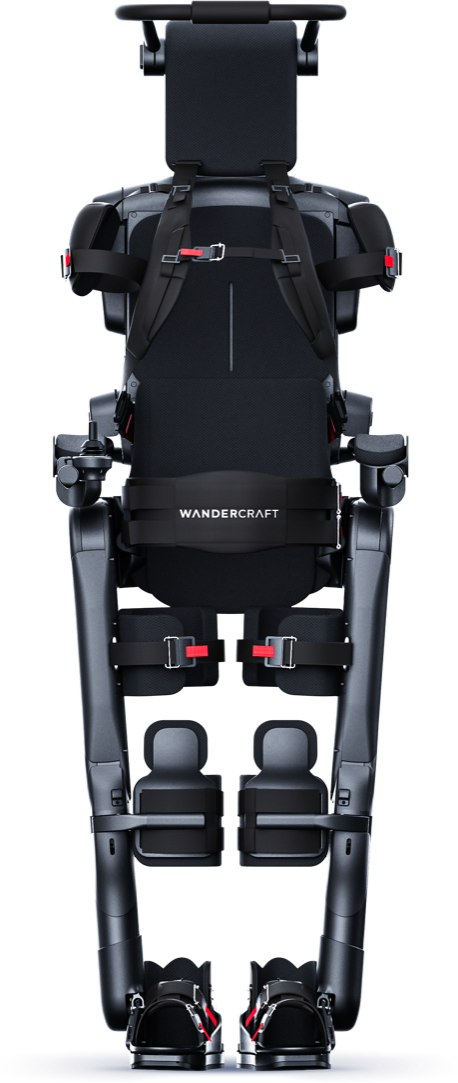
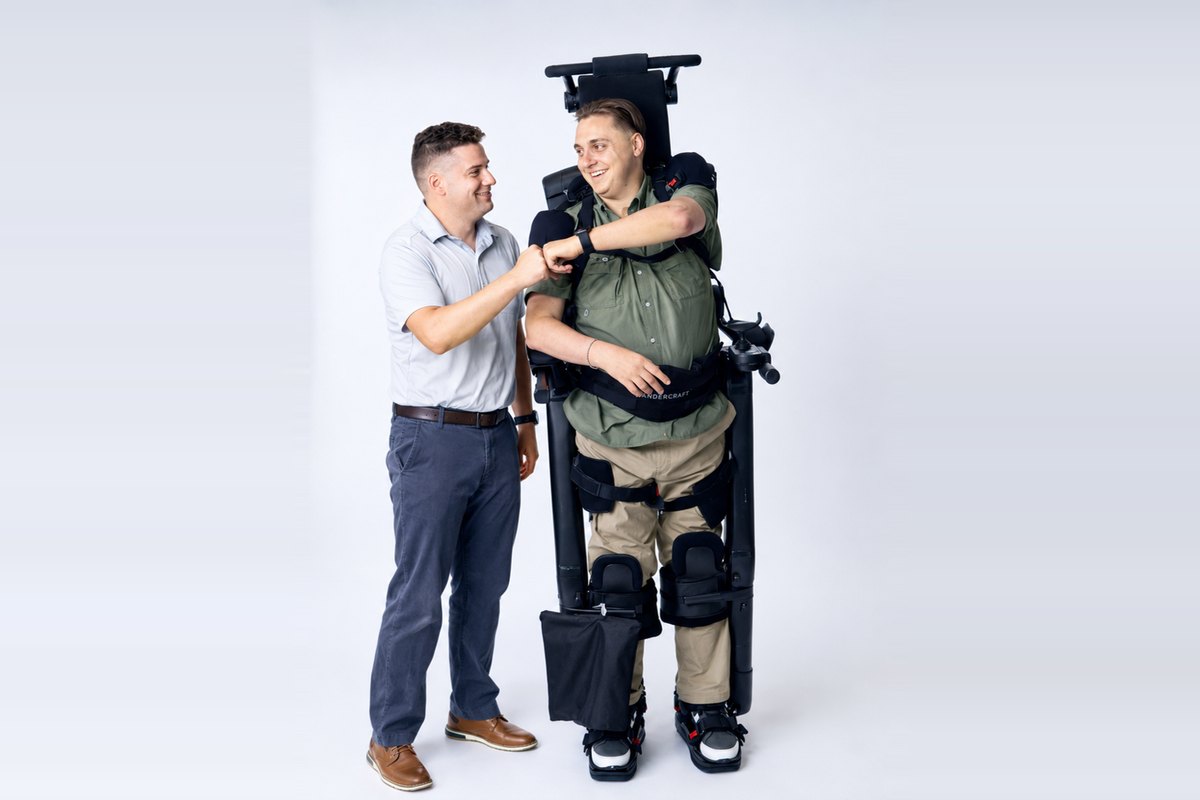
Our personal exoskeleton, built to leave the clinic and go home with the person who walks in it.
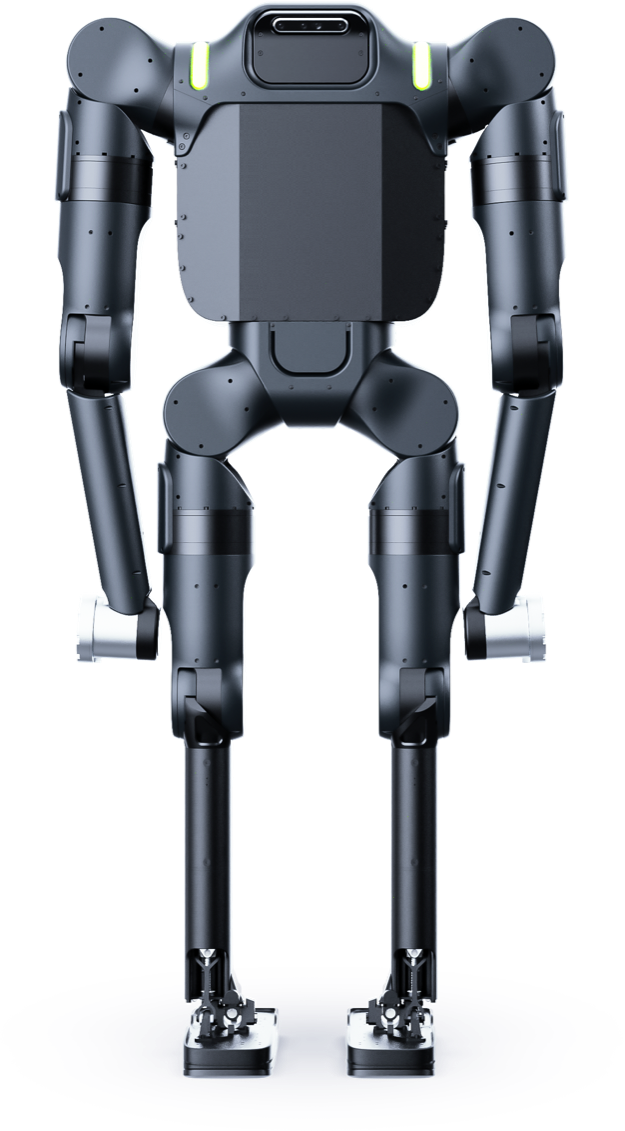
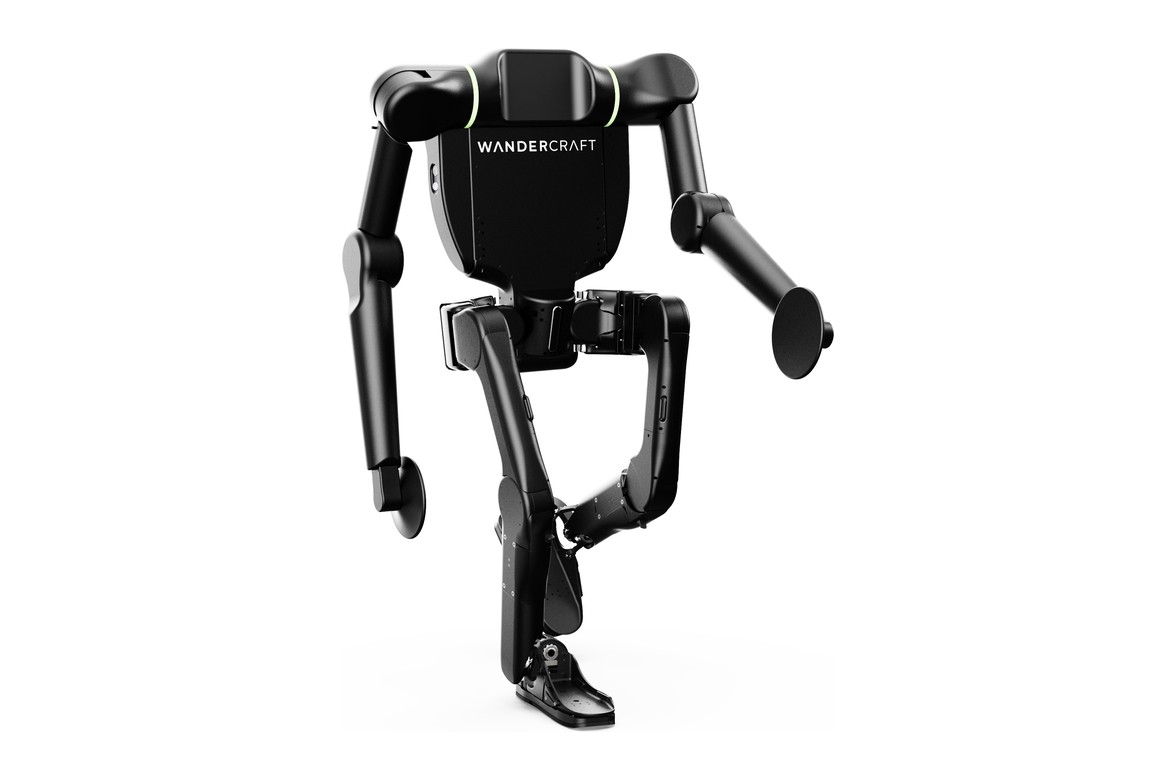
Our humanoid robot, built for the heaviest and most repetitive work on an industrial floor.
Fourteen years, three robots and one idea that refused to go away. Scroll sideways to follow it.
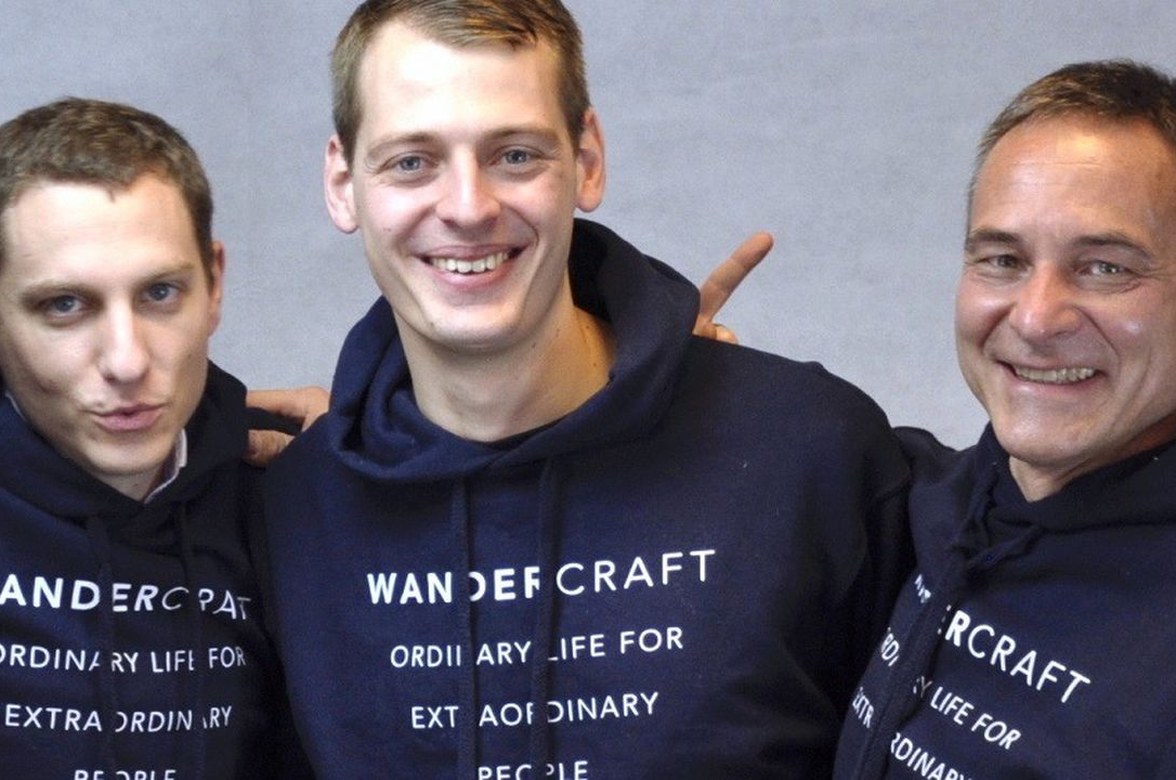
Nicolas Simon, Matthieu Masselin and Jean-Louis Constanza start Wandercraft in Paris — driven by a brother and a son who were losing the ability to walk.
The world's first clinical trials with our prototypes show that people with paraplegia can walk hands-free, without crutches.
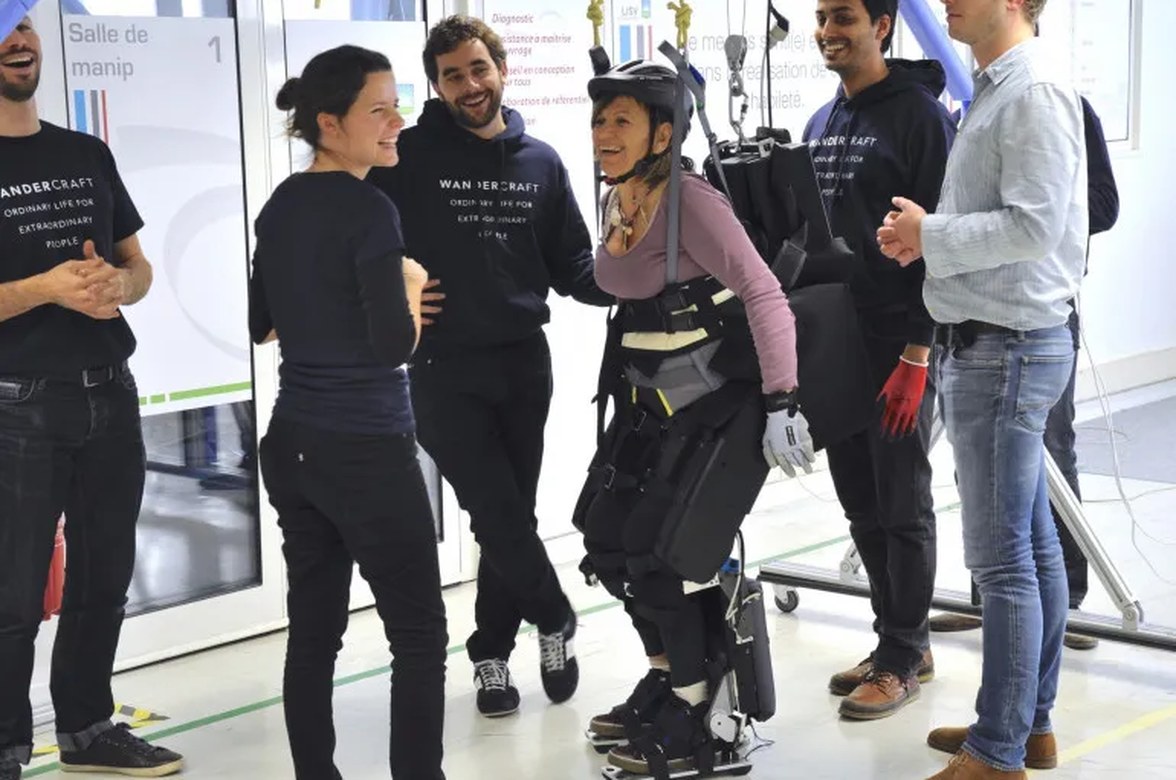
The world's first self-balancing exoskeleton is approved in Europe, walking its first patients in rehabilitation clinics.

Atalante is cleared by the FDA for stroke rehabilitation, opening the door to American clinics — and to US operations the following year.

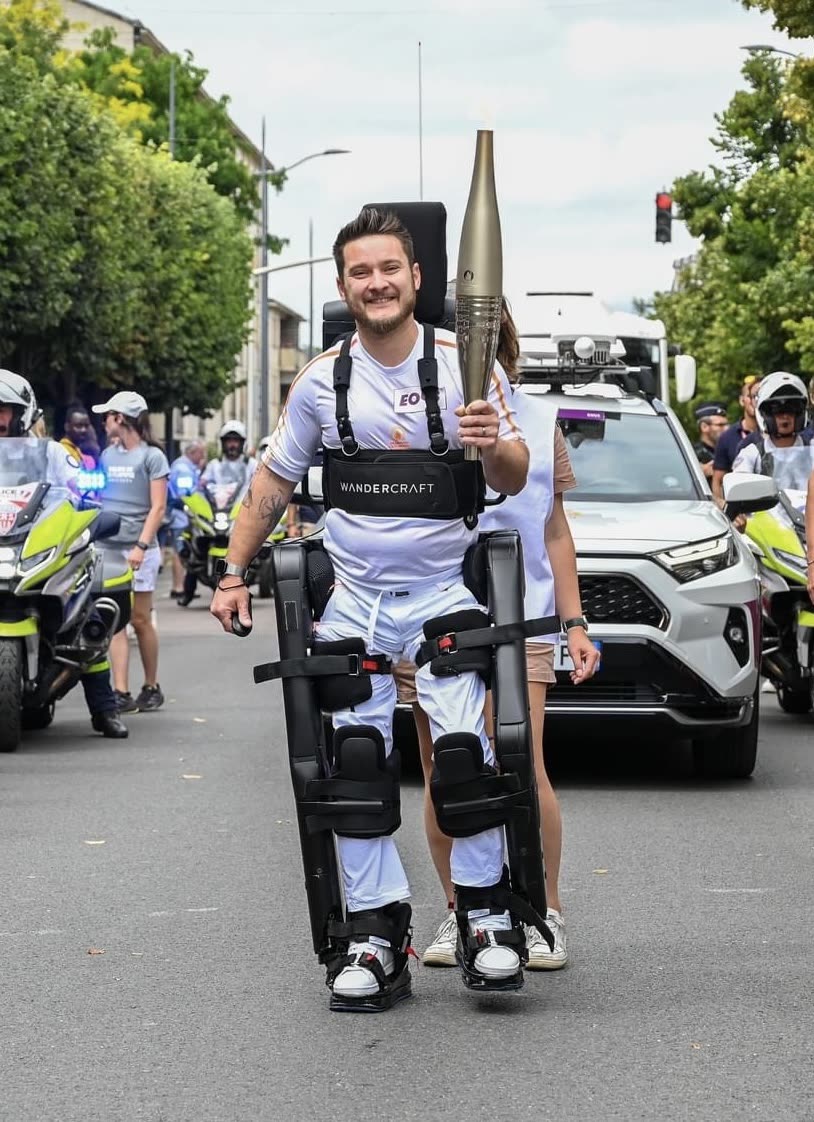
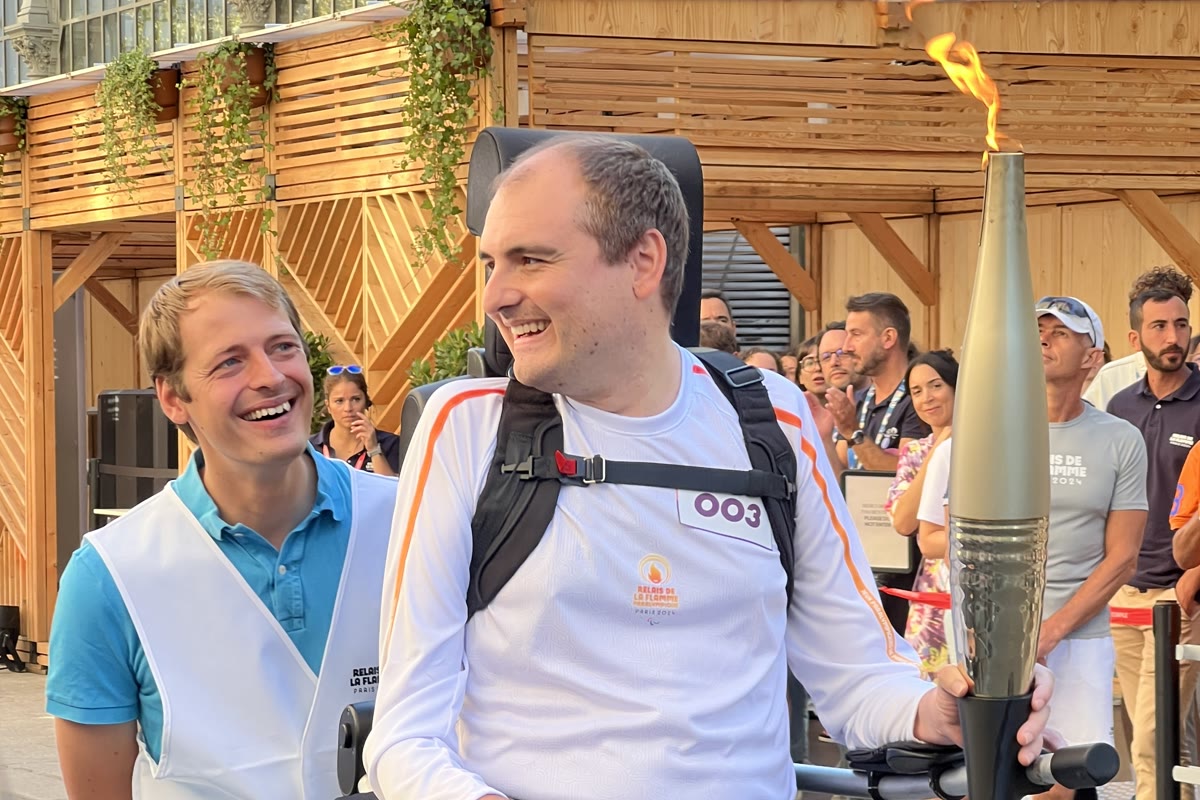
At Paris 2024, our exoskeletons carry the Olympic and Paralympic torches — including Thibault Simon, the brother whose story started it all.
Our self-balancing personal exoskeleton enters trials with people living with spinal cord injury, at the Bronx VA and Kessler.

Renault Group takes a stake and joins us as an industrial partner, alongside a Series D round to scale production worldwide.

Built on more than a decade of exoskeleton engineering, the first Calvin prototype takes shape in 40 days. Calvin-40 is revealed with Renault Group as its first customer.
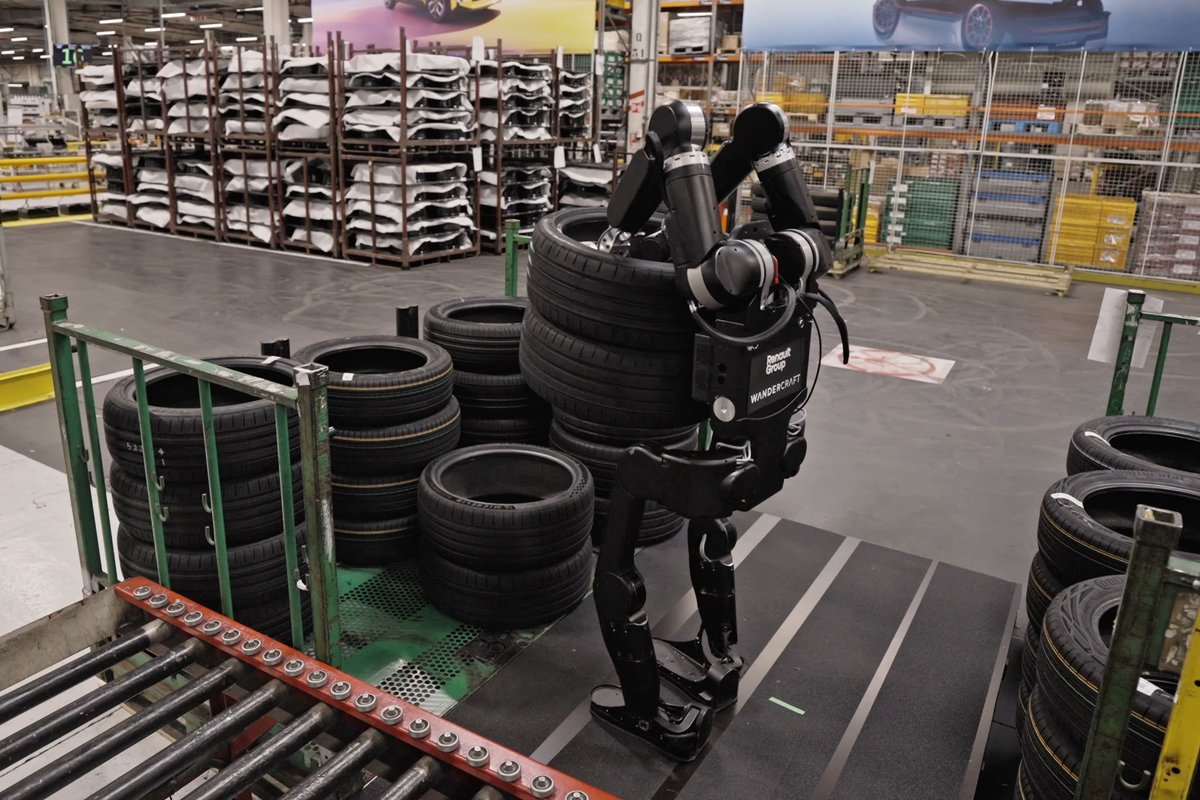
Calvin-40 is running on the line at Renault's Douai plant, with a fleet of 350 robots committed by 2027.
Eve becomes the first self-balancing personal exoskeleton cleared for use at home by people living with spinal cord injury.
175+ world-class AI, robotics and industrial experts, working from our dual headquarters in Paris and New York.

















We're not just hiring people. We're building a team of pioneers, curious minds and problem solvers who want to change the world, step by step.
Apply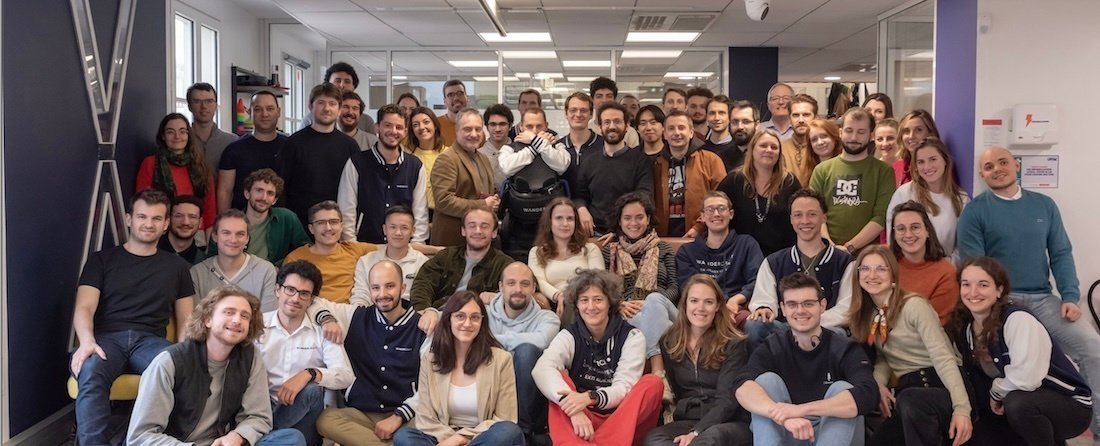
Our Paris office has its own walk center, another is in New York City, and more are opening across the US. Users train in the building every day, so nobody here has to imagine who the work is for.
Whole-body control, embedded AI, certifiable safety, robots that carry people and robots that carry payloads — and a production line waiting on the answer.
Our in-house Expert Track lets engineers go deeper in a specialty instead of managing their way up. Seniority here is not only a headcount.
Paris and New York, held together on purpose: company-wide events every year, and well-being commitments we actually write down.
Come and shape the next generation of medical and humanoid robotics, powered by AI and purpose.



Ekso Bionics joins Wandercraft, uniting two pioneers to advance and expand robotic mobility
Read the announcement