Une robotique conçue pour permettre à chacun d’accomplir ce qu’il ne pouvait pas faire
Tout a commencé par une question qu’un jeune ingénieur n’arrivait pas à laisser de côté. Au club de robotique de l’École polytechnique, Nicolas Simon a vu une machine apprendre à marcher et a pensé à son frère, qui était en train de perdre cette capacité. Si un robot peut marcher, pourquoi ne pas en construire un qui marche pour lui ?
Wandercraft a été fondée à Paris en 2012 pour y répondre, et la réponse a demandé dix ans d’ingénierie : un exosquelette qui s’équilibre lui-même, pour que la personne qui le porte n’ait pas à le faire. En 2019, Atalante est devenu le premier exosquelette de marche auto-équilibré à obtenir le marquage CE en Europe.
Cette même technologie accompagne aujourd’hui la rééducation dans plus de 150 centres cliniques et de recherche, sort du centre de rééducation pour entrer au domicile avec Eve, et se retrouve au cœur de Calvin, notre famille de robots humanoïdes conçus pour les travaux les plus lourds de l’industrie. Trois produits, deux marchés, une conviction : la robotique doit permettre à chacun d’accomplir ce qu’il ne pouvait pas faire.
La même technologie auto-équilibrée à trois échelles — de l’exosquelette clinique à l’humanoïde conçu pour l’usine.
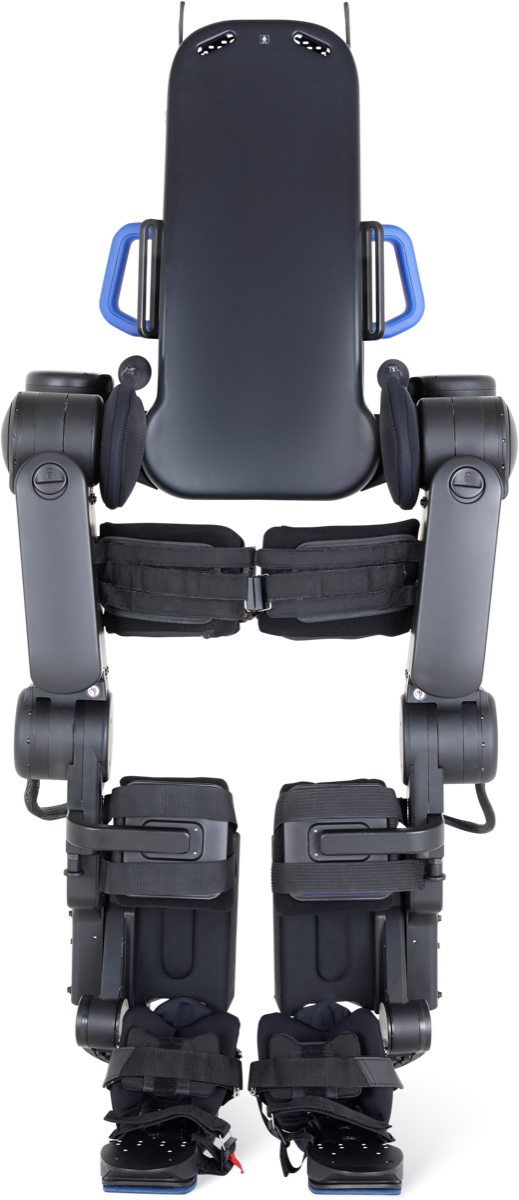
Notre exosquelette clinique, qui fait marcher les patients en rééducation, les mains libres et sans béquilles.
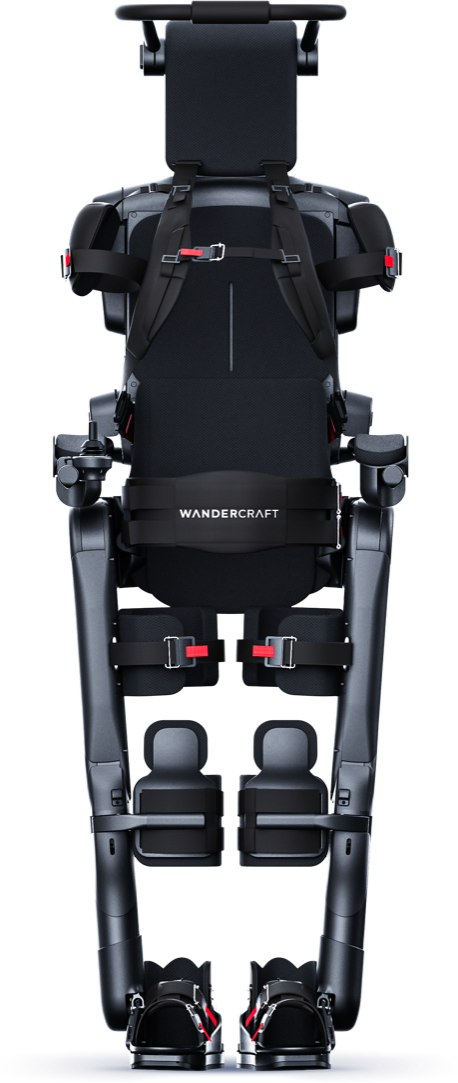
Notre exosquelette personnel, conçu pour quitter le centre de rééducation et suivre à domicile la personne qui marche avec lui.
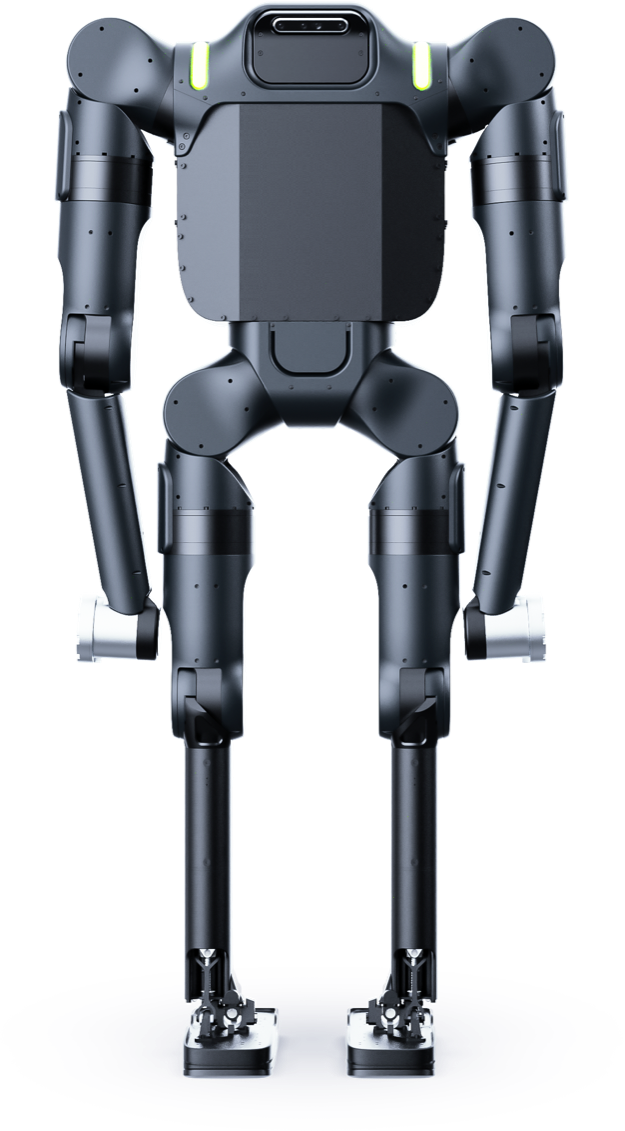
Notre robot humanoïde, conçu pour les tâches les plus lourdes et les plus répétitives en milieu industriel.
Quatorze ans, trois robots et une idée qui ne nous a jamais quittés. Faites défiler vers la droite pour la suivre.
Nicolas Simon, Matthieu Masselin et Jean-Louis Constanza fondent Wandercraft à Paris — portés par un frère et un fils qui perdaient l’usage de la marche.
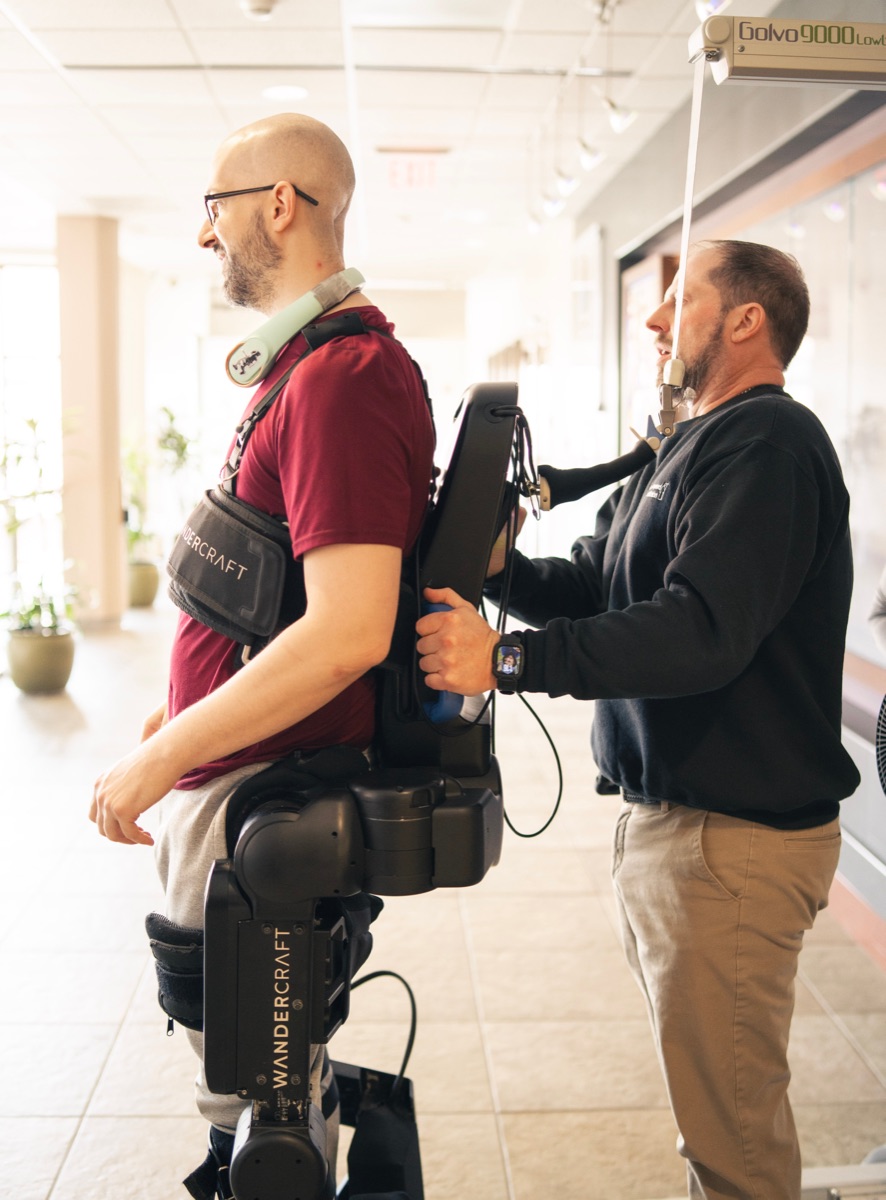
Les premiers essais cliniques au monde menés avec nos prototypes montrent que des personnes atteintes de paraplégie peuvent marcher les mains libres, sans béquilles.
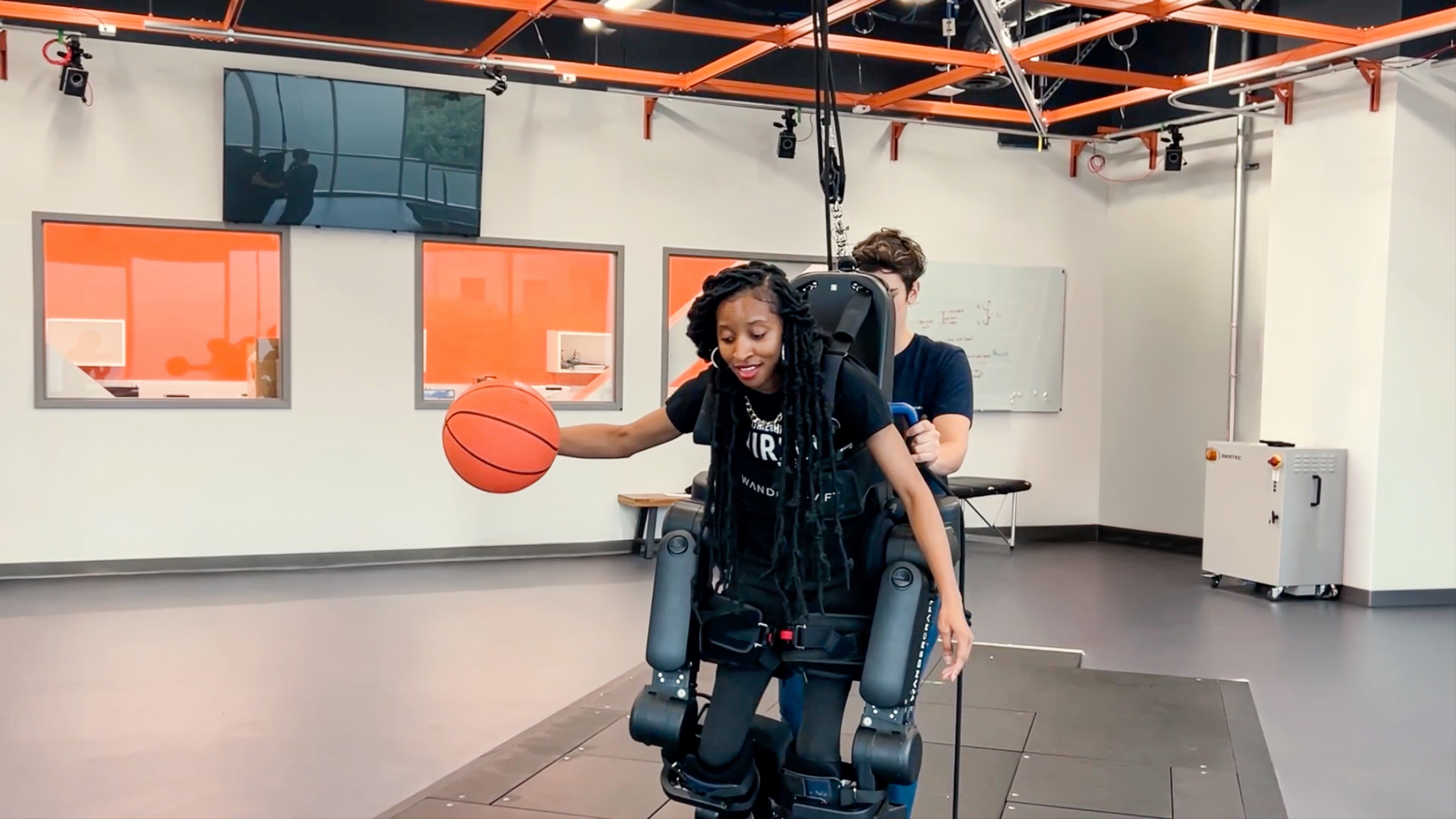
Le premier exosquelette auto-équilibré au monde est approuvé en Europe et fait marcher ses premiers patients en centre de rééducation.
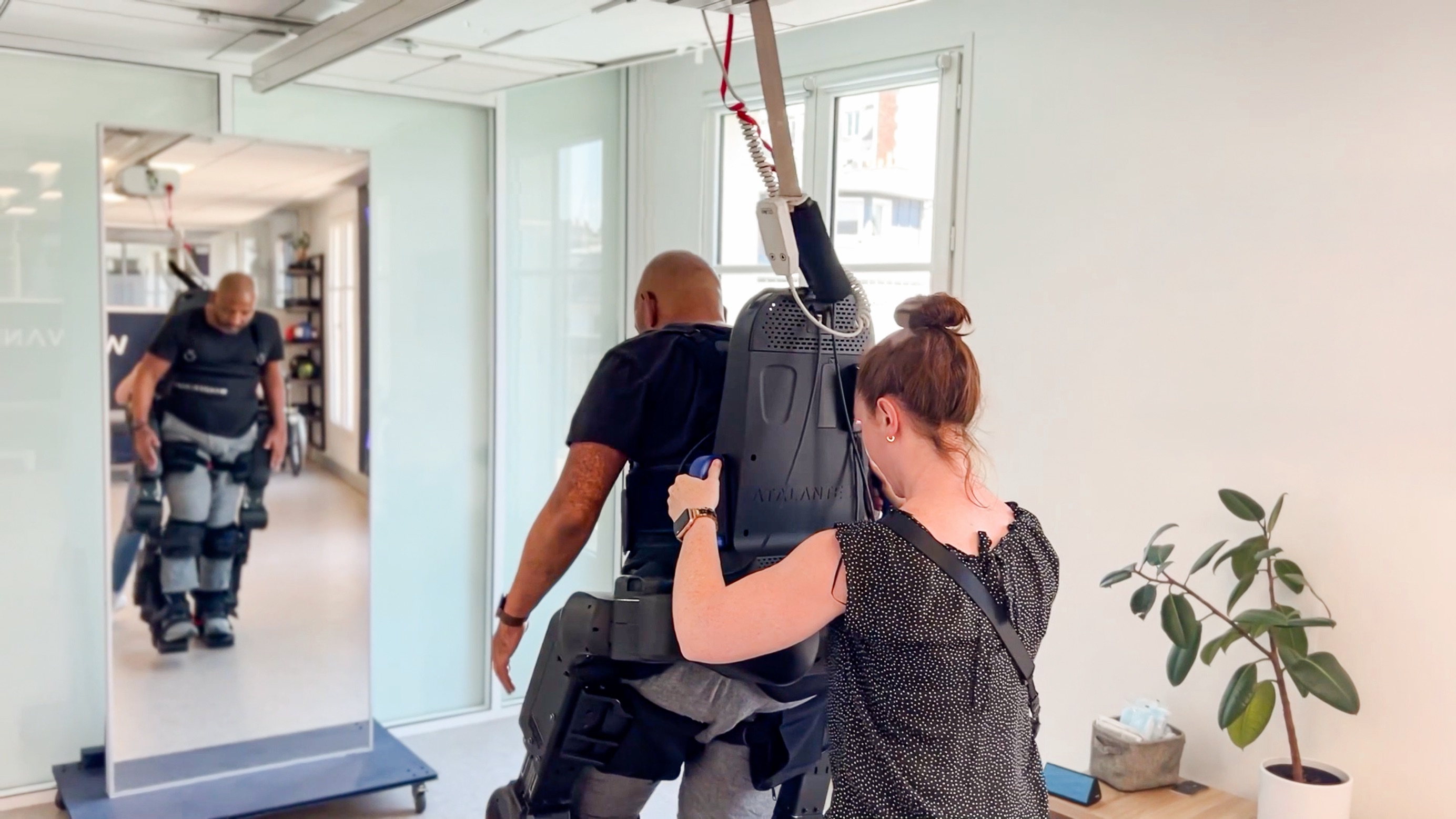
Atalante reçoit l’autorisation de la FDA pour la rééducation après un accident vasculaire cérébral (AVC), ce qui ouvre la porte aux cliniques américaines — et, l’année suivante, à nos activités aux États-Unis.
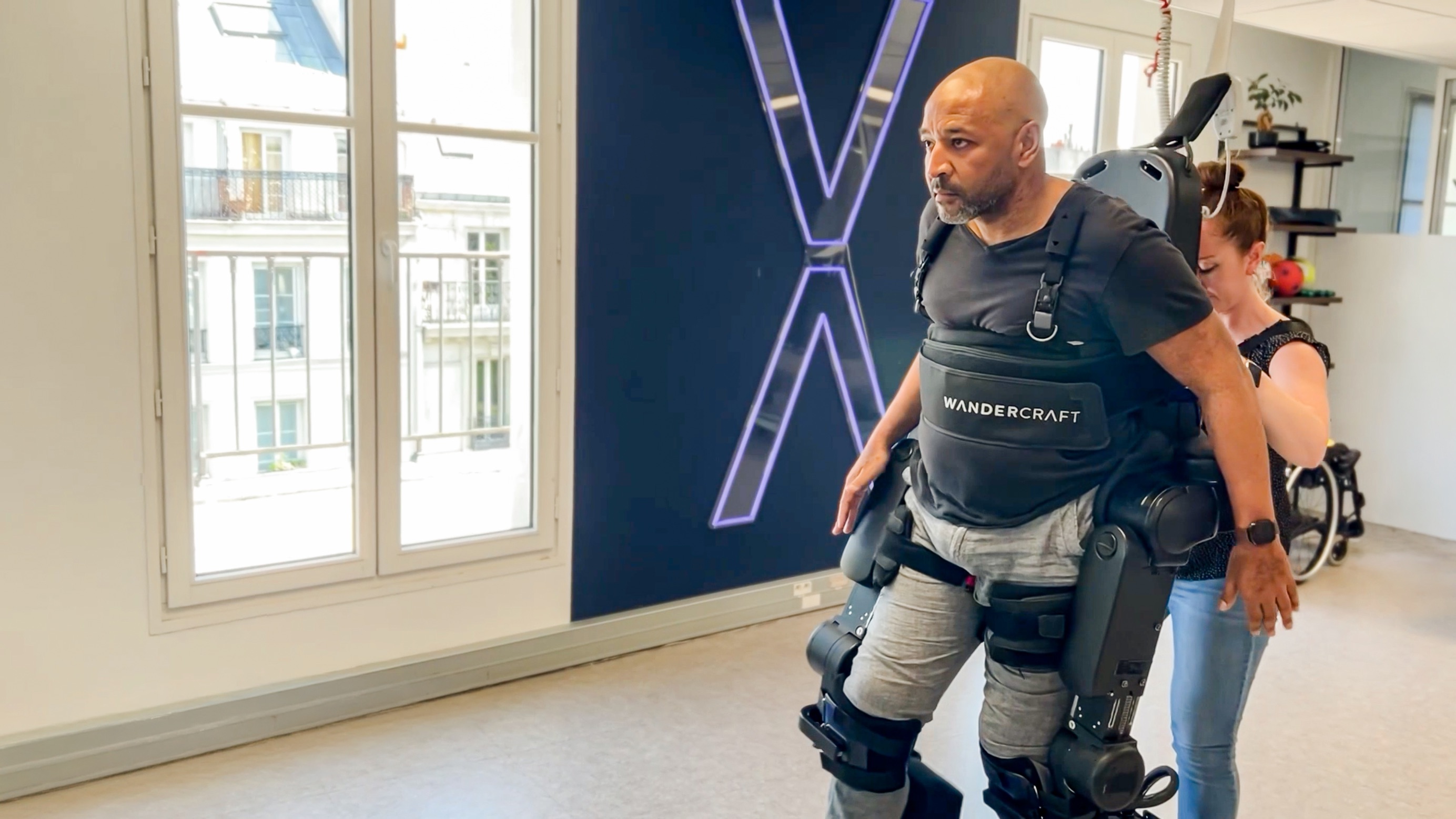
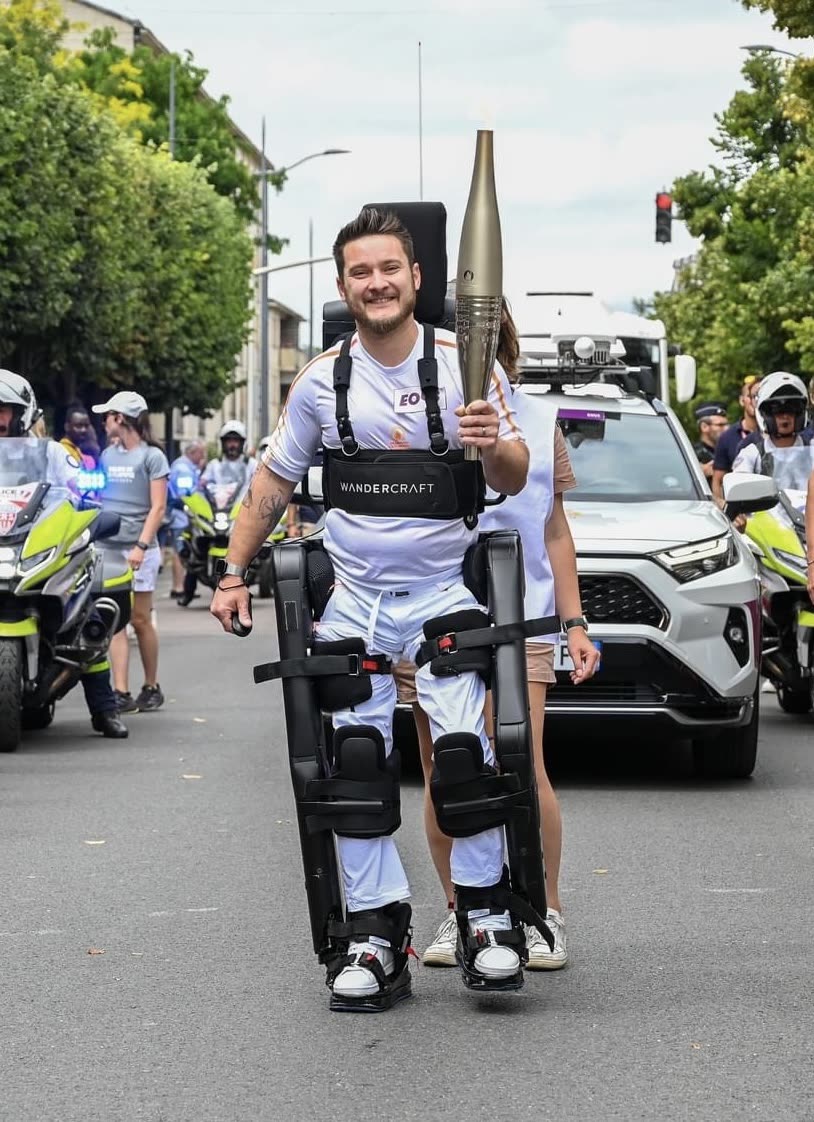
Lors de Paris 2024, nos exosquelettes portent la flamme olympique et la flamme paralympique — avec, parmi les porteurs, Thibault Simon, le frère par qui tout a commencé.
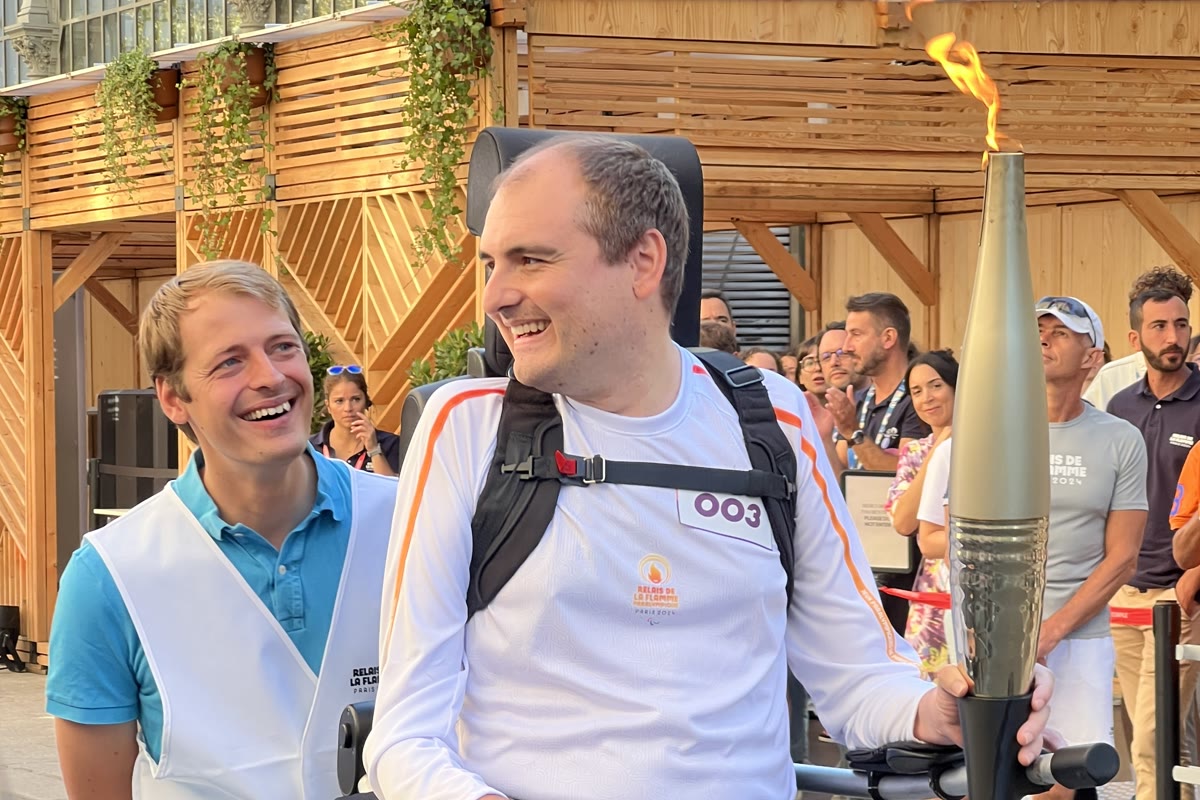
Notre exosquelette personnel auto-équilibré entre en essais avec des personnes présentant une lésion médullaire, au Bronx VA et à Kessler.
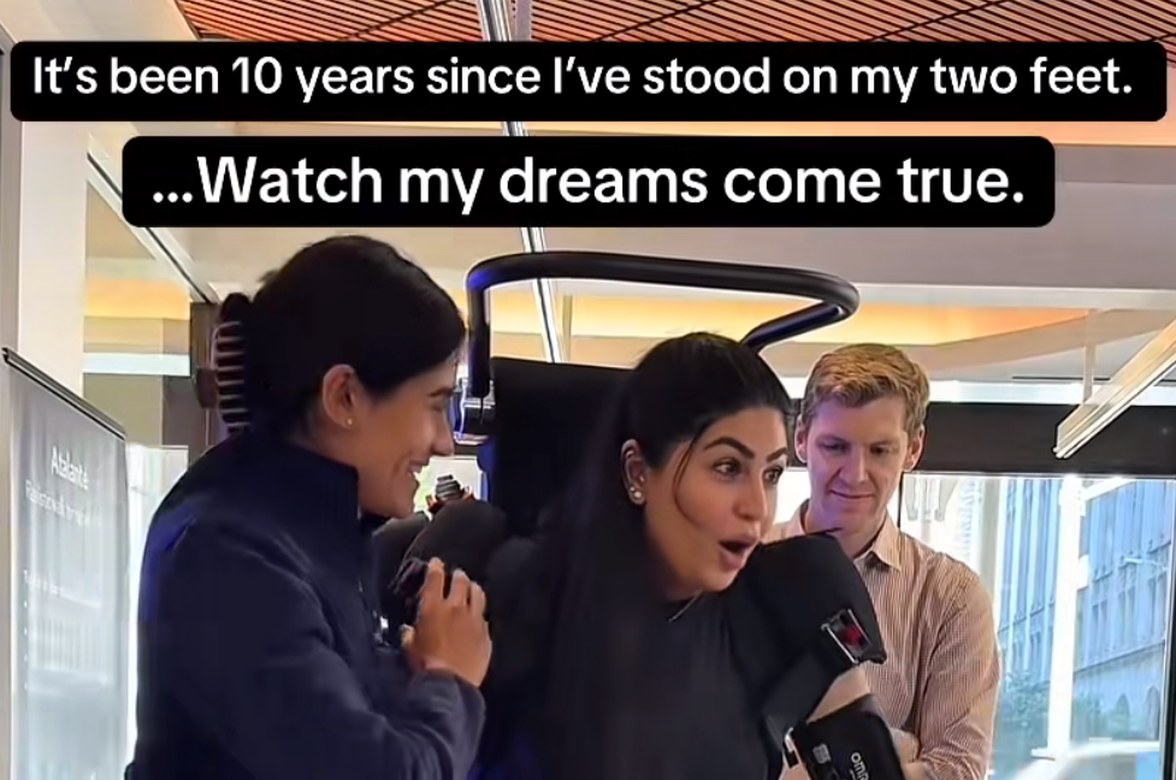
Renault Group entre à notre capital et devient notre partenaire industriel, aux côtés d’une levée en série D destinée à industrialiser la production à l’échelle mondiale.
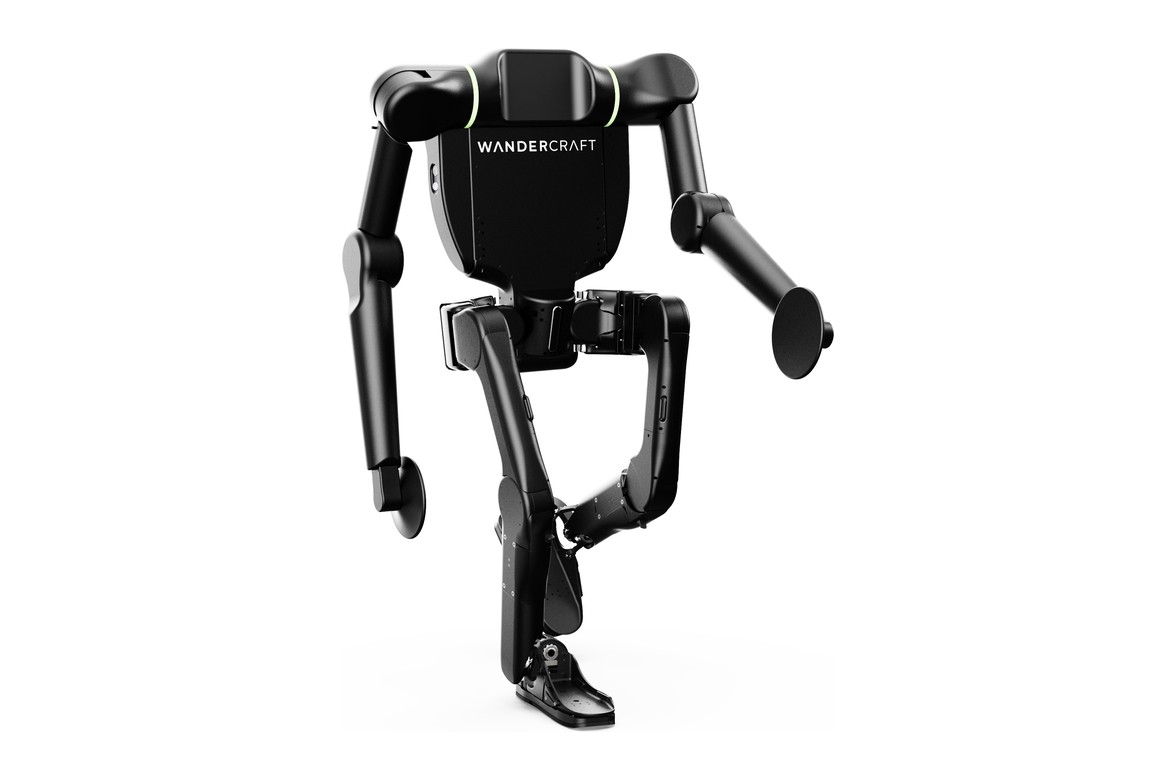
Fort de plus de dix ans d’ingénierie des exosquelettes, le premier prototype Calvin prend forme en 40 jours. Calvin-40 est dévoilé avec Renault Group comme premier client.
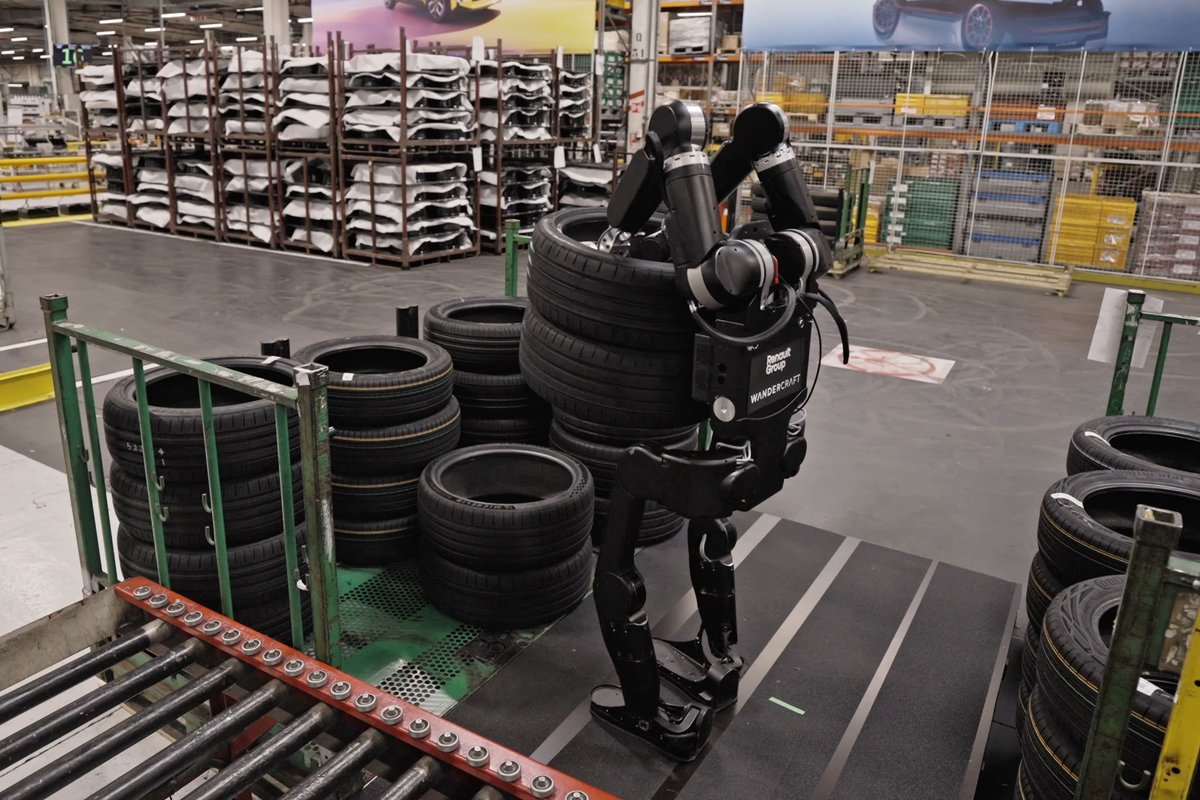
Calvin-40 travaille sur la ligne de l’usine Renault de Douai, avec une flotte de 350 robots engagée d’ici 2027.
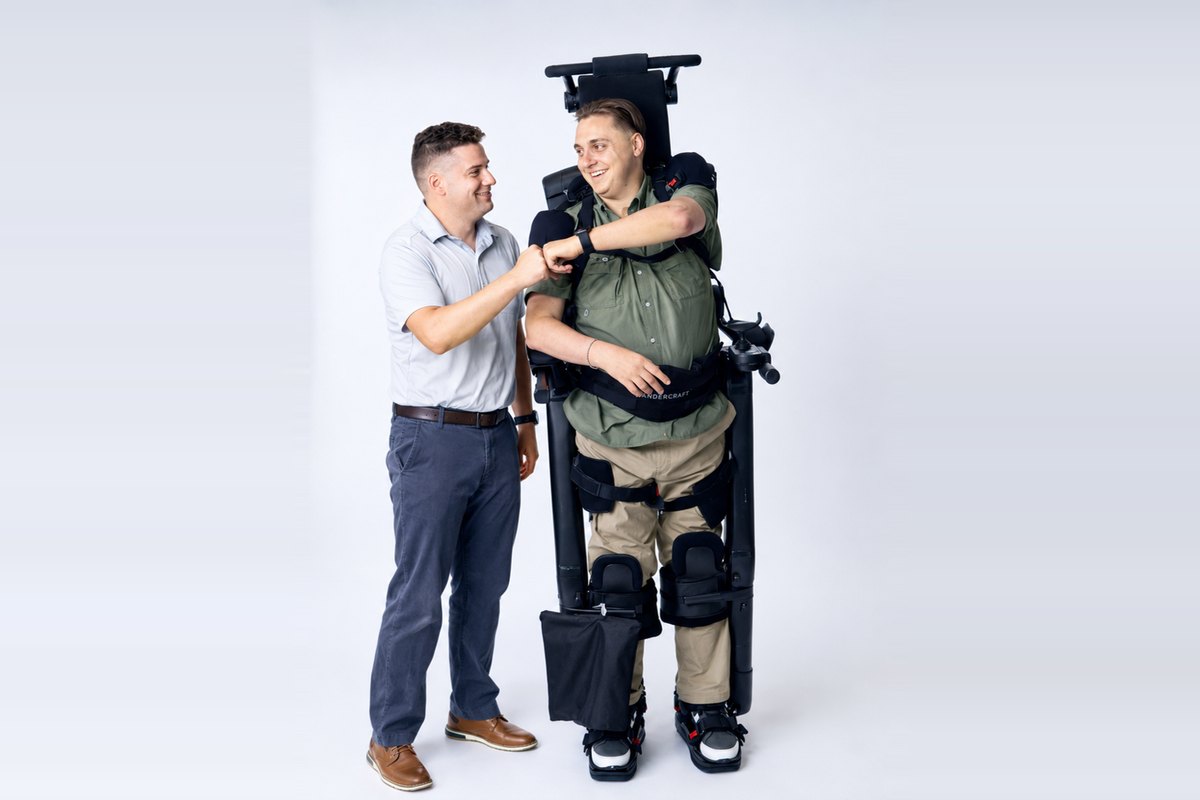
Eve devient le premier exosquelette personnel auto-équilibré autorisé pour une utilisation à domicile par des personnes présentant une lésion médullaire.
Plus de 175 experts de premier plan en IA, en robotique et dans l’industrie, qui travaillent depuis nos deux sièges, à Paris et à New York.












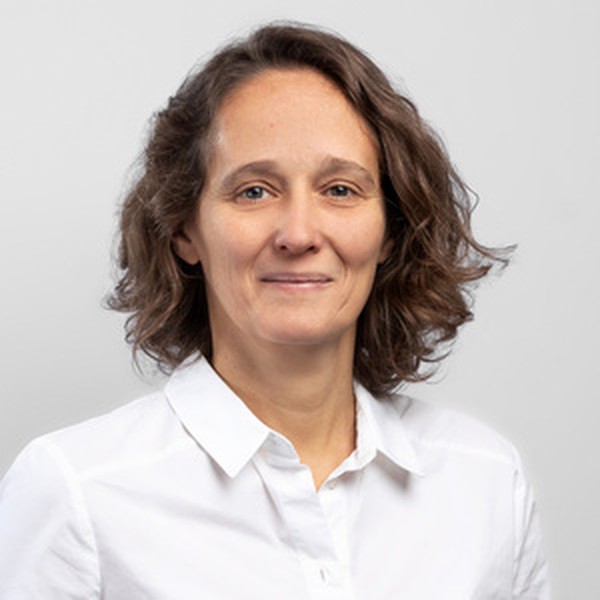
Nous ne faisons pas que recruter. Nous construisons une équipe de pionniers, d’esprits curieux et de personnes qui aiment résoudre des problèmes, et qui veulent changer le monde, pas à pas.
Postuler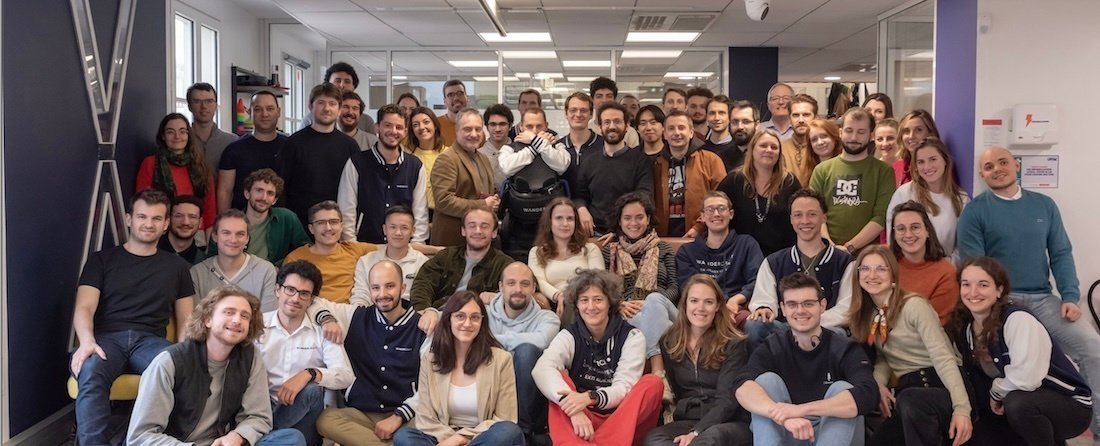
Nos bureaux parisiens abritent leur propre centre de marche, un autre se trouve à New York et d’autres ouvrent partout aux États-Unis. Des utilisateurs s’y entraînent chaque jour : personne ici n’a besoin d’imaginer pour qui nous travaillons.
Commande corps complet, IA embarquée, sécurité certifiable, des robots qui portent des personnes et des robots qui portent des charges — et une ligne de production qui attend la réponse.
Notre filière interne Expert Track permet aux ingénieurs d’approfondir une spécialité plutôt que de progresser par le management. Ici, la séniorité ne se mesure pas au nombre de personnes encadrées.
Paris et New York, reliés à dessein : des événements qui réunissent toute l’entreprise chaque année, et des engagements de bien-être que nous mettons noir sur blanc.
Venez façonner la prochaine génération de la robotique médicale et humanoïde, portée par l’IA et par le sens.



Ekso Bionics rejoint Wandercraft : deux pionniers s’unissent pour faire progresser et élargir la locomotion robotique
Lire le communiqué de presse