
¿Y si la robótica ofreciera un enfoque totalmente nuevo de la movilidad en su vida diaria?
Evalúe su elegibilidadPara millones de personas que viven con una enfermedad o después de un accidente, la vida consiste en recuperar las rutinas del día a día. Las opciones de movilidad disponibles hasta ahora limitan el acceso a la posición erguida y a la mirada horizontal en el trato con los demás.
Fruto de años de tratamiento de miles de personas que deseaban caminar más allá de la rehabilitación, Eve se ha concebido para que las personas en silla de ruedas recuperen la bipedestación y la movilidad, de forma autónoma y con las manos libres, en presencia de un acompañante formado.

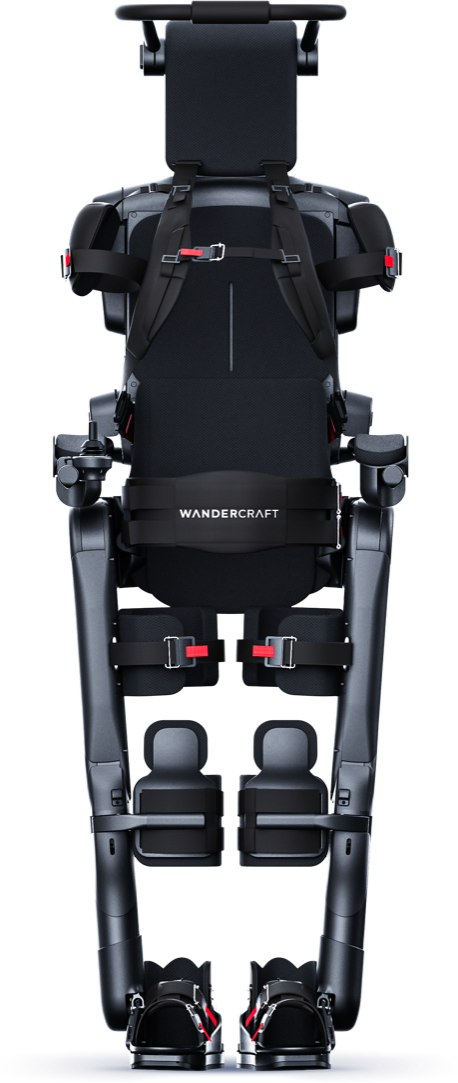
El exoesqueleto personal Eve ha recibido la autorización de la FDA (K260381) para adultos con lesión medular de cualquier nivel neurológico.
Hable con un especialista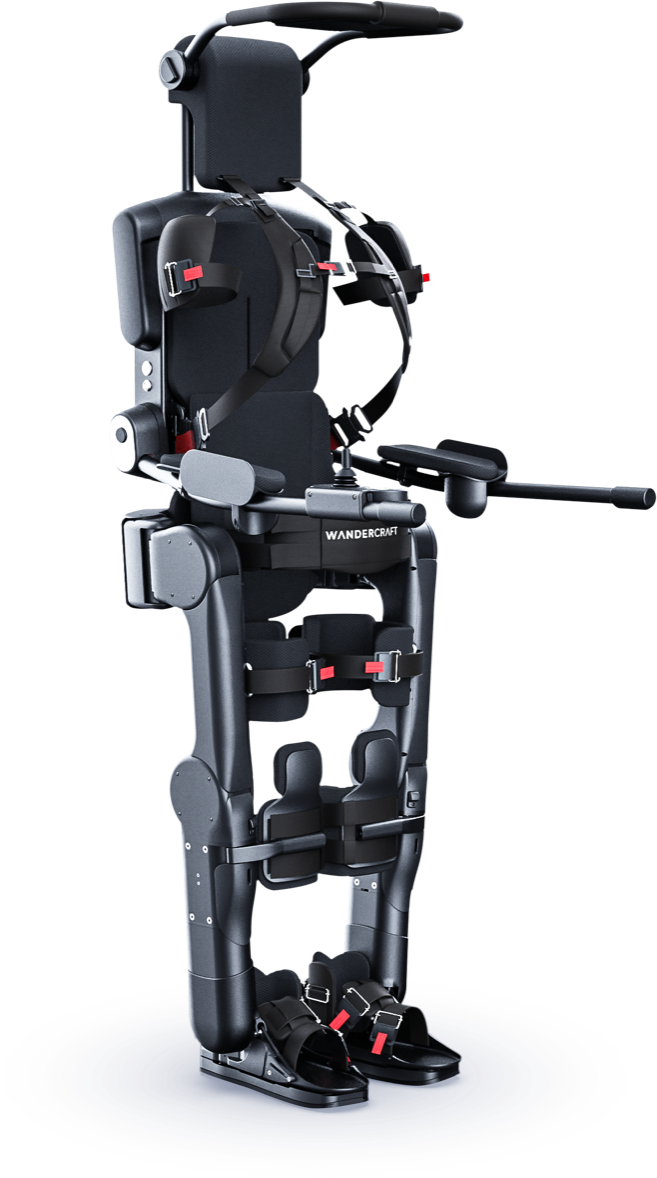
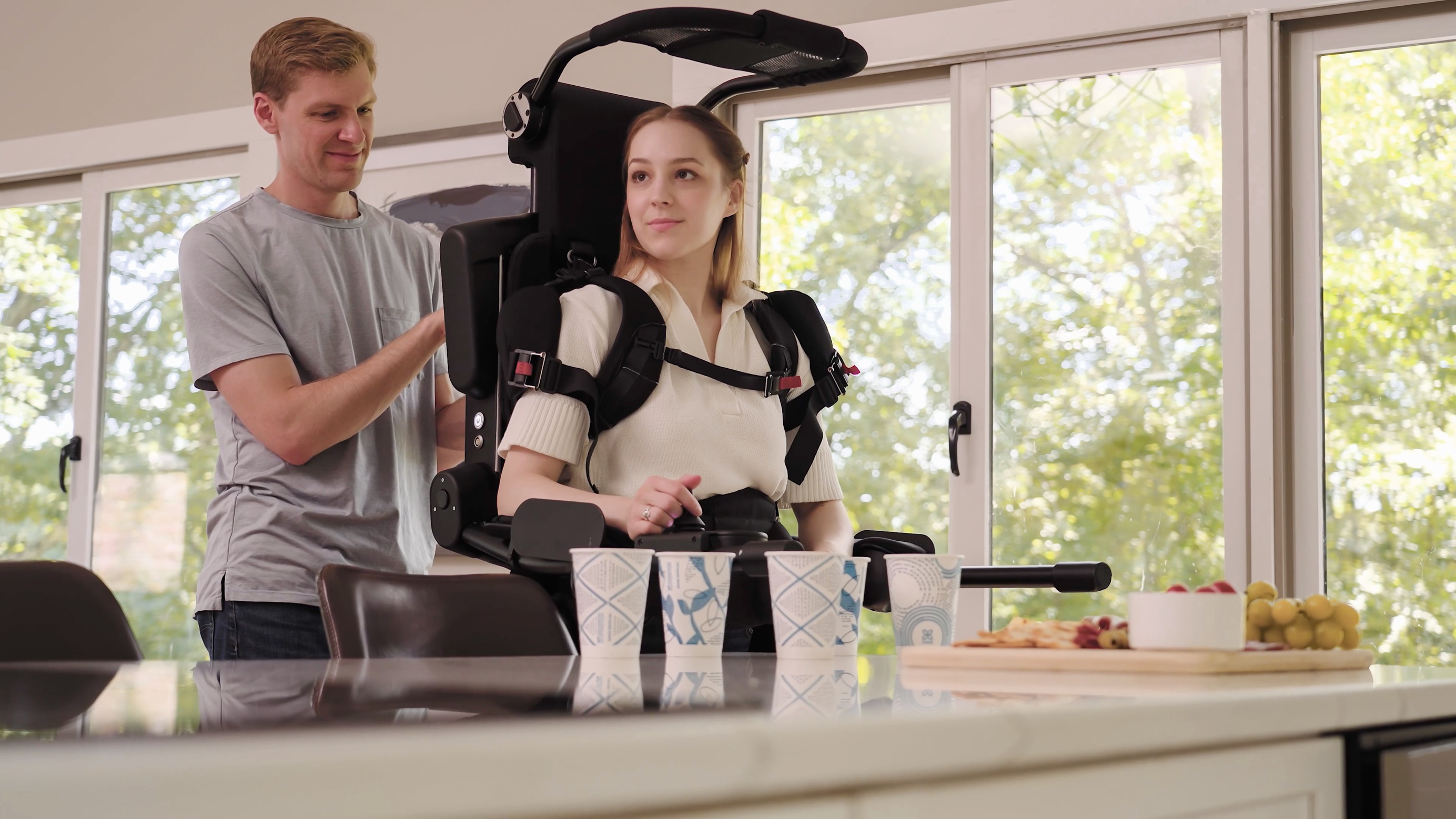
Conversar a la altura de la mirada, preparar un pastel, lavarse los dientes, relacionarse con sus seres queridos en posición erguida.
Basado en una robótica médica que cuenta con la confianza de más de 150 centros clínicos en todo el mundo.
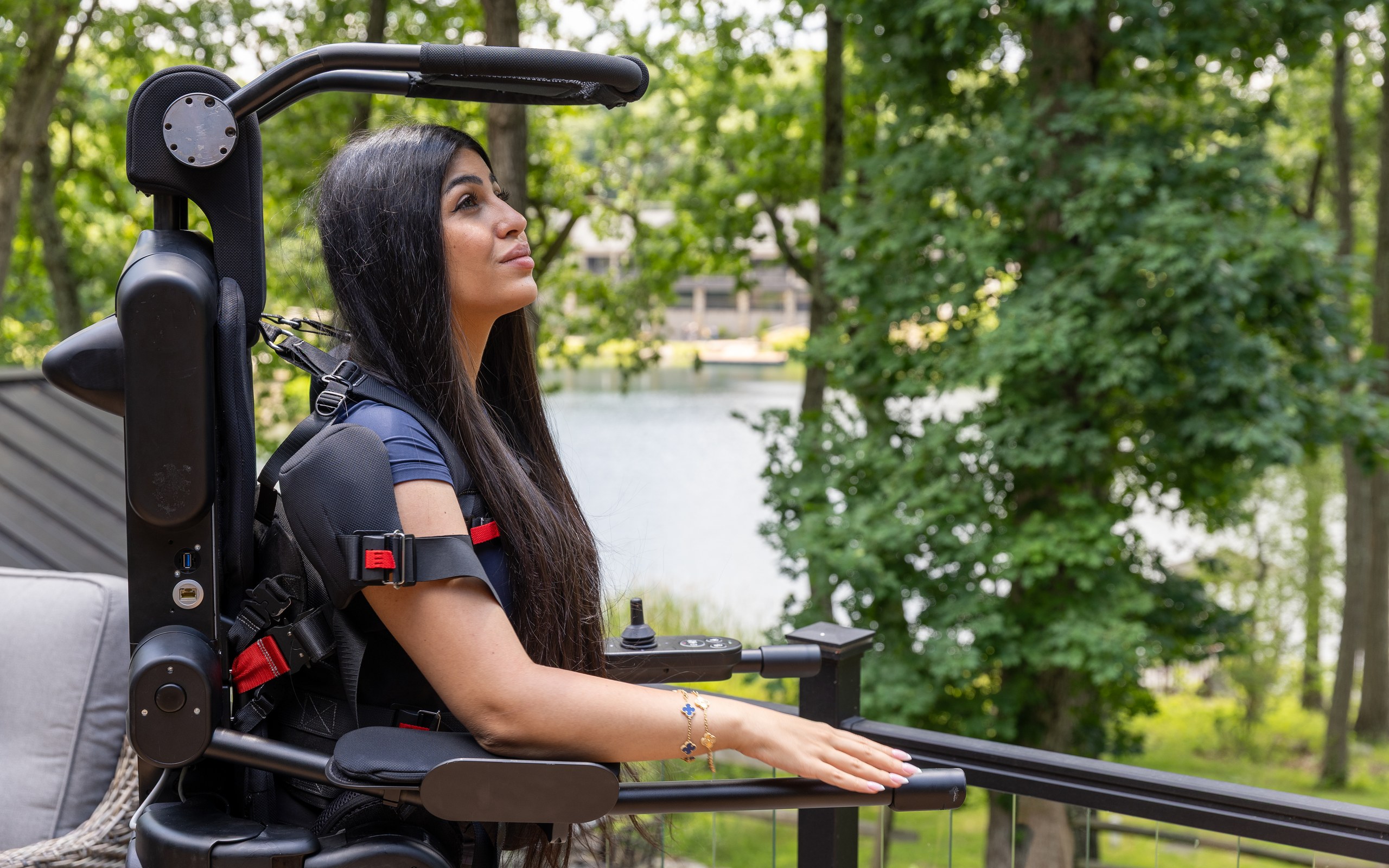
Diseñado para los espacios en los que vive, en el interior y en su balcón o azotea, rodeado de sus seres queridos, con confianza y control.
Fabricado con componentes de grado médico, diseñado para el uso diario y concebido para una fiabilidad a largo plazo. Tanto el hardware como el software se personalizan para cada usuario.
Cada recorrido con Eve comienza con una evaluación personalizada. Le acompañamos durante todo el proceso, con una formación especializada y asistencia de mantenimiento.

de autonomía

sin muletas

multidireccional

grados de libertad
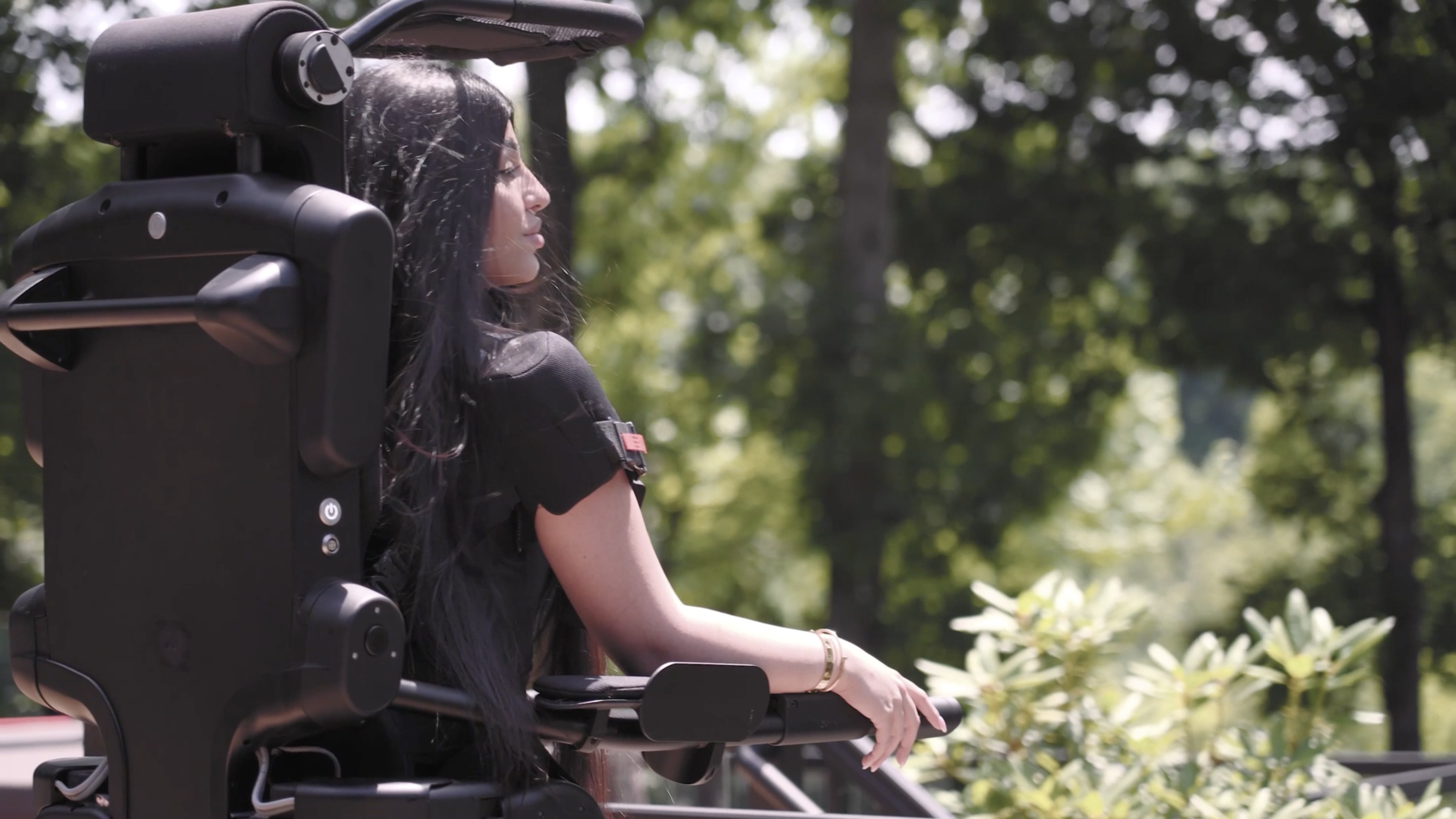
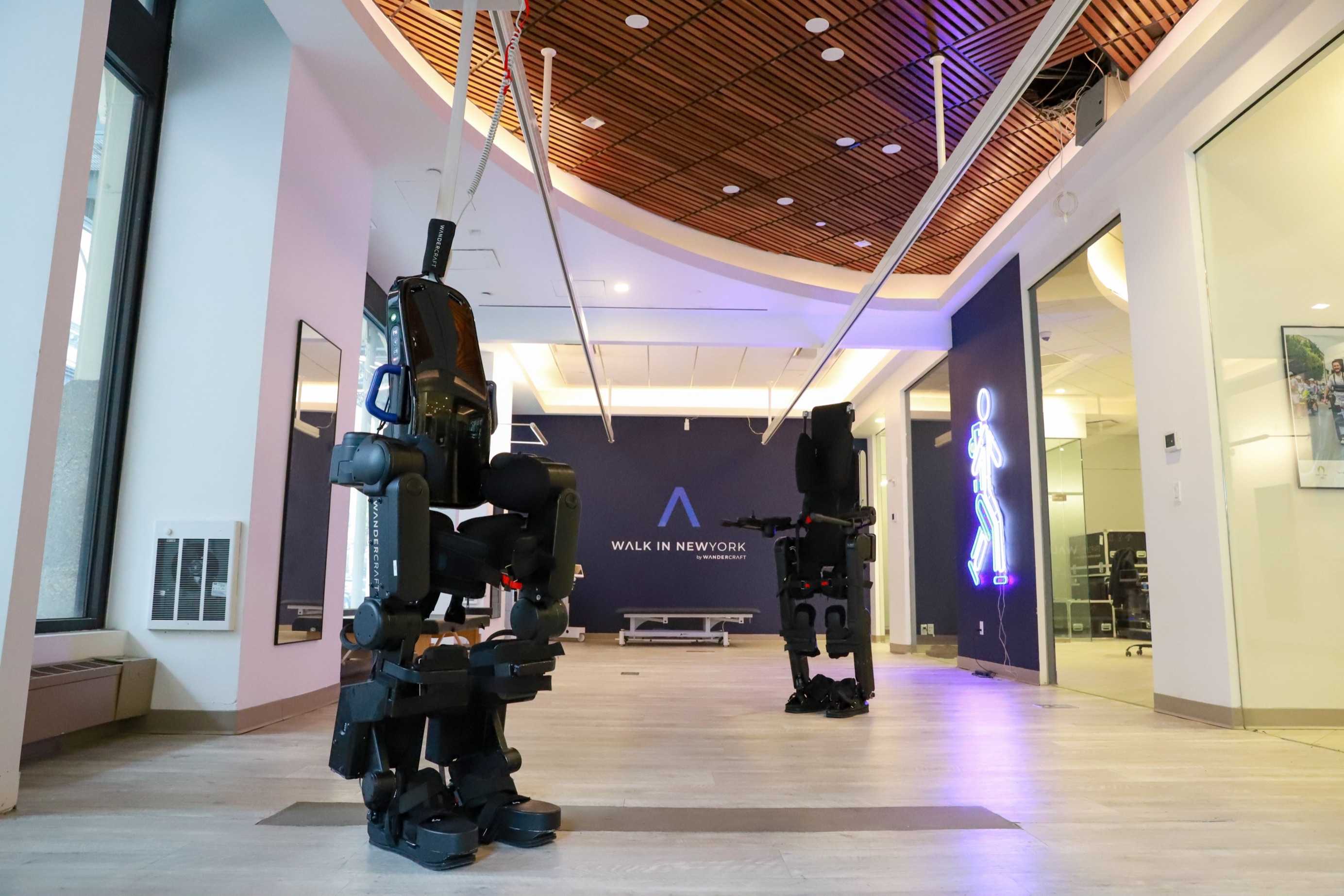
Eve se entrega tras un proceso de evaluación estructurado que comienza con una preevaluación a distancia. A continuación, nuestros profesionales clínicos realizan sesiones de prueba con usted y su acompañante para confirmar su elegibilidad y orientarle: así sabe exactamente qué esperar.
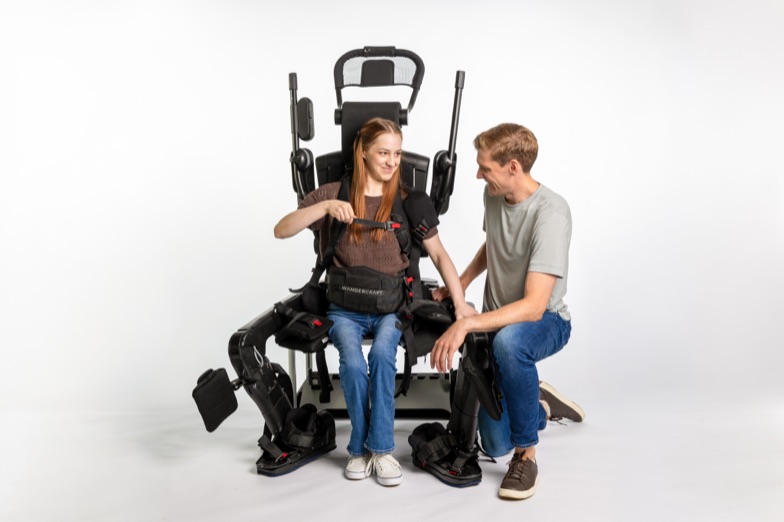
Una vez confirmada su elegibilidad, usted y su acompañante pueden comenzar su formación con formadores certificados. Con un programa eficaz de 5 sesiones de unas dos horas cada una, en tan solo una semana o repartidas a lo largo de 30 días, obtendrán la certificación.
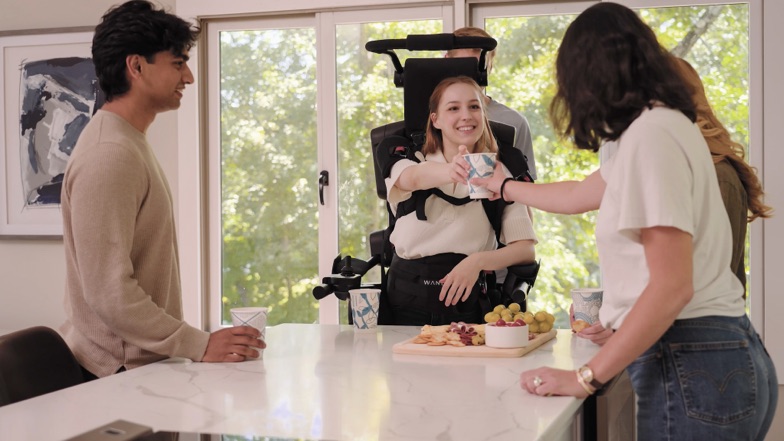
Una vez certificados usted y su acompañante, ¡estará listo para recibir en casa su exoesqueleto Eve y disfrutar de la movilidad en posición erguida en la vida diaria!
Preguntas

Eve es un exoesqueleto personal autoequilibrado para la vida diaria. Permite ponerse de pie y caminar con las manos libres —sin muletas ni andador—, de modo que puede girar, alcanzar objetos y usar las manos en posición erguida: de pie ante la encimera de la cocina, conversando a la altura de la mirada o llegando hasta el lavabo del baño. Como Eve se estabiliza de forma autónoma, la autonomía en posición erguida es posible incluso sin control de tronco, en presencia de un acompañante formado. Eve se ha concebido para complementar su silla de ruedas, no para sustituirla.
Eve está indicado para adultos de 18 años o más con lesión medular de cualquier nivel neurológico que puedan manejar Eve con el mando a distancia y tolerar la posición de bipedestación. También existen límites físicos, porque Eve se adapta a sus medidas: hasta 220 lb (100 kg) y 6 ft 4 in (1,94 m), dentro de unos intervalos establecidos de longitud del muslo, longitud de la pierna, anchura de la pelvis y movilidad articular. Eve es un dispositivo sujeto a prescripción, por lo que la decisión final corresponde siempre al profesional sanitario colegiado que lo prescribe, tras una evaluación individual.
Sí. Eve cuenta con la autorización de la FDA con el número K260381 para adultos con lesión medular de cualquier nivel neurológico. Es un dispositivo médico de clase II disponible únicamente con prescripción, por lo que debe prescribirlo un profesional sanitario colegiado. Eve estará disponible comercialmente en Estados Unidos el 17 de septiembre de 2026. Otras regiones seguirán después.
Sí, siempre. Eve se utiliza en presencia de un acompañante formado, que se forma y se certifica junto a usted y permanece a su lado, al alcance de la mano, mientras camina. Su acompañante es también la persona que le ayuda a salir del dispositivo con seguridad si algo va mal. Los acompañantes también son evaluados, mediante una prueba física que demuestra que pueden sujetar el dispositivo si usted pierde el equilibrio.
En superficies interiores llanas y en superficies llanas de zonas al aire libre que formen parte de su edificio: un porche, un balcón, una terraza, un patio. La superficie debe ser firme, seca y lisa: baldosa u otro suelo duro y liso, moqueta de pelo corto u hormigón en esas zonas al aire libre. Eve no está previsto para escaleras, pendientes ni rampas, incluidos los rebajes de bordillo conformes a la ADA, ni para suelos mojados o helados, zonas concurridas, aparcamientos o calzadas, y no está destinado a la práctica deportiva. Nunca debe utilizarse para cruzar una vía pública, porque su velocidad de marcha es demasiado lenta para que resulte seguro.
Usted y su acompañante se forman juntos y se certifican juntos, tras una evaluación clínica y un ajuste individualizado. El programa consta de cinco sesiones de unas dos horas cada una, impartidas por formadores certificados, que combinan explicación y práctica guiada. Abarca las transferencias, el manejo del mando a distancia, la marcha sobre superficies llanas, las actividades de la vida diaria y los procedimientos de seguridad y emergencia, y concluye con una evaluación que cubre tanto el uso normal como las situaciones de emergencia. Puede completarse en tan solo una semana o repartirse a lo largo de unos 30 días.

El exoesqueleto manos libres que lleva la rehabilitación a pacientes de todo el mundo.
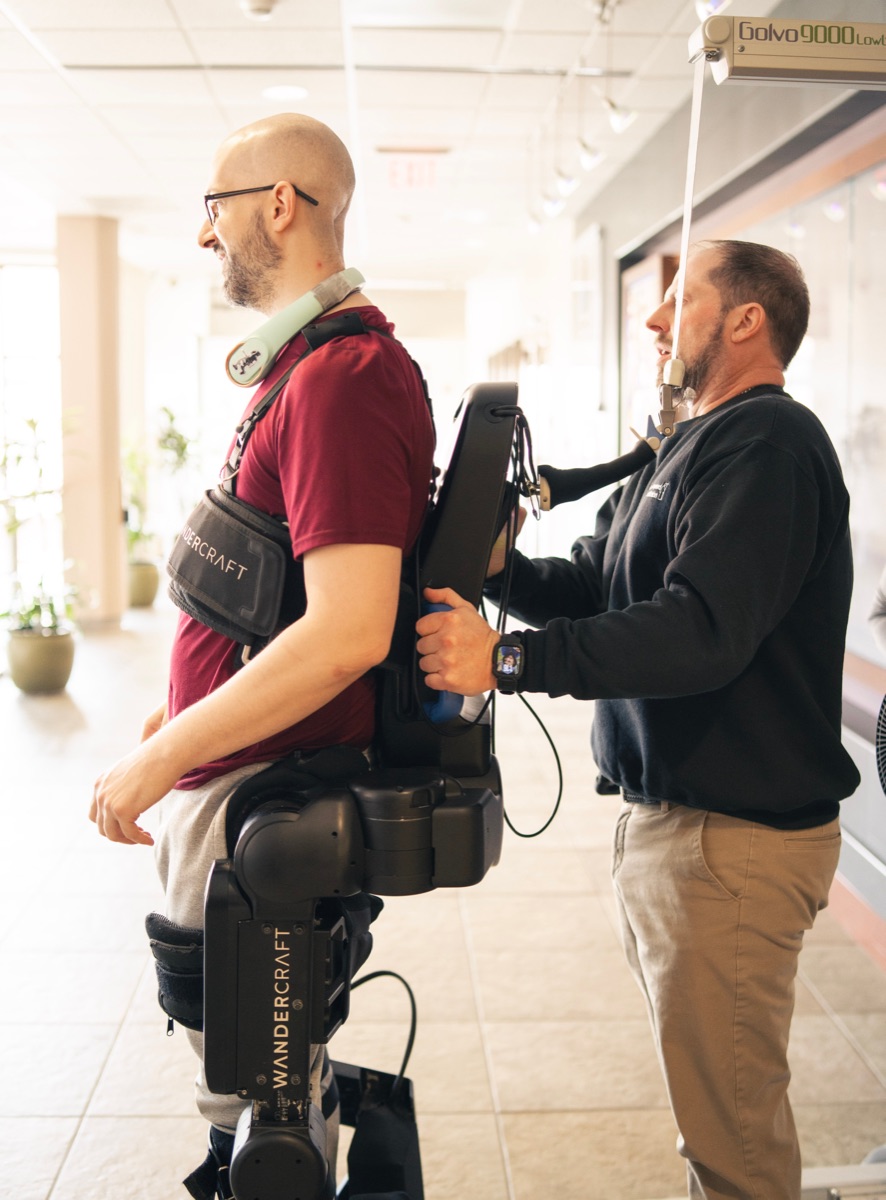
Ekso Bionics se une a Wandercraft: dos pioneros unidos para impulsar y ampliar la movilidad robótica
Leer el comunicado