Una robótica creada para que las personas logren lo que no pueden hacer solas
Todo comenzó con una pregunta que un joven ingeniero no lograba quitarse de la cabeza. En un club de robótica de la universidad, Nicolas Simon vio cómo una máquina aprendía a caminar y pensó en su hermano, que estaba perdiendo esa capacidad. Si un robot puede caminar, ¿por qué no crear uno que camine por él?
Wandercraft se fundó en París en 2012 para responder a esa pregunta, y la respuesta exigió una década de ingeniería: un exoesqueleto que se equilibra solo, para que no tenga que hacerlo la persona que lo lleva. En 2019, Atalante se convirtió en el primer exoesqueleto de marcha autoequilibrado en obtener el marcado CE en Europa.
Esa misma tecnología acompaña hoy a las personas en su rehabilitación en más de 150 centros clínicos y de investigación, sale de la clínica para entrar en el hogar con Eve y está presente en Calvin, nuestra familia de robots humanoides concebidos para los trabajos más duros de la industria. Tres productos, dos mercados, una convicción: la robótica debe ayudar a las personas a lograr lo que no pueden hacer solas.
La misma tecnología de estabilización autónoma a tres escalas: de un exoesqueleto clínico a un humanoide concebido para la fábrica.
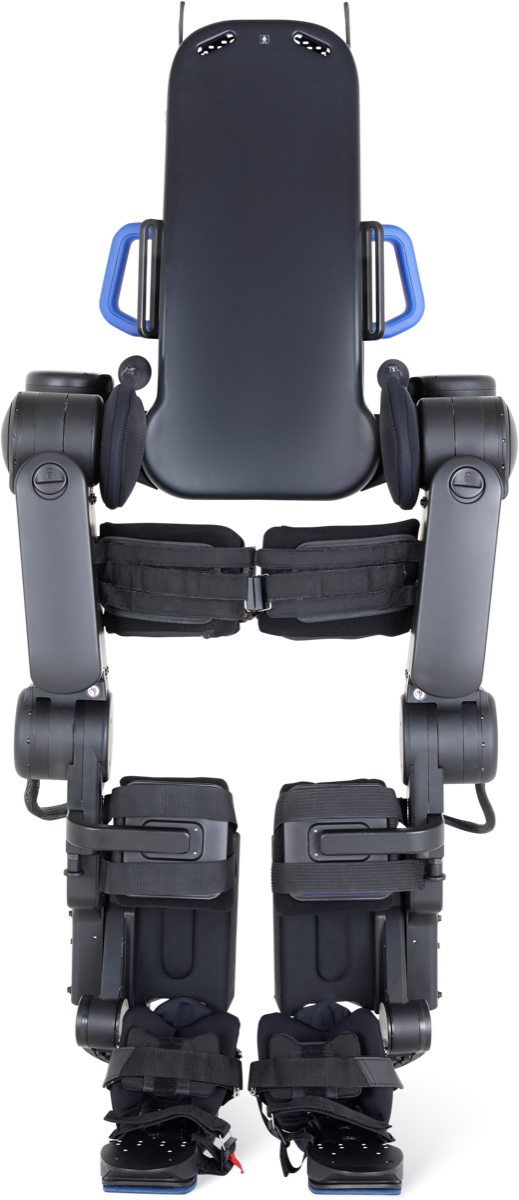
Nuestro exoesqueleto clínico, que hace caminar a los pacientes con las manos libres en rehabilitación, sin muletas.
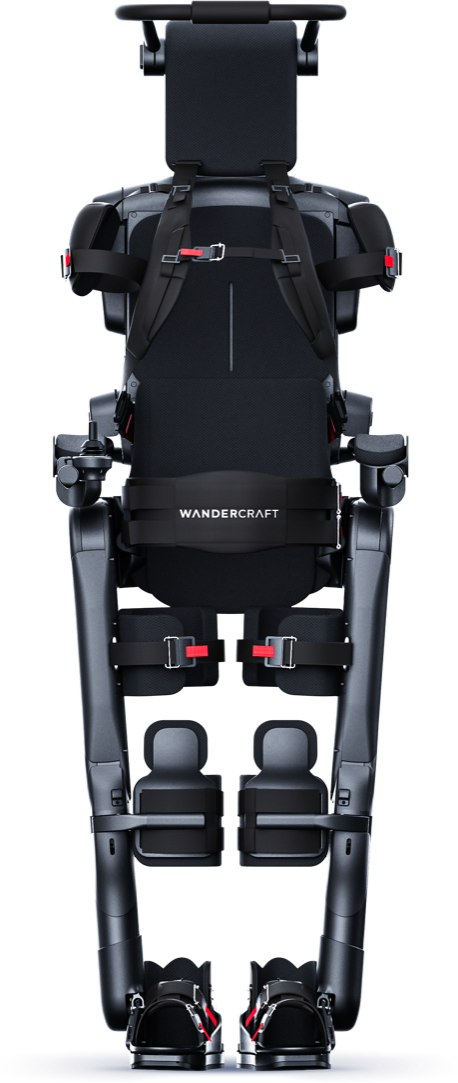
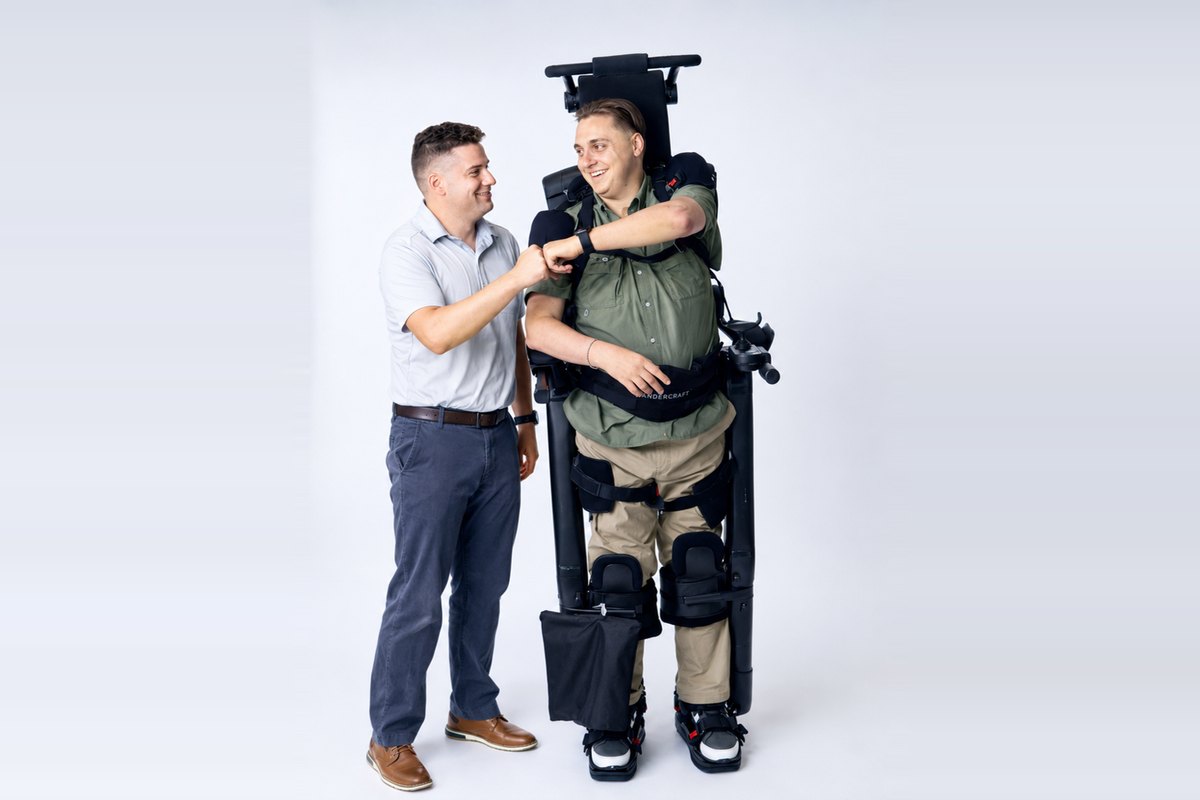
Nuestro exoesqueleto personal, concebido para salir de la clínica e irse a casa con la persona que camina con él.
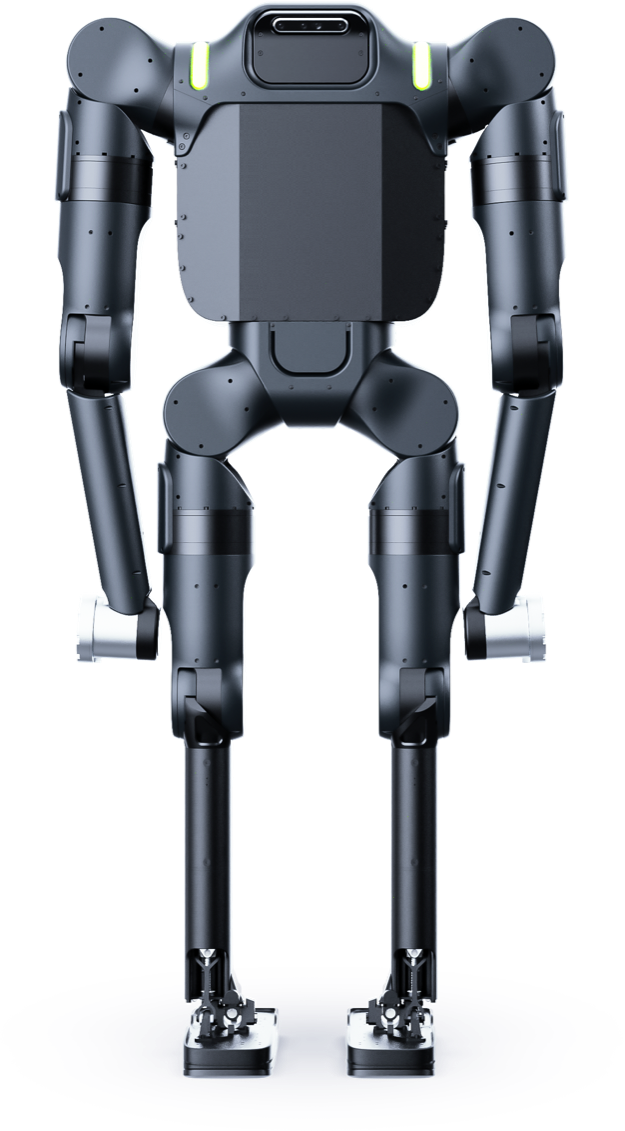
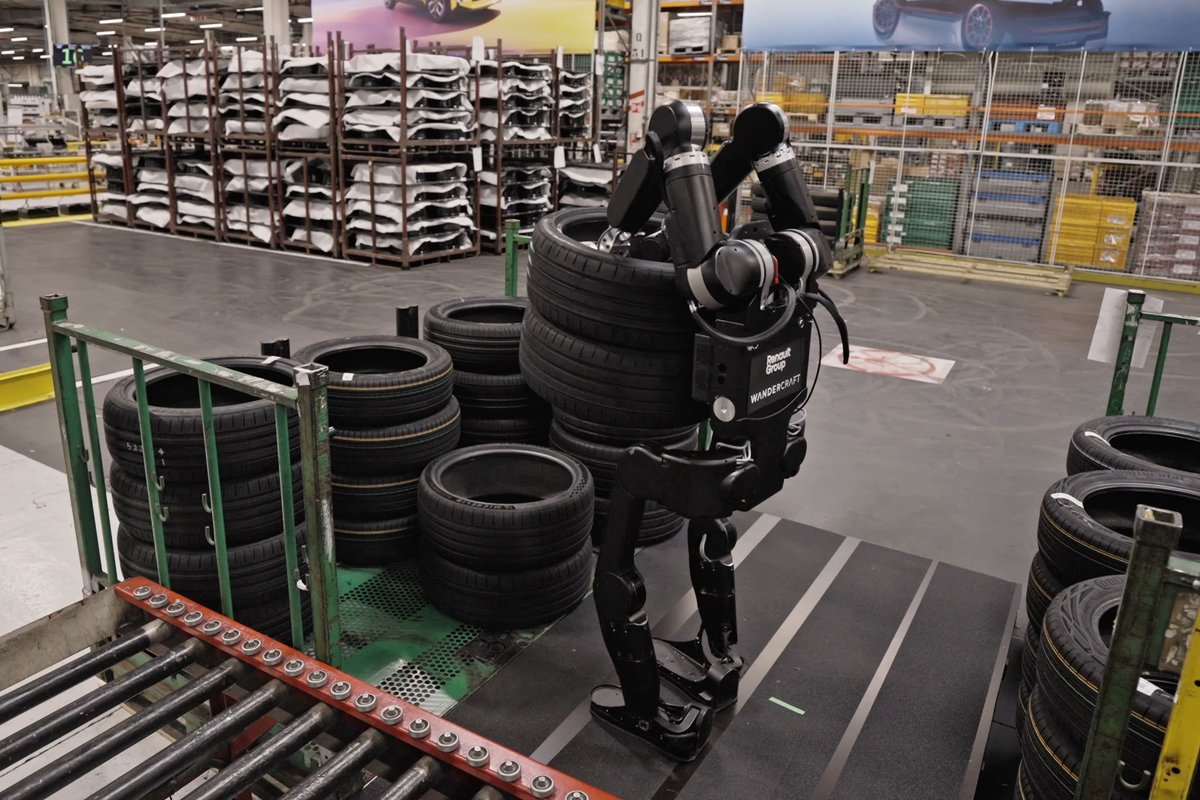
Nuestro robot humanoide, concebido para los trabajos más pesados y repetitivos de una planta industrial.
Catorce años, tres robots y una idea que no nos abandonó. Desplácese en horizontal para seguirla.
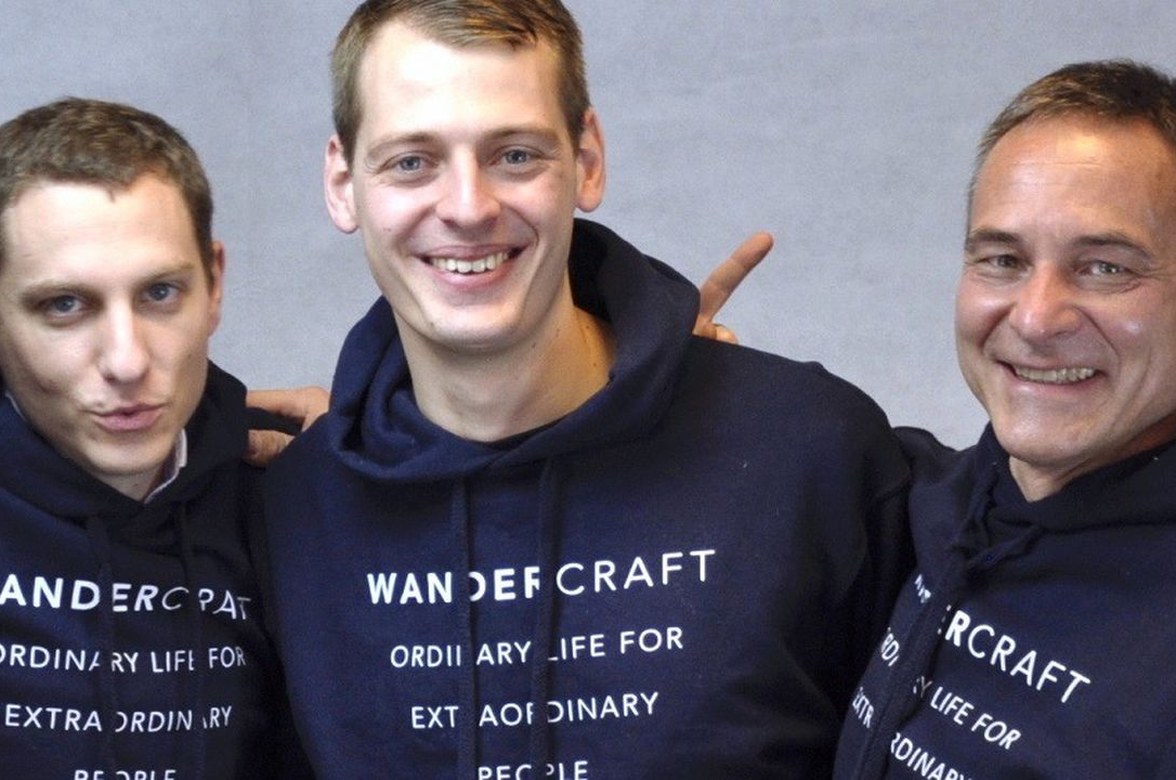
Nicolas Simon, Matthieu Masselin y Jean-Louis Constanza fundan Wandercraft en París, impulsados por un hermano y un hijo que estaban perdiendo la capacidad de caminar.
Los primeros ensayos clínicos del mundo con nuestros prototipos demuestran que las personas con paraplejia pueden caminar con las manos libres, sin muletas.
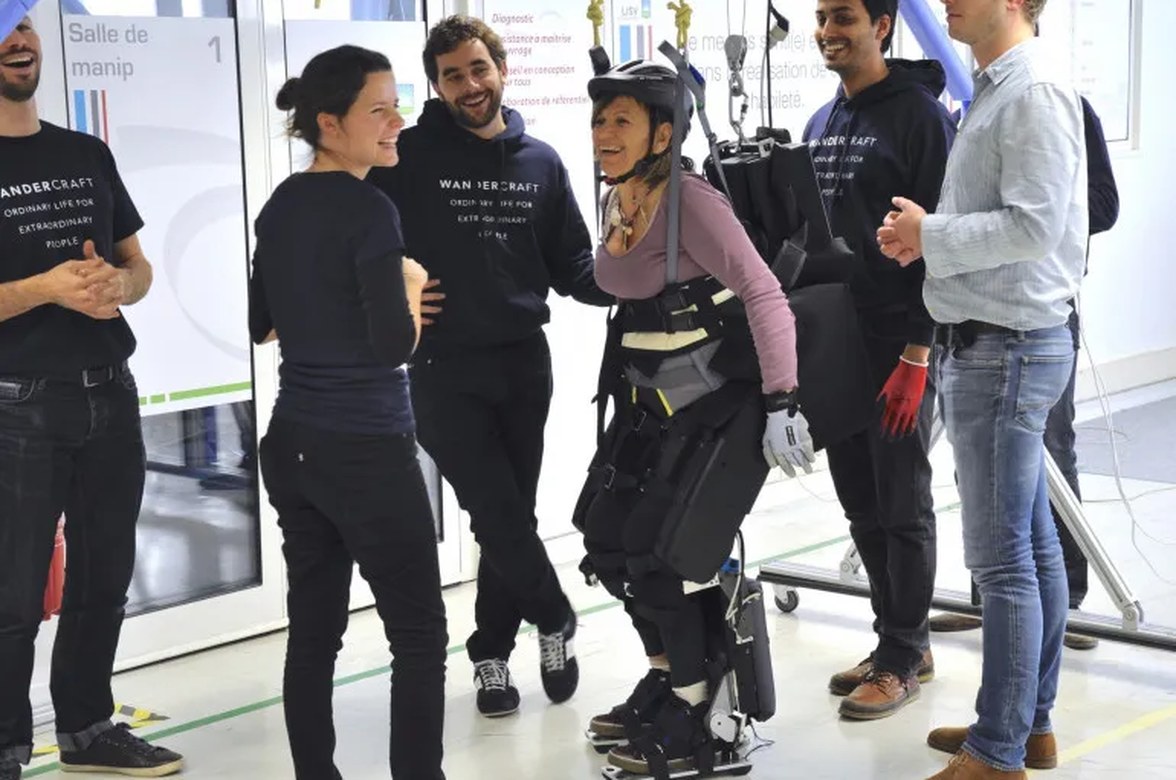
El primer exoesqueleto autoequilibrado del mundo recibe la aprobación en Europa y hace caminar a sus primeros pacientes en centros de rehabilitación.

Atalante recibe la autorización de la FDA para la rehabilitación tras un accidente cerebrovascular, lo que abre las puertas de las clínicas estadounidenses y, al año siguiente, de nuestras operaciones en Estados Unidos.

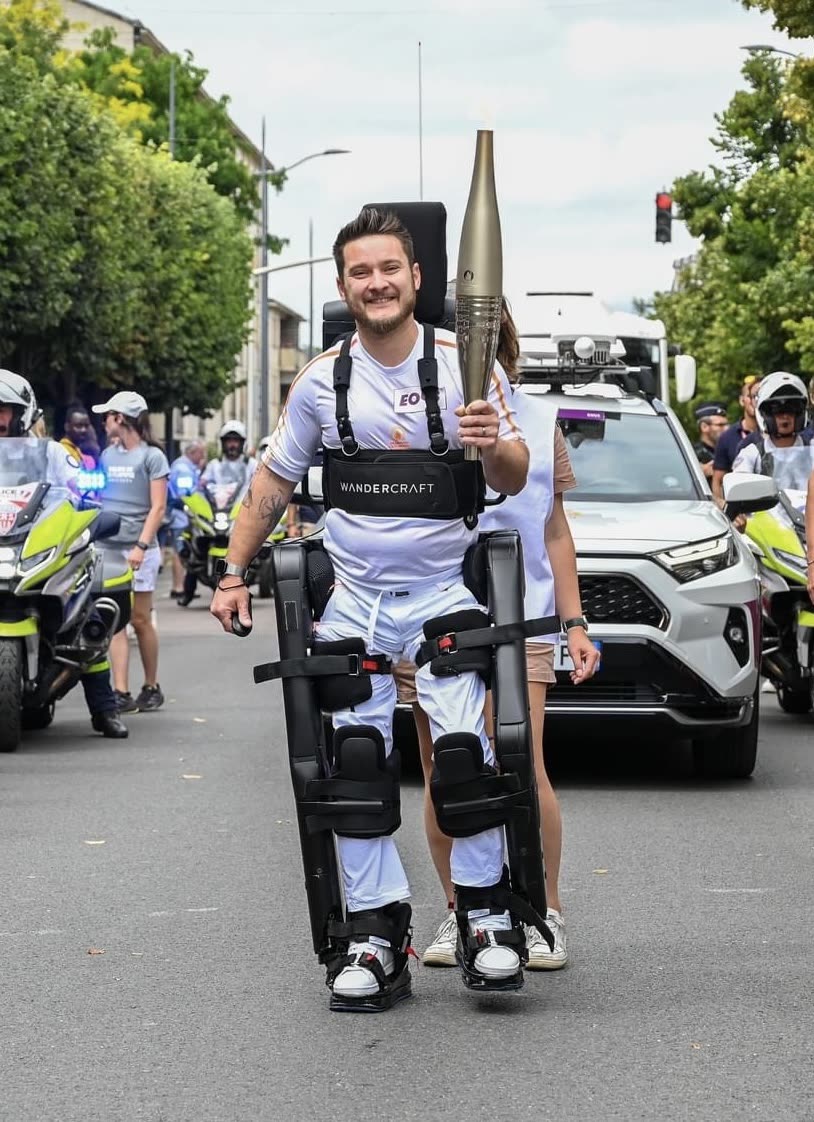
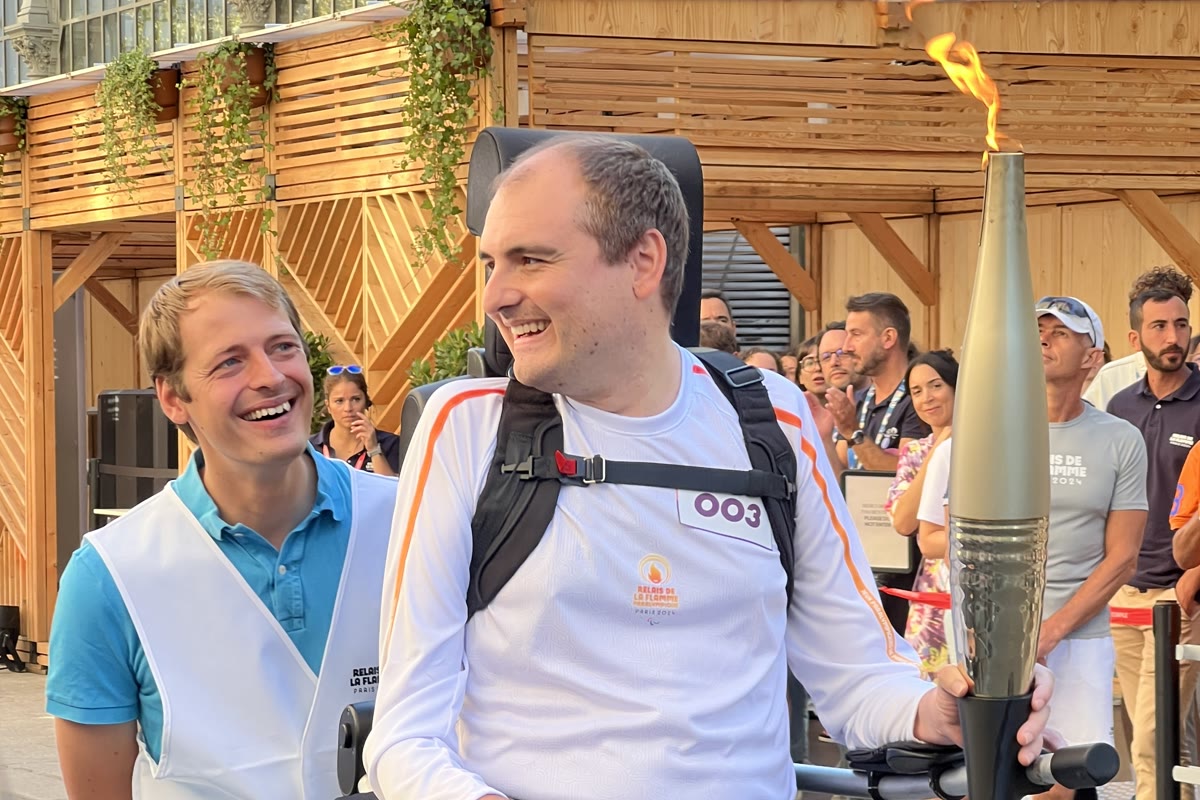
En París 2024, nuestros exoesqueletos llevan las antorchas olímpica y paralímpica, con portadores como Thibault Simon, el hermano cuya historia lo empezó todo.
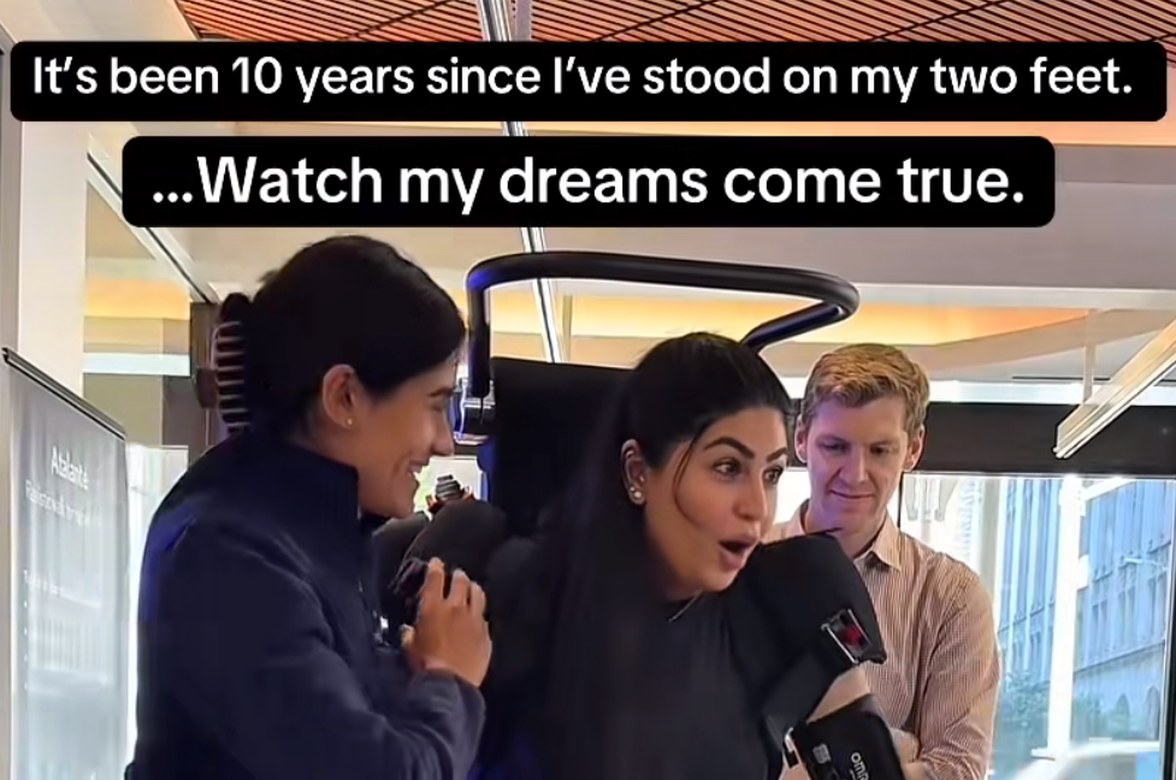
Nuestro exoesqueleto personal autoequilibrado entra en fase de ensayos con personas con lesión medular, en el Bronx VA y en Kessler.
Renault Group entra en el capital y se suma como socio industrial, junto con una ronda de serie D para escalar la producción en todo el mundo.
Sobre la base de más de una década de ingeniería de exoesqueletos, el primer prototipo de Calvin toma forma en 40 días. Calvin-40 se presenta con Renault Group como primer cliente.
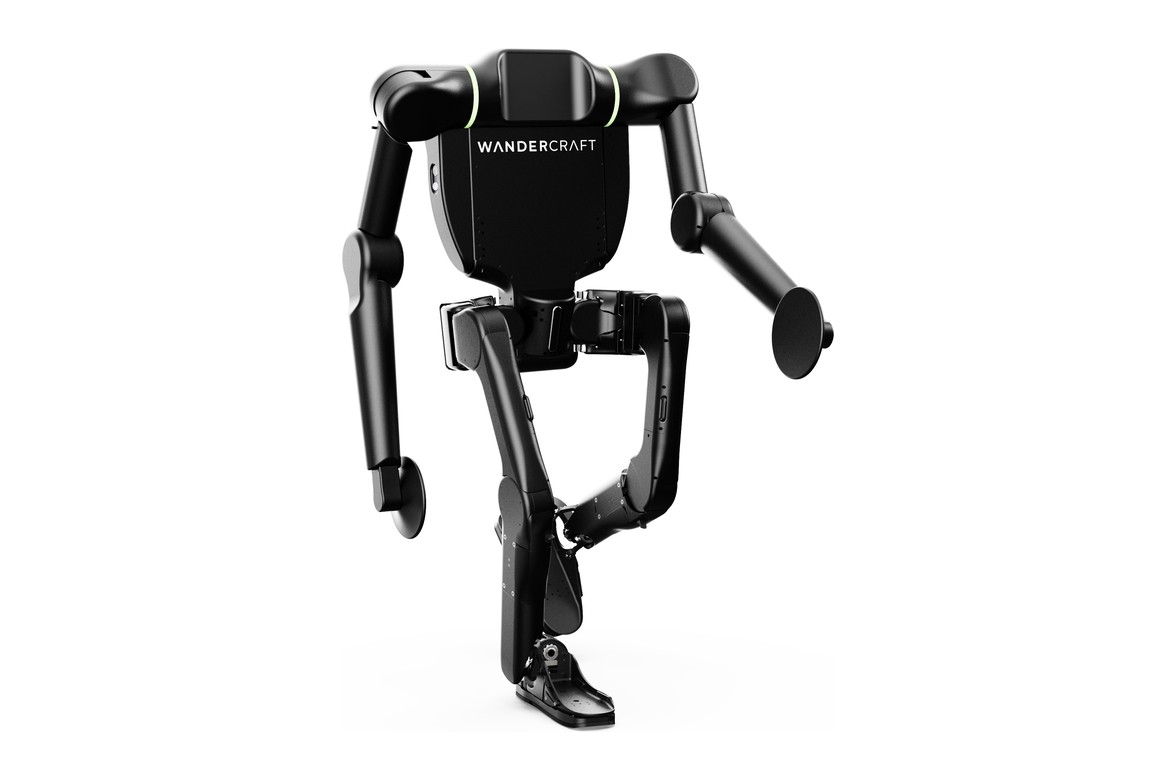
Calvin-40 ya trabaja en la línea de la planta de Renault en Douai, con una flota de 350 robots comprometida para 2027.
Eve se convierte en el primer exoesqueleto personal autoequilibrado autorizado para su uso en casa por personas con lesión medular.
Más de 175 expertos de primer nivel en inteligencia artificial, robótica e industria, que trabajan desde nuestra doble sede de París y Nueva York.













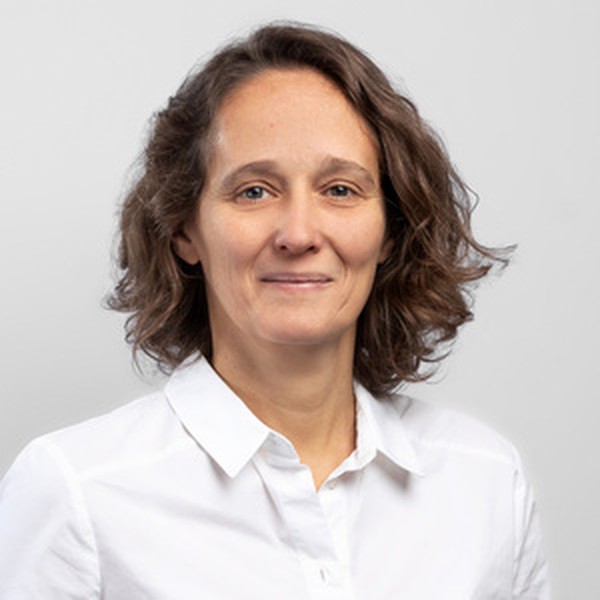

No solo contratamos personas. Construimos un equipo de pioneros, mentes curiosas y personas resolutivas que quieren cambiar el mundo, paso a paso.
Presente su candidatura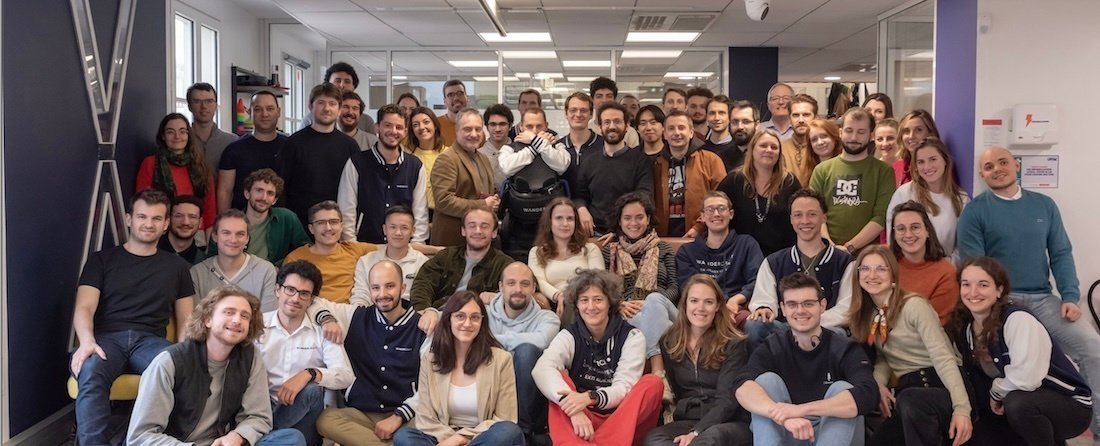
Nuestra oficina de París cuenta con su propio centro de marcha, hay otro en Nueva York y estamos abriendo más por todo Estados Unidos. Los usuarios se entrenan en el edificio cada día, así que aquí nadie tiene que imaginar para quién trabajamos.
Control de cuerpo completo, inteligencia artificial integrada, seguridad certificable, robots que llevan a personas y robots que llevan cargas, y una línea de producción esperando la respuesta.
Nuestro programa interno Expert Track permite a los ingenieros profundizar en una especialidad en lugar de ascender por la vía de la gestión. Aquí la veteranía no se mide solo por el número de personas a su cargo.
París y Nueva York, unidos de forma deliberada: eventos para toda la empresa cada año y compromisos de bienestar que ponemos por escrito.
Venga a dar forma a la próxima generación de robótica médica y humanoide, impulsada por la inteligencia artificial y por un propósito.



Ekso Bionics se une a Wandercraft: dos pioneros unidos para impulsar y ampliar la movilidad robótica
Leer el comunicado