
Was wäre, wenn Robotik einen ganz neuen Ansatz für Mobilität in Ihren Alltag bringen könnte?
Prüfen Sie Ihre EignungFür Millionen von Menschen, die mit einer Erkrankung oder nach einem Unfall leben, geht es darum, den Alltag zurückzugewinnen. Die bisher verfügbaren Mobilitätslösungen schränken den Zugang zu aufrechter Mobilität und zu Begegnungen auf Augenhöhe ein.
Eve ist aus jahrelanger Erfahrung in der Behandlung Tausender Menschen entstanden, die über die Rehabilitation hinaus gehen wollten. Eve ermöglicht es Menschen im Rollstuhl, aufrechte Mobilität und freihändige Selbstständigkeit zurückzugewinnen – in Anwesenheit einer geschulten Begleitperson.

Das persönliche Exoskelett Eve ist unter K260381 von der FDA für Erwachsene mit Rückenmarksverletzung zugelassen – unabhängig von der neurologischen Läsionshöhe.
Sprechen Sie mit einem Spezialisten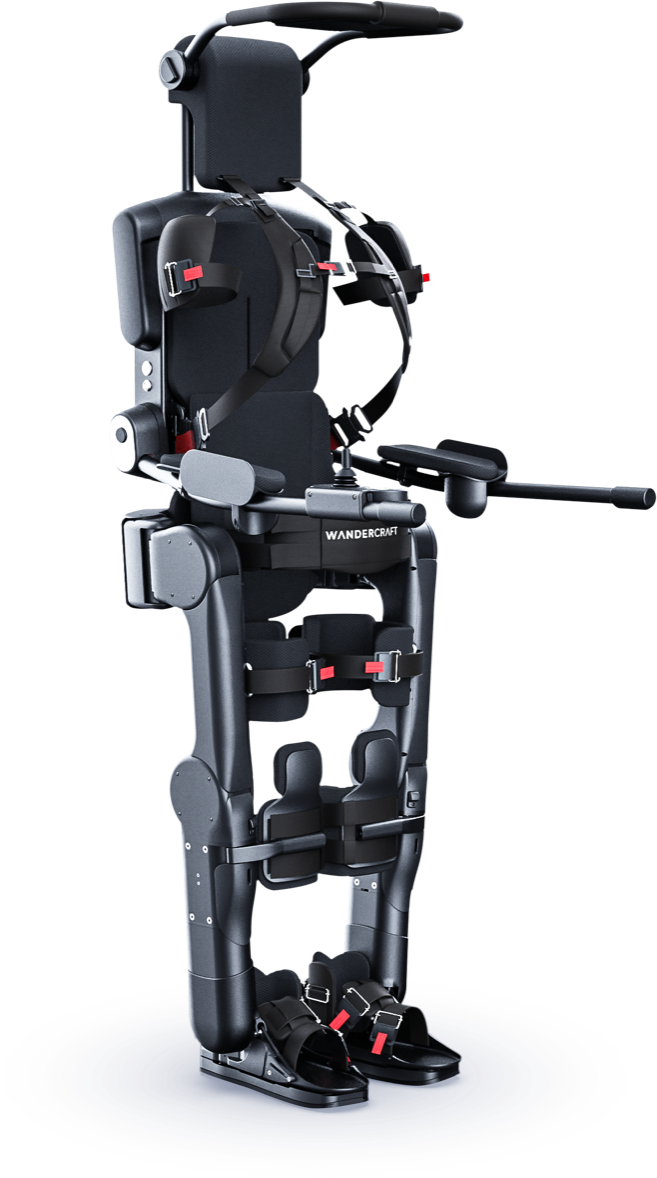
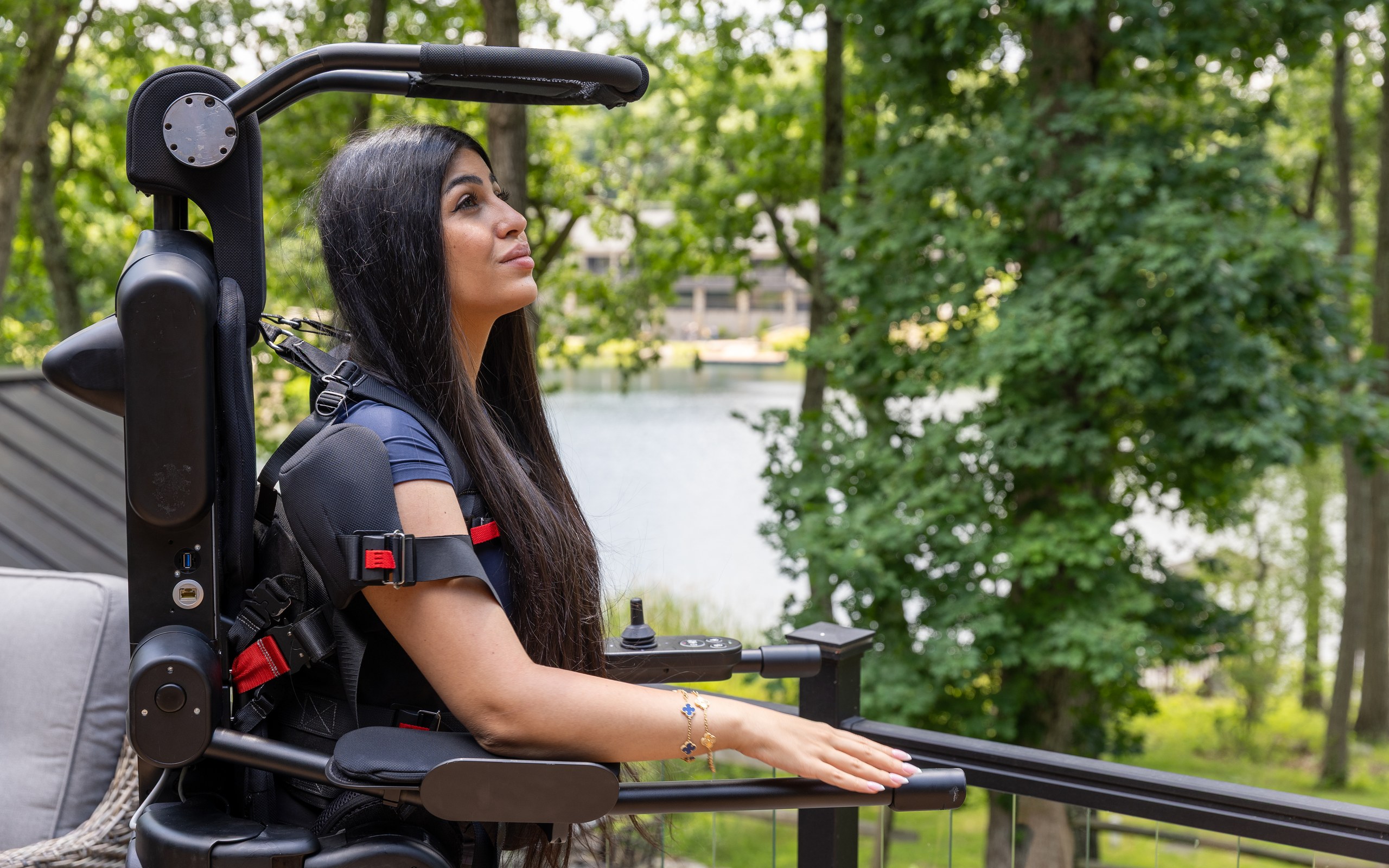
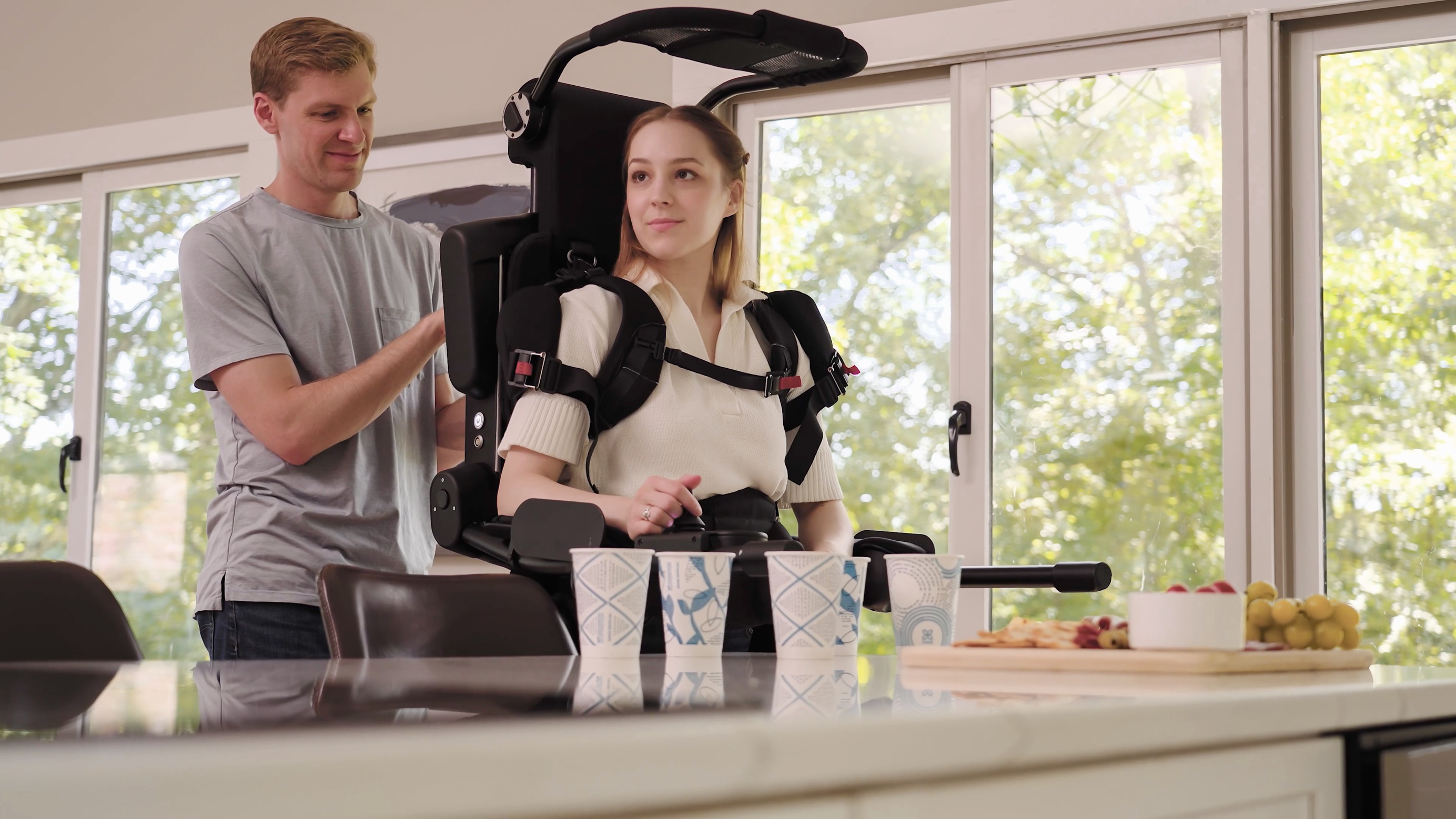
Sich auf Augenhöhe unterhalten, einen Kuchen backen, die Zähne putzen, aufrecht mit den Menschen zusammen sein, die Ihnen wichtig sind.
Aufbauend auf in medizinischer Robotik, die sich in über 150 klinischen Zentren weltweit bewährt hat.
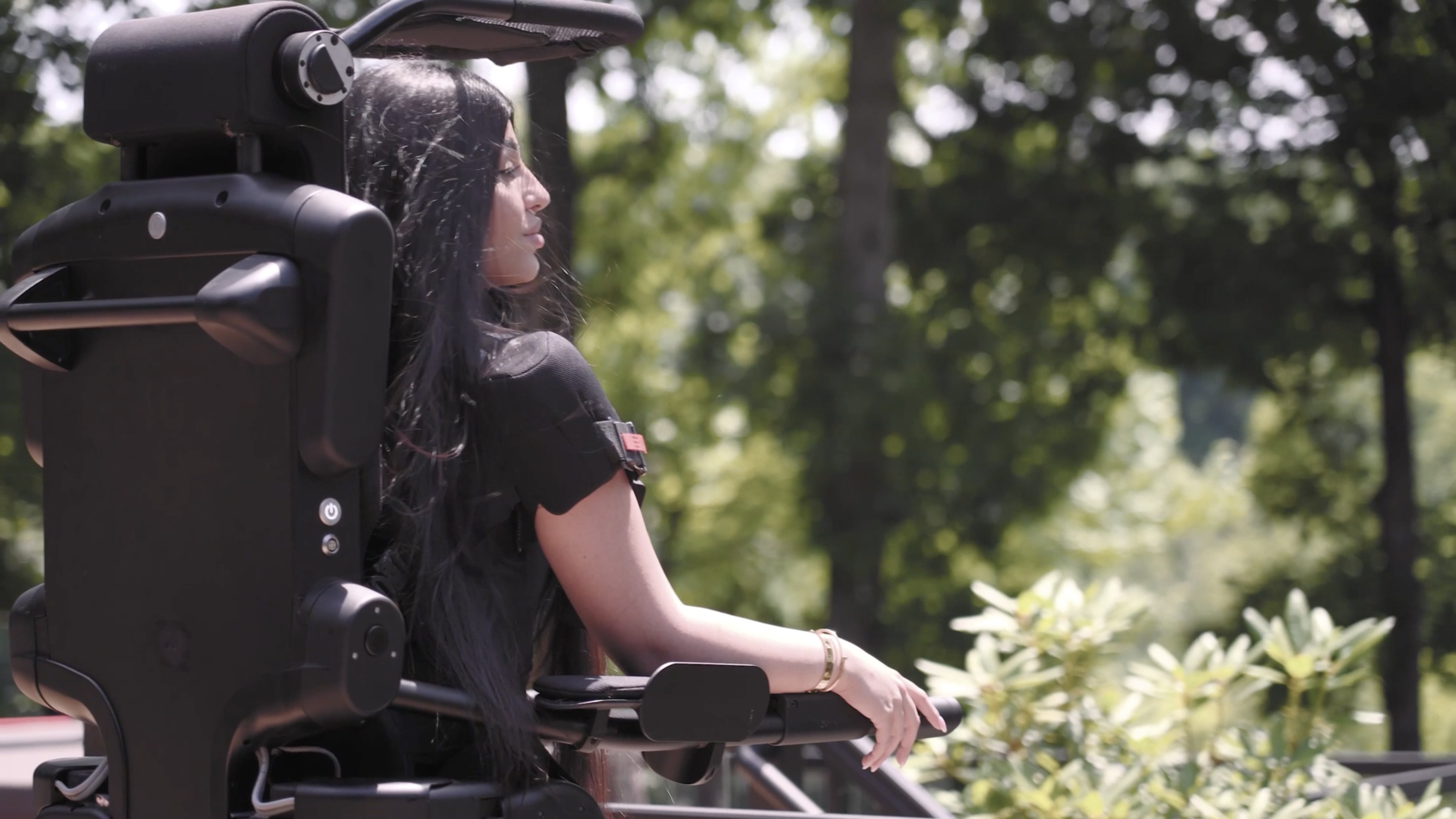
Entwickelt für die Räume, in denen Sie leben – drinnen sowie auf Ihrem Balkon oder Ihrer Dachterrasse, umgeben von den Menschen, die Ihnen wichtig sind, mit Zuversicht und voller Kontrolle.
Gefertigt mit Komponenten nach Medizinprodukte-Standard, entwickelt für den täglichen Einsatz und ausgelegt auf langfristige Zuverlässigkeit. Hardware und Software werden individuell auf den Nutzer abgestimmt.
Jeder Weg mit Eve beginnt mit einer persönlichen Evaluation. Wir begleiten Sie durch den gesamten Prozess – mit spezialisierter Schulung und Unterstützung bei der Wartung.

Akkulaufzeit

ohne Gehhilfe

Bewegungen

Freiheitsgrade
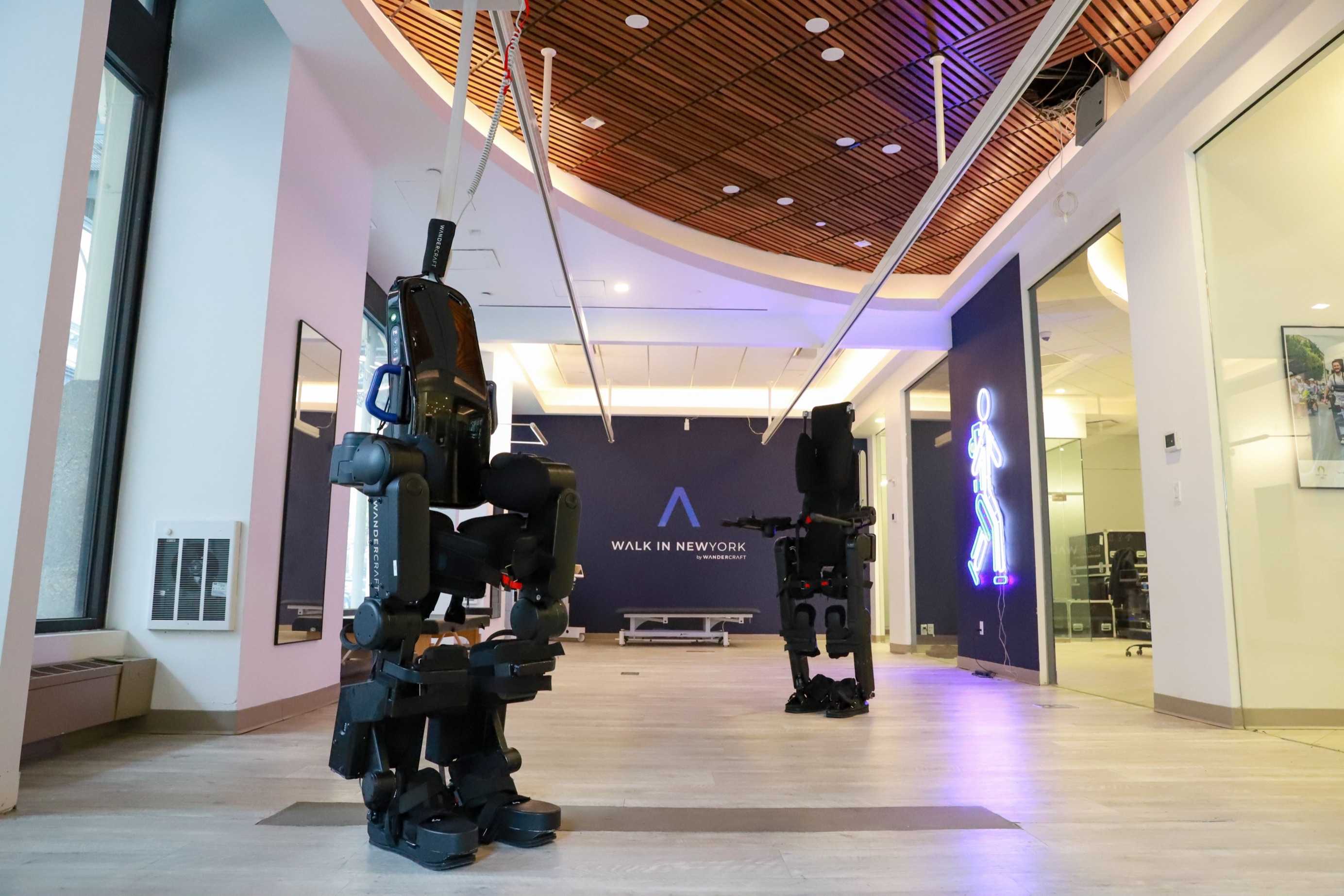
Eve wird über einen strukturierten Evaluationsprozess bereitgestellt, der mit einem virtuellen Screening beginnt. Anschließend führt unser klinisches Team Testsitzungen mit Ihnen und Ihrer Begleitperson durch, um Ihre Eignung zu bestätigen und Sie anzuleiten – Sie wissen genau, was Sie erwartet.
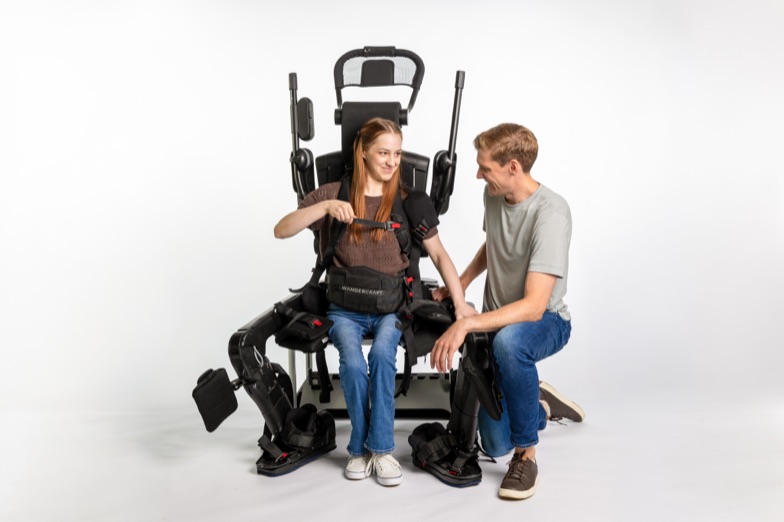
Sobald Ihre Eignung bestätigt ist, können Sie und Ihre Begleitperson Ihre Schulung mit zertifizierten Trainern beginnen. In einem effektiven Programm von 5 Sitzungen à etwa zwei Stunden – in nur einer Woche oder verteilt über 30 Tage – erreichen Sie die Zertifizierung.
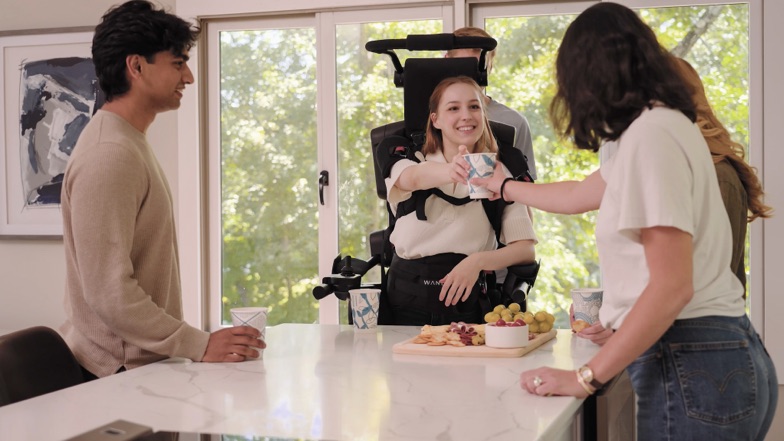
Sobald Sie und Ihre Begleitperson zertifiziert sind, können Sie Ihr Eve-Exoskelett nach Hause holen und aufrechte Mobilität im Alltag erleben.
Fragen

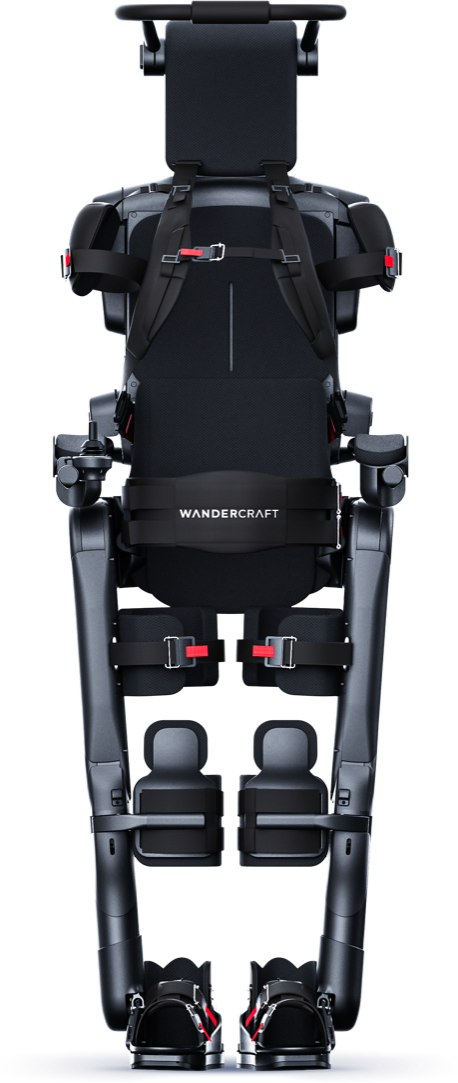
Eve ist ein selbstbalancierendes persönliches Exoskelett für den Alltag. Es ermöglicht es Ihnen, aufzustehen und freihändig zu gehen – ohne Krücken, ohne Rollator –, sodass Sie sich im Stehen drehen, nach Dingen greifen und Ihre Hände nutzen können: an der Küchenarbeitsplatte stehen, sich auf Augenhöhe unterhalten, zum Waschbecken im Bad gelangen. Da Eve sich selbst balanciert, ist aufrechte Selbstständigkeit auch ohne Rumpfkontrolle möglich – in Anwesenheit einer geschulten Begleitperson. Eve ist als Ergänzung zu Ihrem Rollstuhl konzipiert, nicht als Ersatz.
Eve ist für Erwachsene ab 18 Jahren mit Rückenmarksverletzung bestimmt – unabhängig von der neurologischen Läsionshöhe –, die Eve mit der Fernsteuerung bedienen und eine stehende Position tolerieren können. Es gibt zudem körperliche Grenzen, denn Eve wird an Ihre Maße angepasst: bis 100 kg (220 lb) und 1,94 m (6 ft 4 in), innerhalb festgelegter Bereiche für Oberschenkellänge, Beinlänge, Beckenbreite und Gelenkbeweglichkeit. Eve ist ein verschreibungspflichtiges Gerät; die endgültige Entscheidung trifft daher stets die zugelassene Fachkraft, die es nach einer individuellen Beurteilung verschreibt.
Ja. Eve ist unter K260381 von der FDA für Erwachsene mit Rückenmarksverletzung zugelassen – unabhängig von der neurologischen Läsionshöhe. Es ist ein Medizinprodukt der Klasse II und ausschließlich auf Rezept erhältlich; die Verschreibung muss daher durch eine zugelassene Fachkraft im Gesundheitswesen erfolgen. Eve ist in den Vereinigten Staaten ab dem 17. September 2026 im Handel erhältlich. Weitere Regionen folgen.
Ja, immer. Eve wird in Anwesenheit einer geschulten Begleitperson verwendet, die gemeinsam mit Ihnen geschult und zertifiziert wird und die während des Gehens in Reichweite bleibt. Ihre Begleitperson hilft Ihnen auch, das Gerät sicher zu verlassen, falls etwas nicht wie vorgesehen verläuft. Auch Begleitpersonen werden beurteilt – einschließlich eines körperlichen Tests, der zeigt, dass sie das Gerät halten können, wenn Sie das Gleichgewicht verlieren.
Auf ebenen Flächen in Innenräumen sowie auf ebenen Flächen in Außenbereichen, die zu Ihrem Gebäude gehören: eine Veranda, ein Balkon, eine Terrasse, ein Innenhof. Der Untergrund muss fest, trocken und glatt sein – Fliesen oder andere glatte harte Bodenbeläge, kurzfloriger Teppich oder Beton in diesen Außenbereichen. Eve ist nicht für Treppen, Steigungen oder Rampen einschließlich abgesenkter Bordsteine nach ADA, nassen oder vereisten Untergrund, Menschenmengen, Parkplätze oder Fahrbahnen bestimmt und ist nicht für den Sport vorgesehen. Eve darf niemals zum Überqueren einer öffentlichen Straße verwendet werden, da die Gehgeschwindigkeit dafür zu langsam ist, um sicher zu sein.
Sie und Ihre Begleitperson werden gemeinsam geschult und gemeinsam zertifiziert – nach einer klinischen Untersuchung und einer individuellen Anpassung. Das Programm umfasst fünf Sitzungen à etwa zwei Stunden, geleitet von zertifizierten Trainern und mit einer Mischung aus Erklärung und praktischer Übung. Es behandelt Transfers, die Bedienung der Fernsteuerung, das Gehen auf ebenen Flächen, Alltagsaktivitäten sowie Sicherheits- und Notfallverfahren und endet mit einer Prüfung, die sowohl den normalen Gebrauch als auch Notfälle abdeckt. Es kann in nur einer Woche absolviert oder auf etwa 30 Tage verteilt werden.

Das freihändige Exoskelett für die Rehabilitation von Patientinnen und Patienten weltweit.
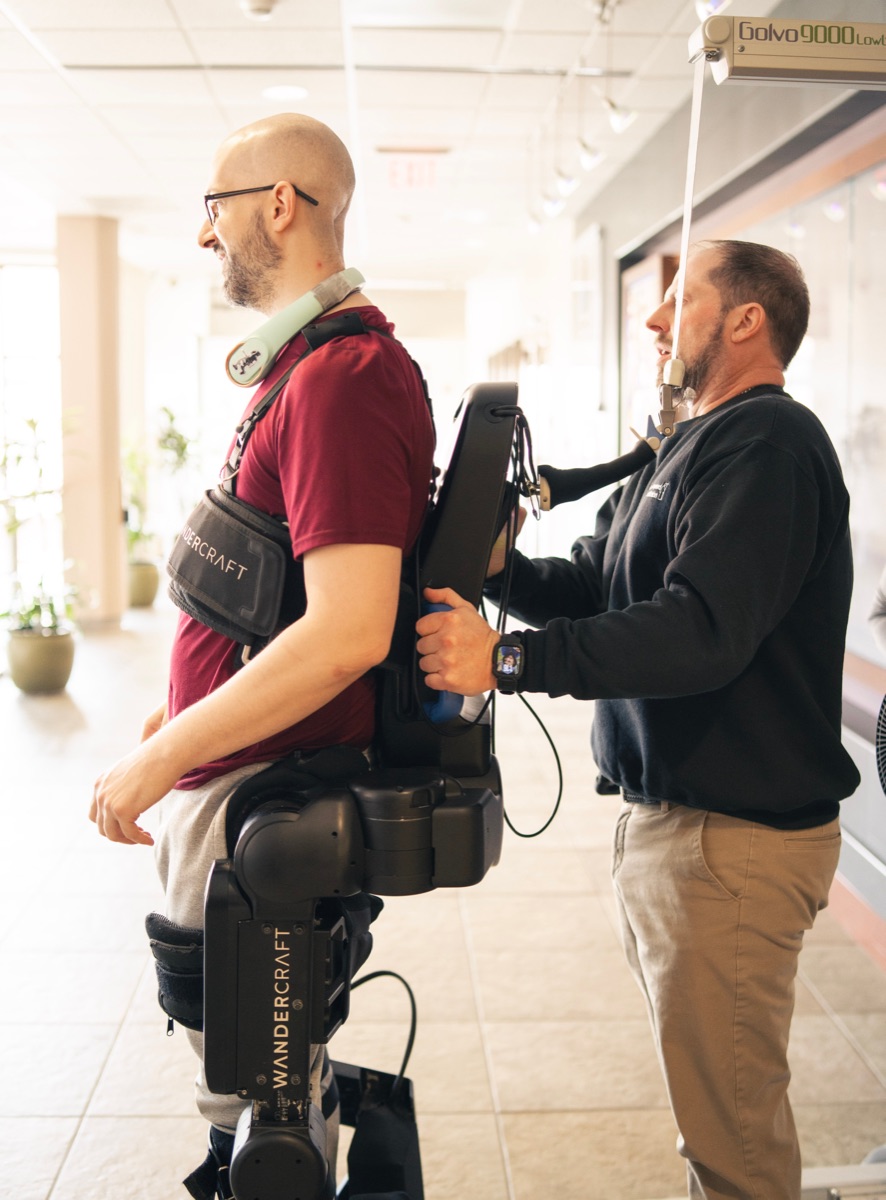
Ekso Bionics schließt sich Wandercraft an: zwei Pioniere vereint, um robotergestützte Mobilität voranzubringen und auszubauen
Pressemitteilung lesen