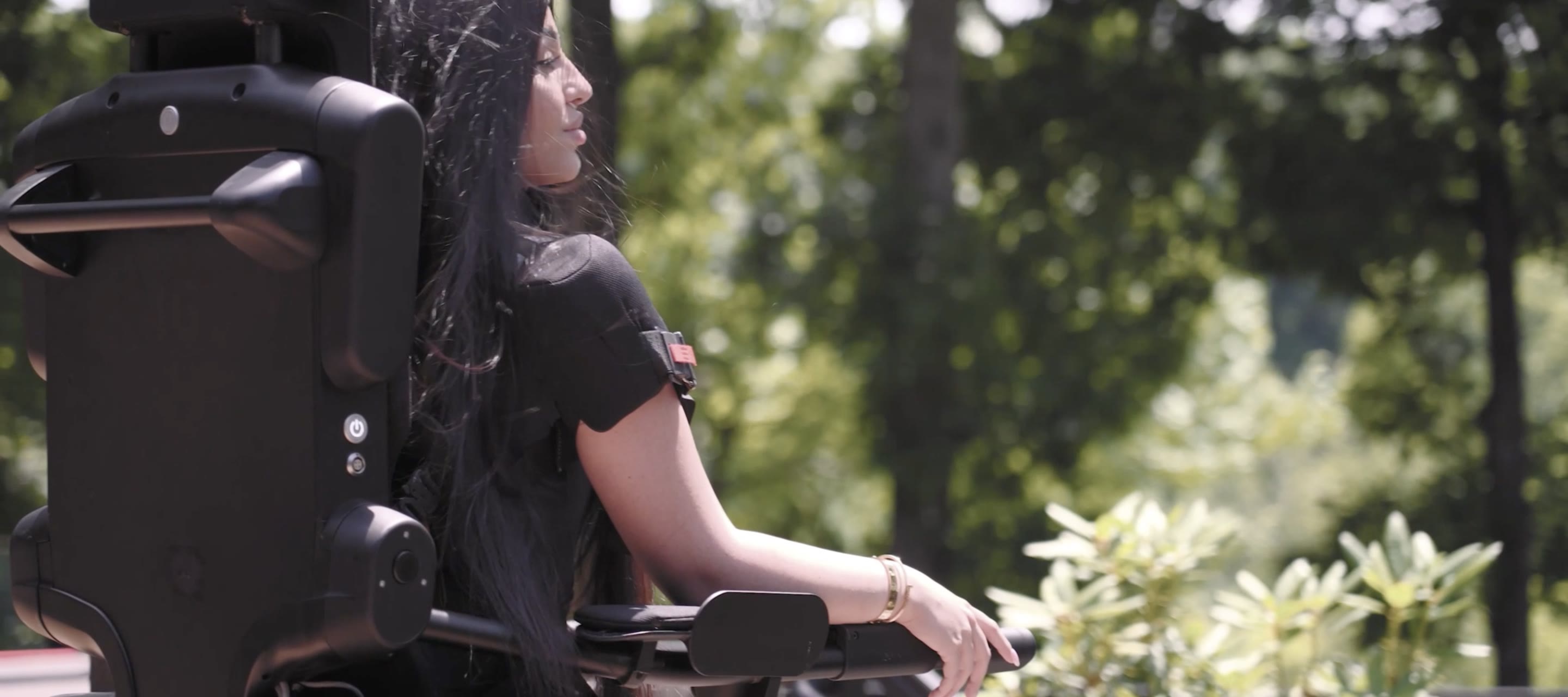
Robotik, die es Menschen ermöglicht, das zu tun, was sie nicht können
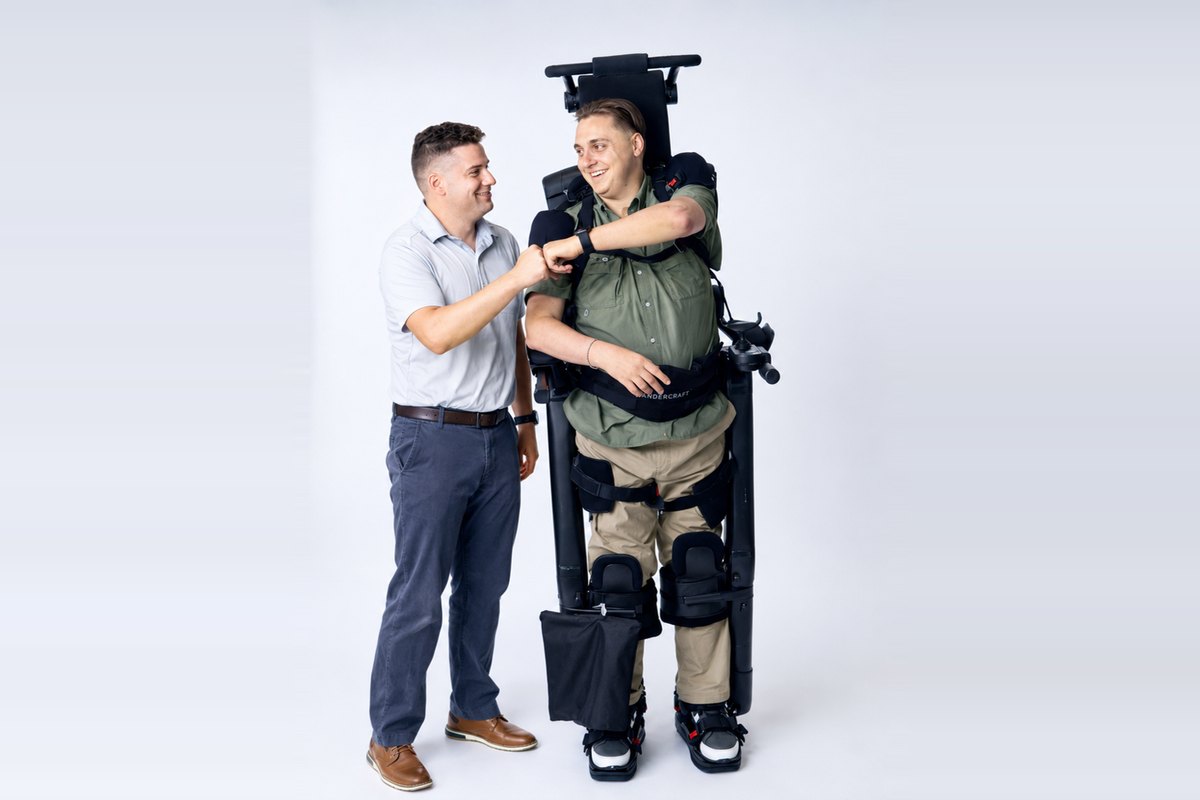
Am Anfang stand eine Frage, die einen jungen Ingenieur nicht mehr losließ. In einem Robotikclub an der Universität sah Nicolas Simon eine Maschine das Gehen lernen und dachte an seinen Bruder, der diese Fähigkeit gerade verlor. Wenn ein Roboter gehen kann, warum bauen wir dann nicht einen, der für ihn geht?
Wandercraft wurde 2012 in Paris gegründet, um sie zu beantworten – und die Antwort erforderte ein Jahrzehnt Entwicklungsarbeit: ein Exoskelett, das sich selbst balanciert, damit der Mensch darin es nicht tun muss. 2019 wurde Atalante das erste selbstbalancierende Gang-Exoskelett, das in Europa die CE-Kennzeichnung erhielt.
Dieselbe Technologie begleitet heute Menschen durch die Rehabilitation an mehr als 150 klinischen und Forschungsstandorten, zieht mit Eve aus der Klinik nach Hause und steckt in Calvin, unserer Familie humanoider Roboter für die schwersten Arbeiten in der Industrie. Drei Produkte, zwei Märkte, eine Überzeugung: Robotik sollte Menschen dabei helfen, das zu tun, was sie nicht können.
Dieselbe selbstbalancierende Technologie in drei Größenordnungen – vom klinischen Exoskelett bis zum humanoiden Roboter für die Fabrikhalle.
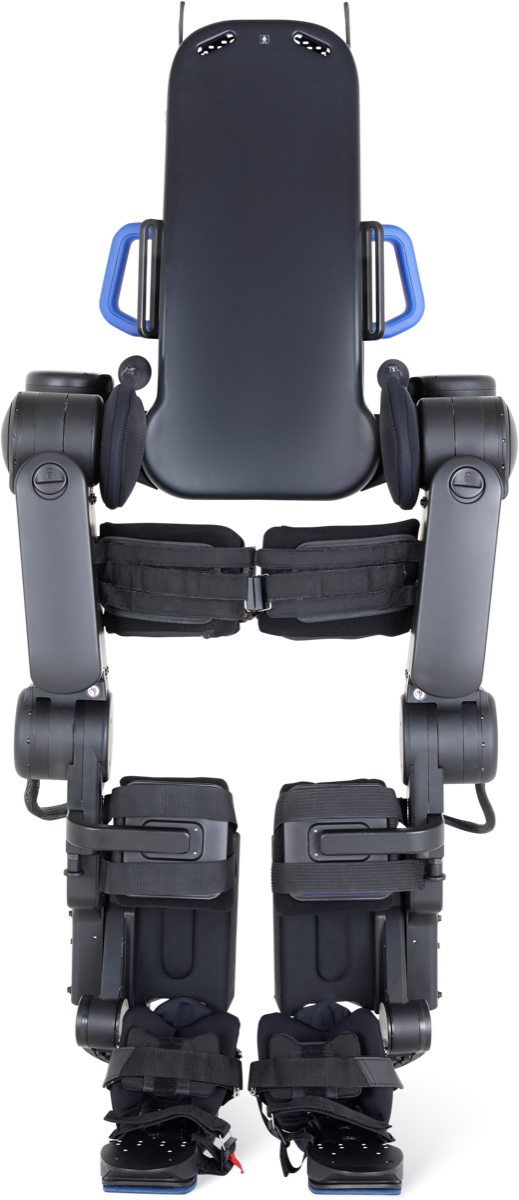
Unser klinisches Exoskelett, das Patienten in der Rehabilitation freihändig und ohne Gehhilfe gehen lässt.
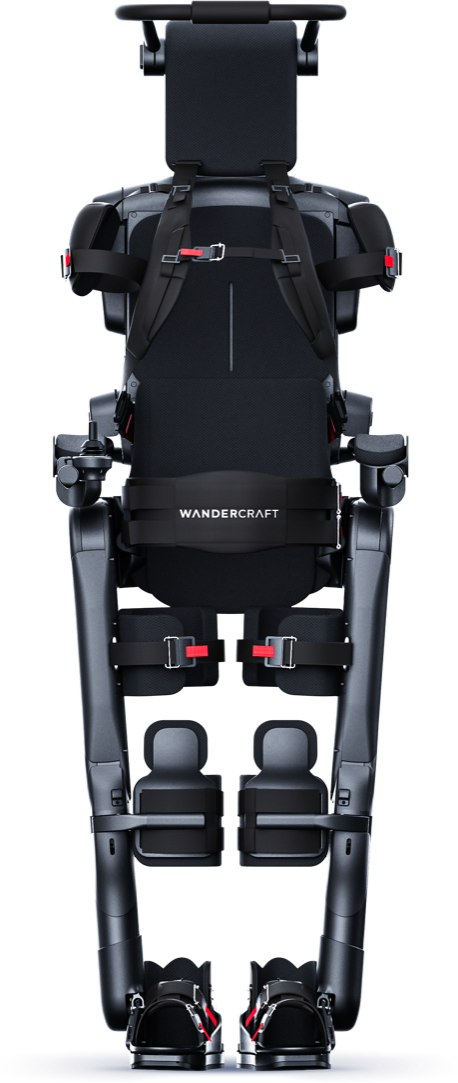
Unser persönliches Exoskelett – entwickelt, um die Klinik zu verlassen und mit dem Menschen nach Hause zu gehen, der damit geht.
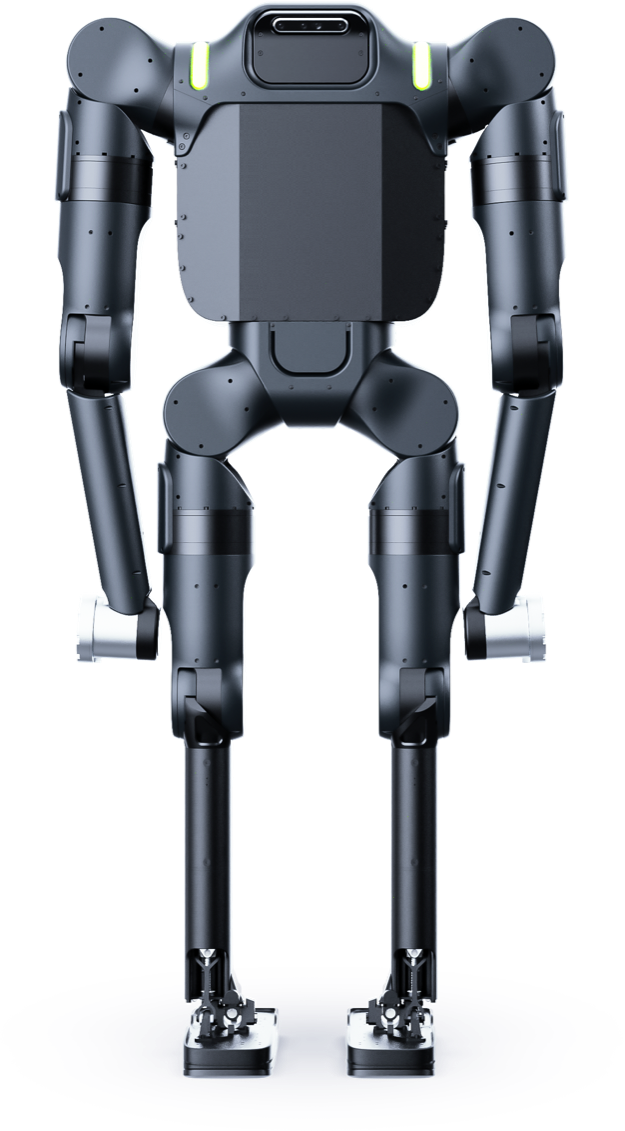
Unser humanoider Roboter, entwickelt für die schwersten und repetitivsten Arbeiten in der Produktionshalle.
Vierzehn Jahre, drei Roboter und eine Idee, die sich nicht abschütteln ließ. Scrollen Sie zur Seite, um ihr zu folgen.
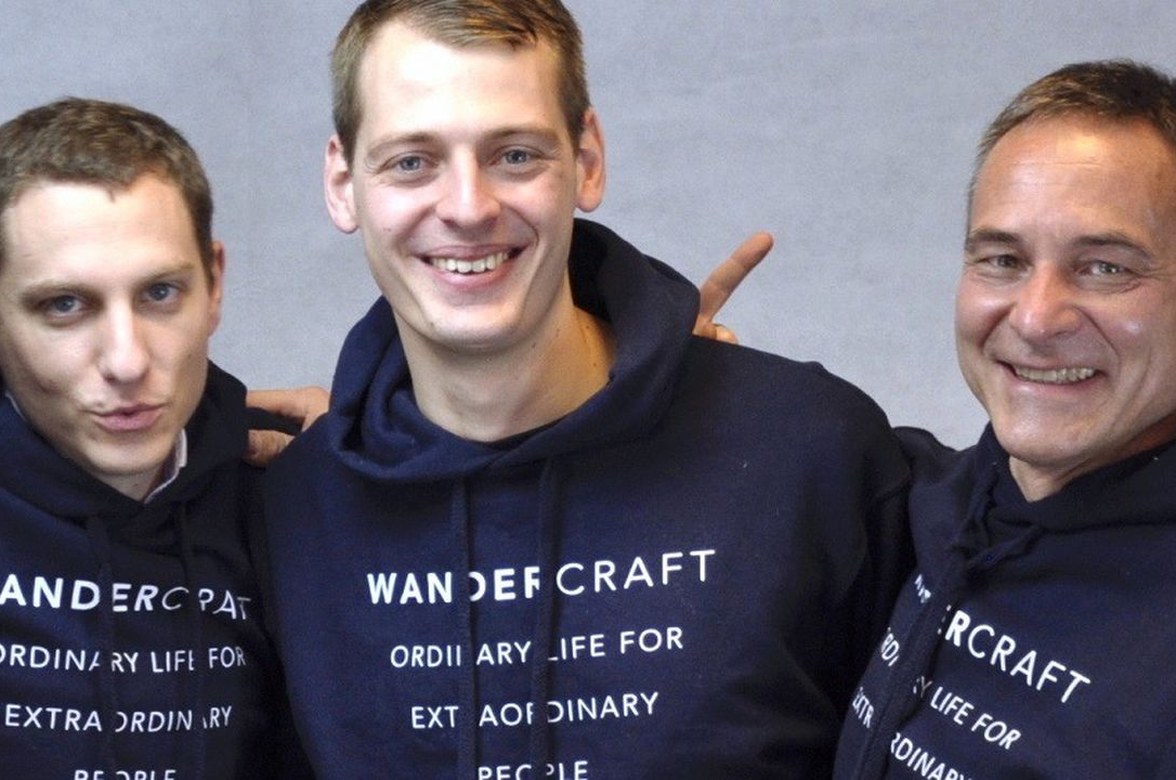
Nicolas Simon, Matthieu Masselin und Jean-Louis Constanza gründen Wandercraft in Paris – angetrieben von einem Bruder und einem Sohn, die ihre Gehfähigkeit verloren.
Die weltweit ersten klinischen Studien mit unseren Prototypen zeigen, dass Menschen mit Paraplegie freihändig und ohne Gehhilfe gehen können.
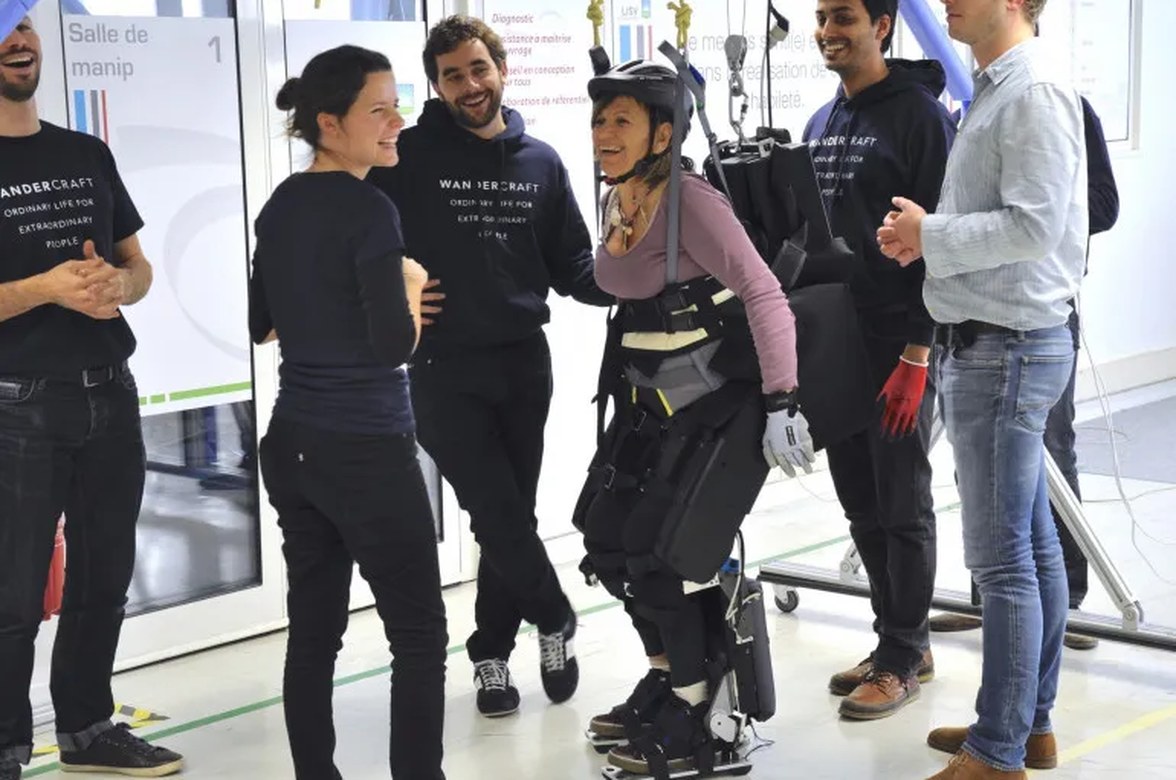
Das weltweit erste selbstbalancierende Exoskelett wird in Europa zugelassen – die ersten Patientinnen und Patienten gehen damit in Rehakliniken.

Atalante erhält die FDA-Zulassung für die Rehabilitation nach Schlaganfall und öffnet die Tür zu amerikanischen Kliniken – und im Folgejahr zum Aufbau unserer Aktivitäten in den USA.

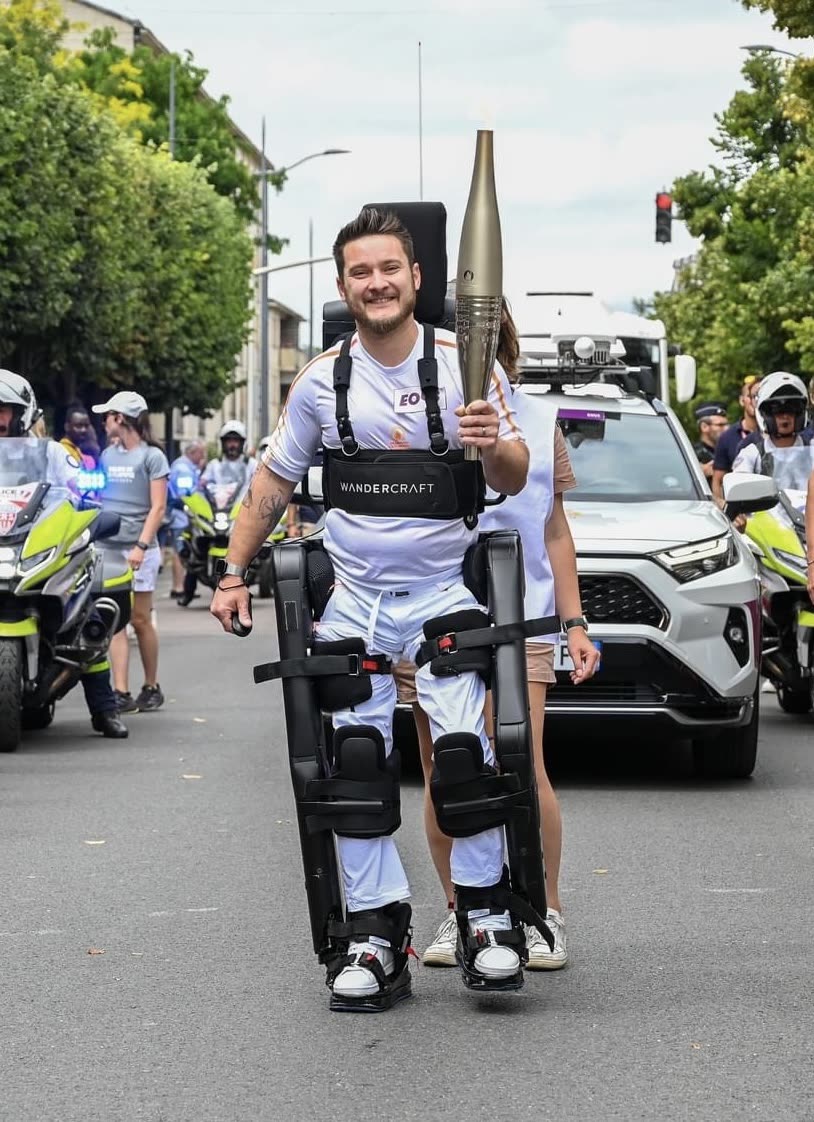
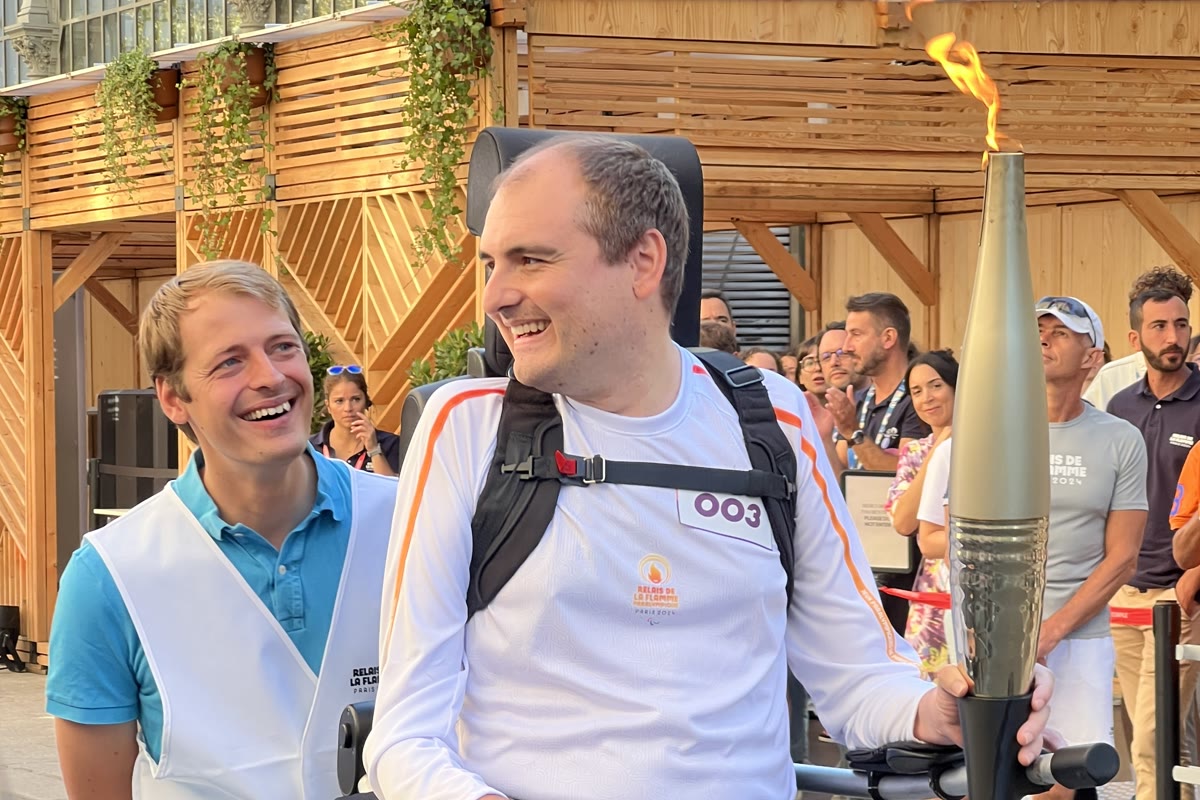
Bei Paris 2024 tragen unsere Exoskelette die olympische und die paralympische Fackel – darunter mit Thibault Simon, dem Bruder, mit dessen Geschichte alles begann.
Unser selbstbalancierendes persönliches Exoskelett startet in die klinischen Studien mit Menschen, die mit einer Rückenmarksverletzung leben – am Bronx VA und bei Kessler.
Renault Group beteiligt sich am Unternehmen und wird unser Industriepartner – begleitet von einer Series-D-Finanzierungsrunde, um die Produktion weltweit hochzufahren.
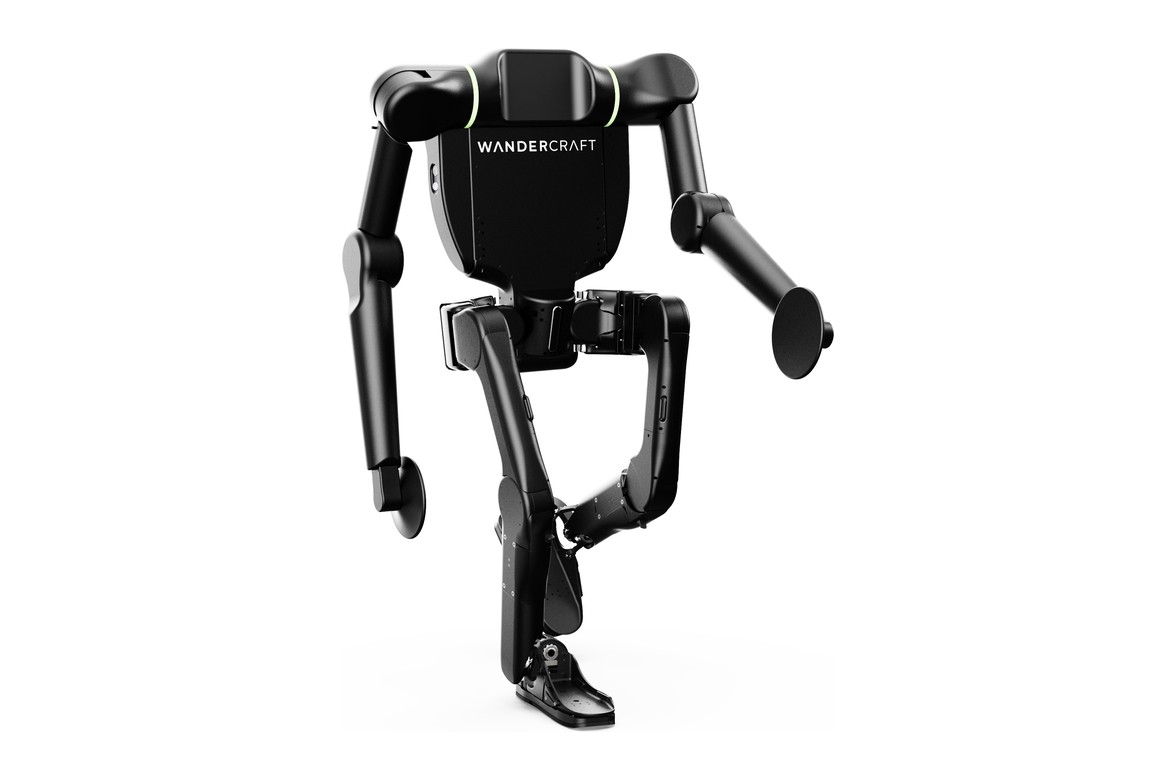
Auf mehr als einem Jahrzehnt Exoskelett-Entwicklung aufbauend, entsteht der erste Calvin-Prototyp in 40 Tagen. Calvin-40 wird vorgestellt – mit Renault Group als erstem Kunden.
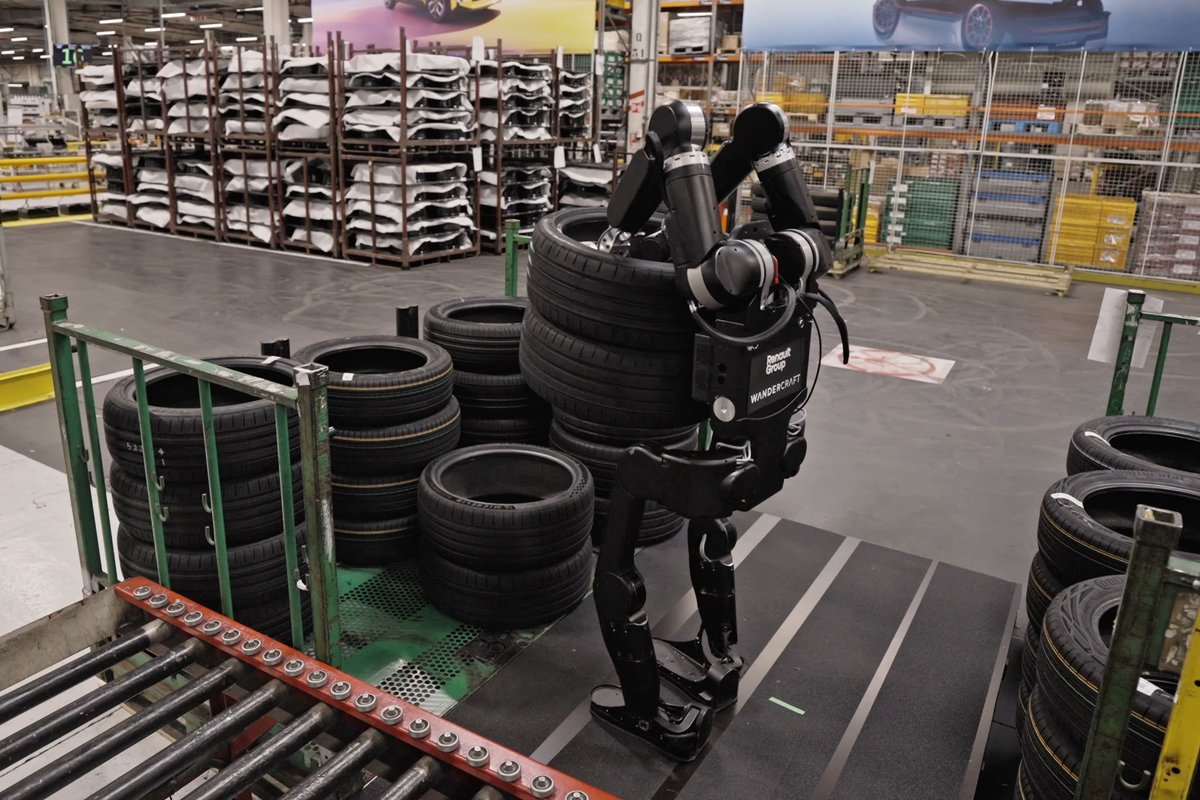
Calvin-40 ist an der Fertigungslinie im Renault-Werk Douai im Einsatz – bis 2027 ist eine Flotte von 350 Robotern zugesagt.
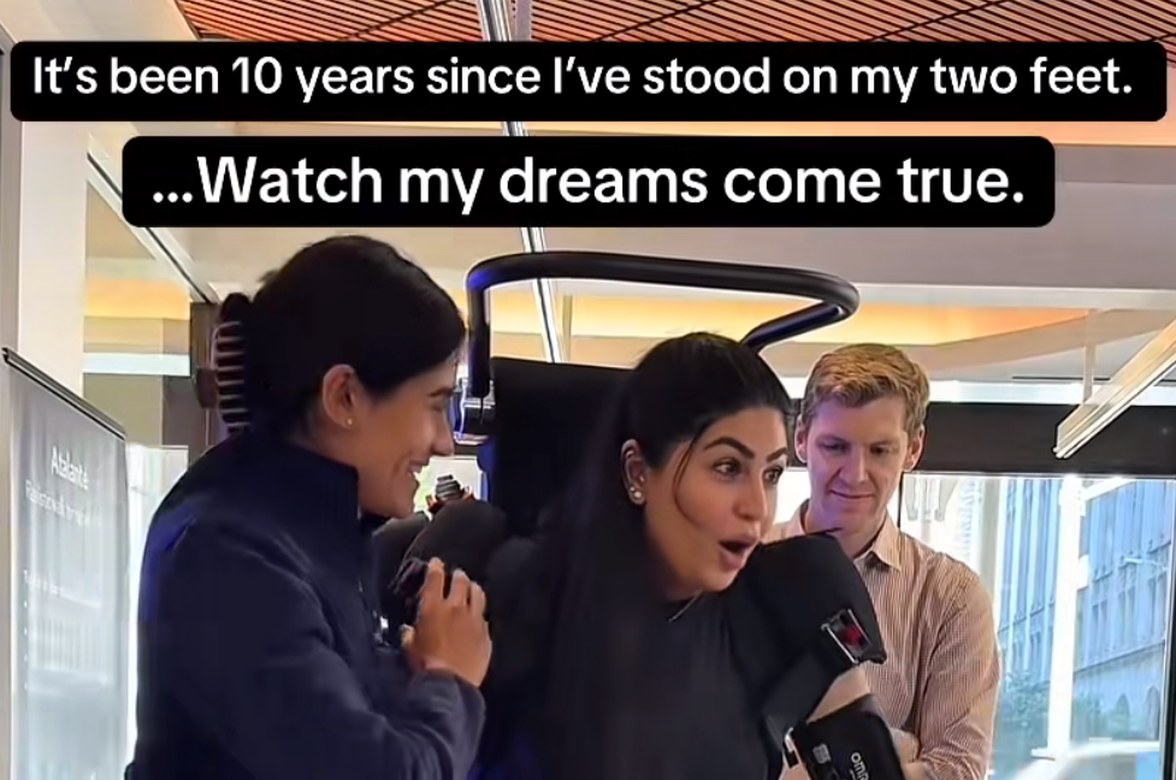
Eve wird das erste selbstbalancierende persönliche Exoskelett, das für die Nutzung zu Hause durch Menschen mit Rückenmarksverletzung zugelassen ist.
Mehr als 175 Weltklasse-Fachleute für KI, Robotik und Industrie – an unseren beiden Hauptsitzen in Paris und New York.














Wir stellen nicht einfach Menschen ein. Wir bauen ein Team aus Pionieren, neugierigen Köpfen und Problemlösern auf, die die Welt verändern wollen – Schritt für Schritt.
Bewerben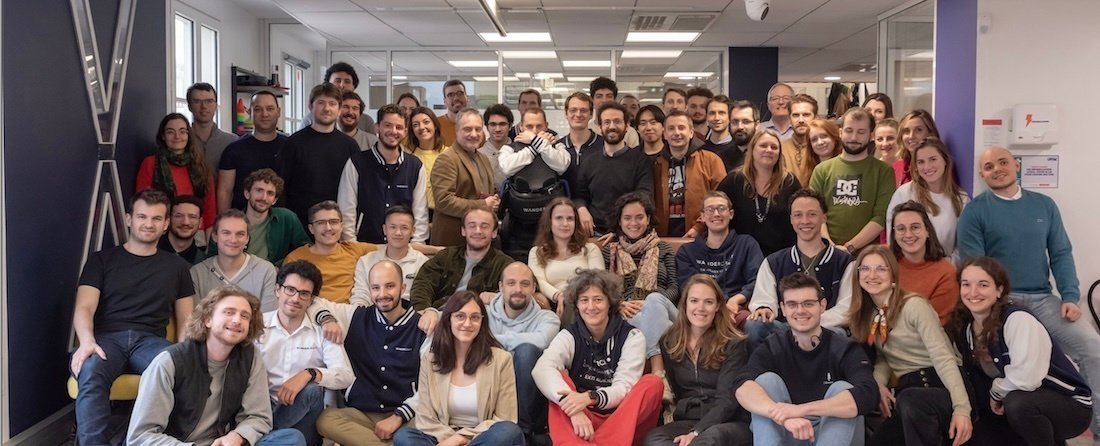
Unser Pariser Büro hat ein eigenes Gangschulzentrum, ein weiteres steht in New York City, und in den USA kommen weitere hinzu. Nutzerinnen und Nutzer trainieren hier jeden Tag im Haus – niemand muss sich also vorstellen, für wen diese Arbeit gedacht ist.
Ganzkörperregelung, eingebettete KI, zertifizierbare Sicherheit, Roboter, die Menschen tragen, und Roboter, die Lasten tragen – und eine Produktionslinie, die auf die Antwort wartet.
Unser interner Expert Track ermöglicht es Ingenieurinnen und Ingenieuren, sich in einem Spezialgebiet zu vertiefen, statt über Führungsaufgaben aufzusteigen. Seniorität bemisst sich hier nicht allein an der Zahl der Mitarbeitenden.
Paris und New York, bewusst zusammengehalten: firmenweite Events jedes Jahr und Zusagen zum Wohlbefinden, die wir tatsächlich schriftlich festhalten.
Gestalten Sie mit uns die nächste Generation der medizinischen und humanoiden Robotik – angetrieben von KI und einer klaren Mission.



Ekso Bionics schließt sich Wandercraft an: zwei Pioniere vereint, um robotergestützte Mobilität voranzubringen und auszubauen
Pressemitteilung lesen